Loading
Special case
I work alone, on large requests and short deadlines.
The product team I built with AI: twelve specialist agents in Claude Code. My bet: structured AI can extend what one person working alone delivers, without replacing human judgment. The system stops when the decision is mine and only counts a delivery as done with proof.
See the deliveries24days
for a full product, from discovery to publication: Nexo Quality, a concept project.
4days
from request to presenting a client’s new website as a navigable prototype.
12agents
specialists, from research to audit. Ten have already worked on real projects.
83days, 10 versions
to build the system through version 1.0, counted in calendar time, not hours of work.
Design, development and QA all land on me. AI helps, but without control it fails in expensive ways.
In testing, it spent past the ceiling, skipped mandatory steps and called work done without proof.
Existence is not evidence. Completion requires proof.
Sizing the process to each request and demanding proof for every delivery can help someone working alone meet short deadlines.
Three scales: a full product, a client site and the requests of this portfolio. The first two ran on versions before 1.0.
Deliveries
Full product
September 4 to 27, 2026 · 24 days
A concept project: an automotive quality platform with a fictional company and data. The agents worked from discovery to final QA, and I decided at every phase. The second round of the low-fidelity prototype came from Codex, another AI tool.
See the case: Nexo QualityOpen the product: Nexo Quality (opens in a new tab)
Client
August 27 to 31, 2026 · 4 days to the presentation
A high-fidelity navigable prototype of the new website of a housing builder. Presented in 4 days and approved by 3 Lírios after 4 weeks of adjustments. Version 1 is live.
See the case: 3 Lírios websiteOpen the site: 3 Lírios website (opens in a new tab)
On a phone, this demo scrolls inside itself. To keep going down the page, swipe on the area outside it.
Sair do aluguel · Investir · Imóveis financiáveis
Sua casa própria
começa aqui.
Imóveis para diferentes momentos e objetivos: seja para sair do aluguel, conquistar sua casa própria ou investir. Ajudamos você a entender as possibilidades de financiamento e encontrar uma opção que faça sentido para o seu momento e orçamento.
Gratuito, sem compromisso e sem consulta ao seu CPF.
Como funciona
Um caminho previsível até a primeira casa.
Imóveis à venda em destaque
Três começos possíveis, com o preço na frente.
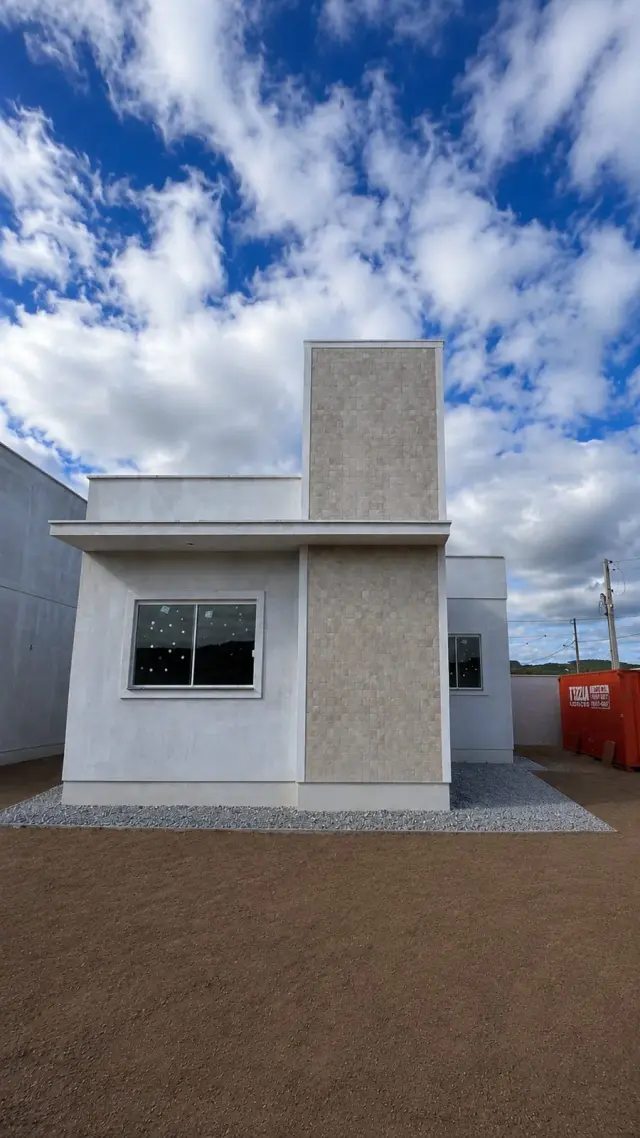
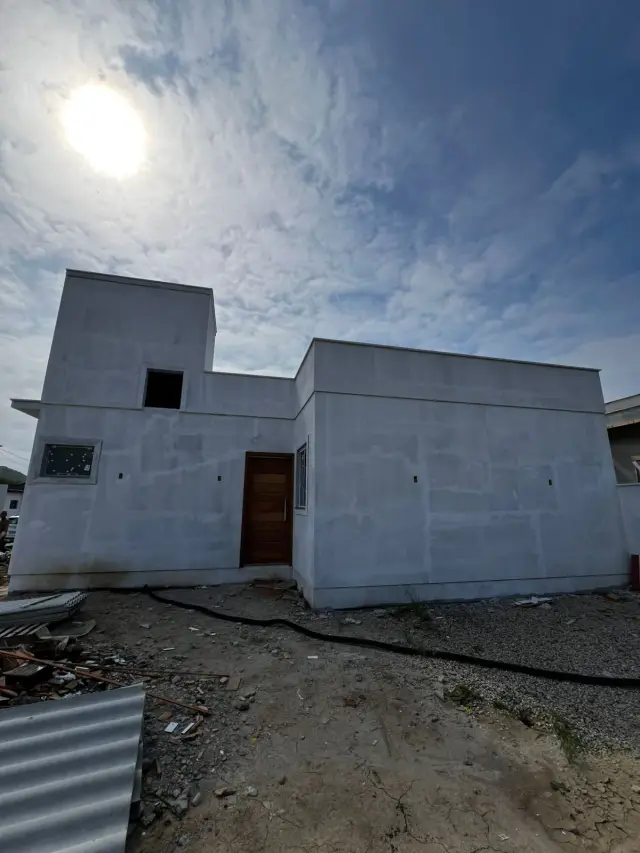
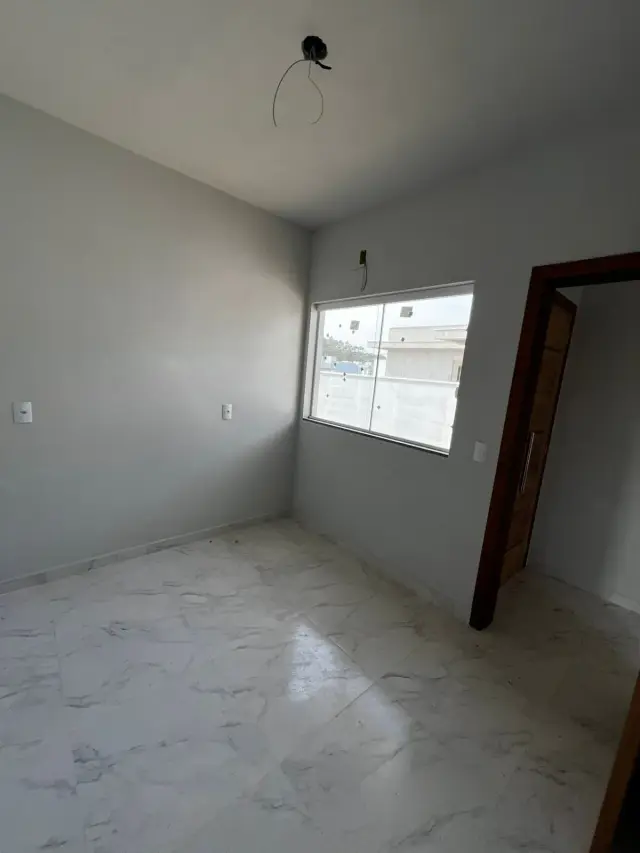
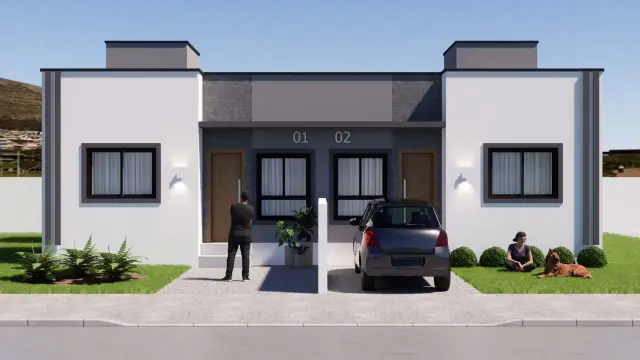
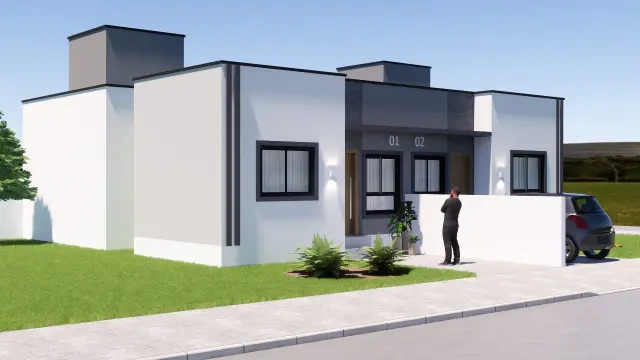
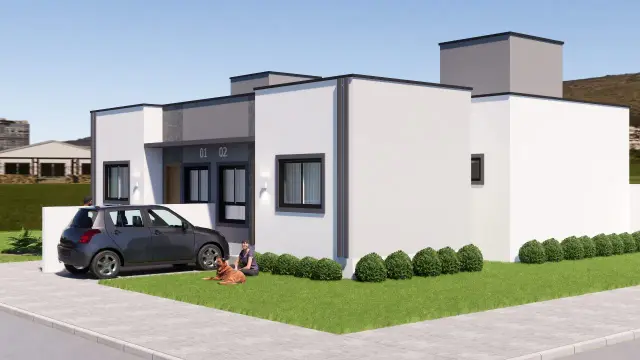
Financiamento Minha Casa Minha Vida
Feito para caber no seu orçamento.
Três coisas tornam a compra possível — e todas cabem no Minha Casa Minha Vida.
Feito para o Minha Casa Minha Vida
O programa cobre a maior parte do valor; você entra com uma fração.
Use seu FGTS
O saldo do seu FGTS pode compor a entrada ou abater parcelas.
Entrada facilitada
Condições de entrada parceladas, combinadas conforme o seu perfil.
Feito para o Minha Casa Minha Vida
O programa cobre a maior parte do valor; você entra com uma fração.
Use seu FGTS
O saldo do seu FGTS pode compor a entrada ou abater parcelas.
Entrada facilitada
Condições de entrada parceladas, combinadas conforme o seu perfil.
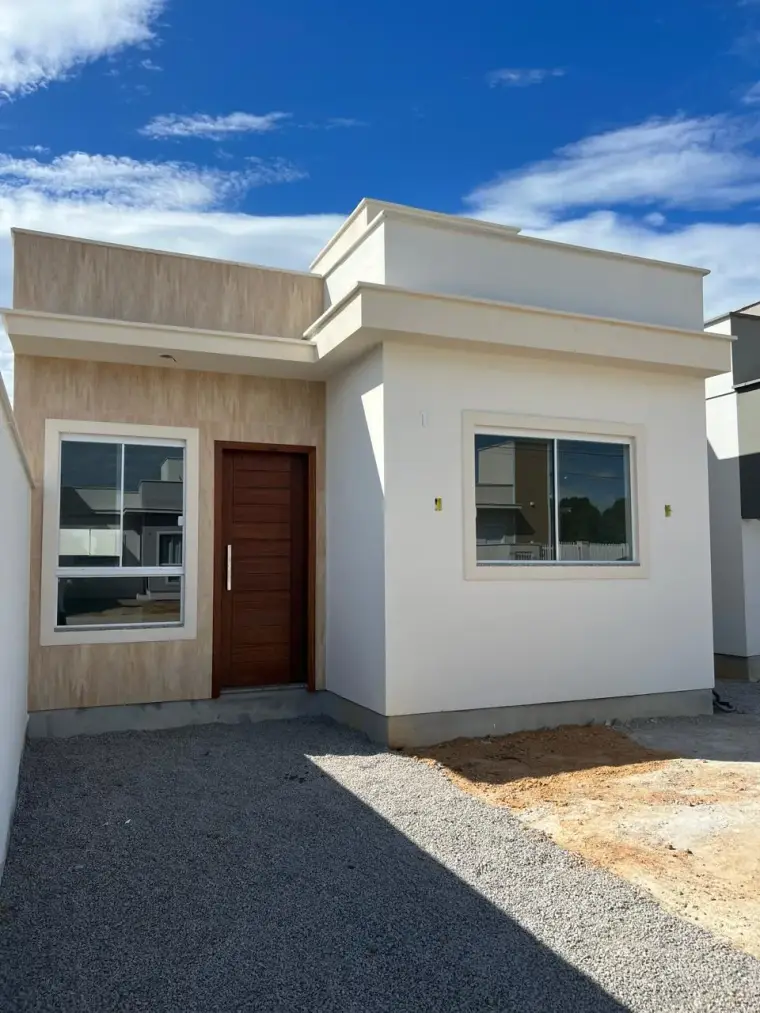
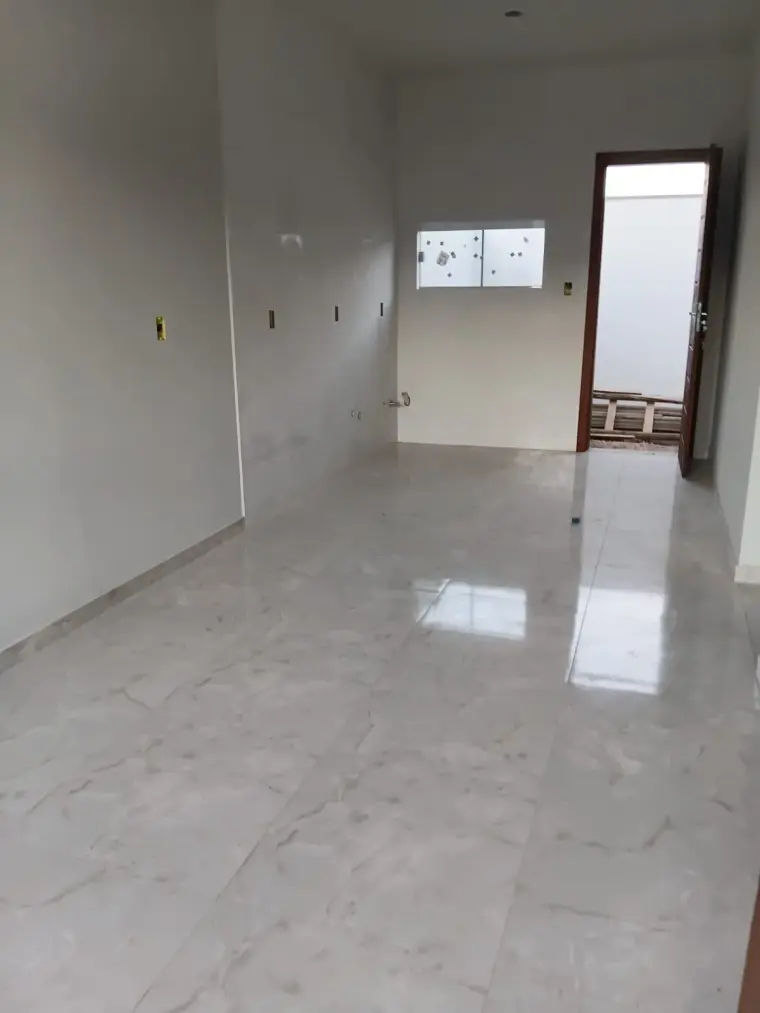
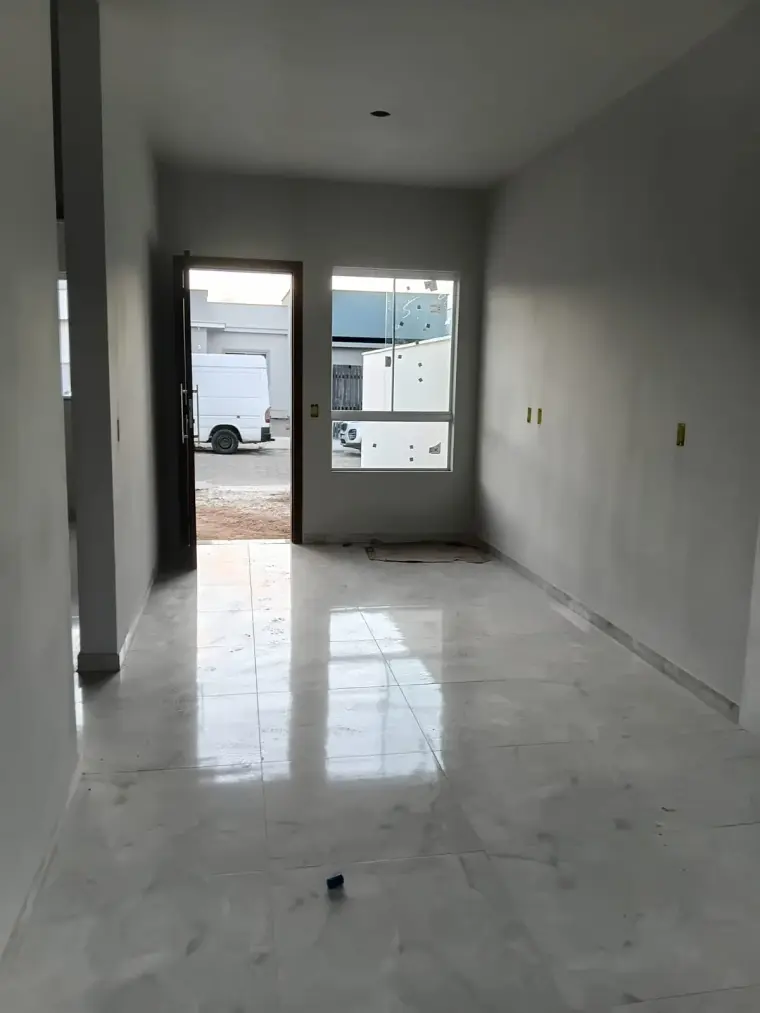
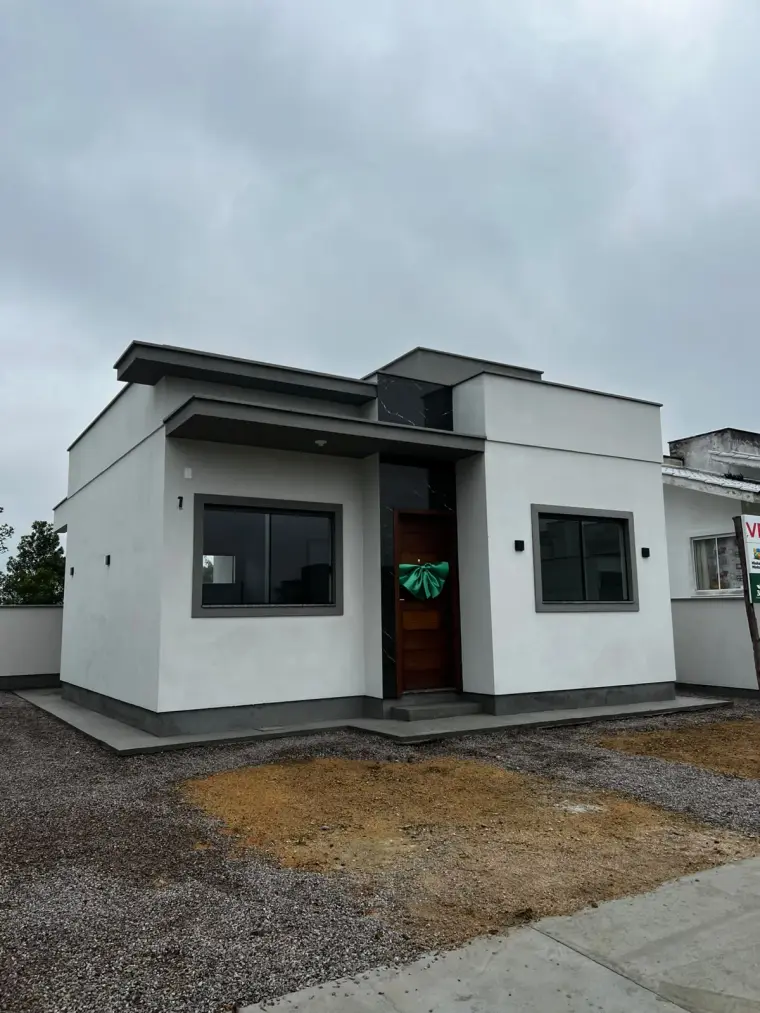
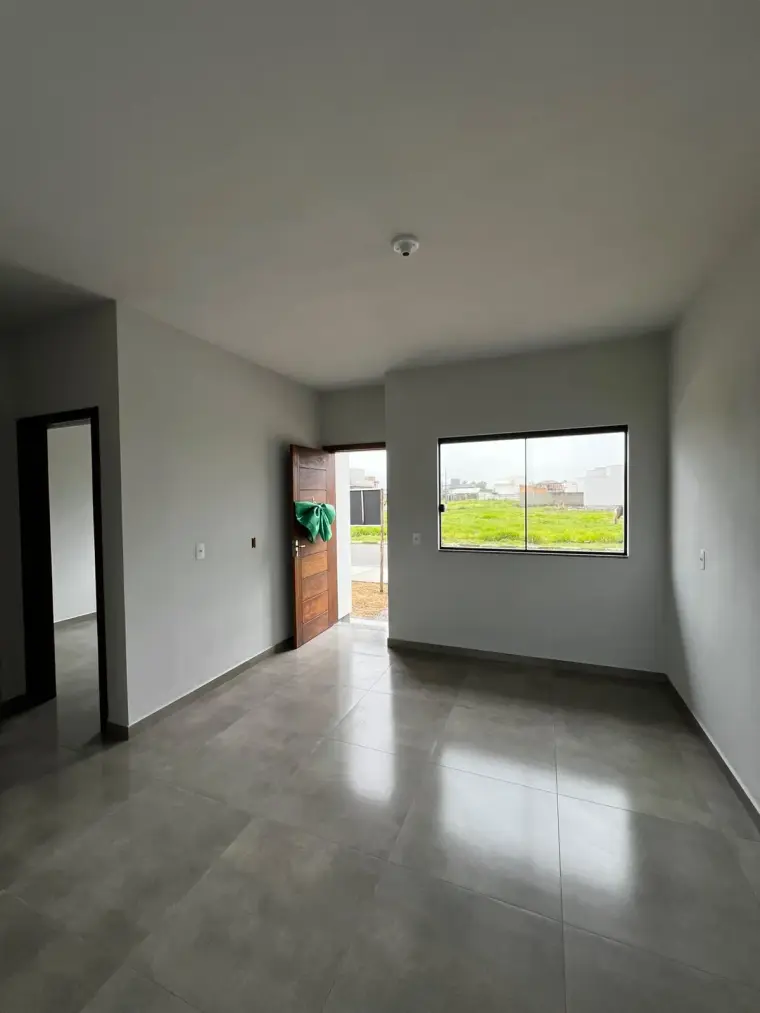
Imóveis entregues
Seu lar, sua história.
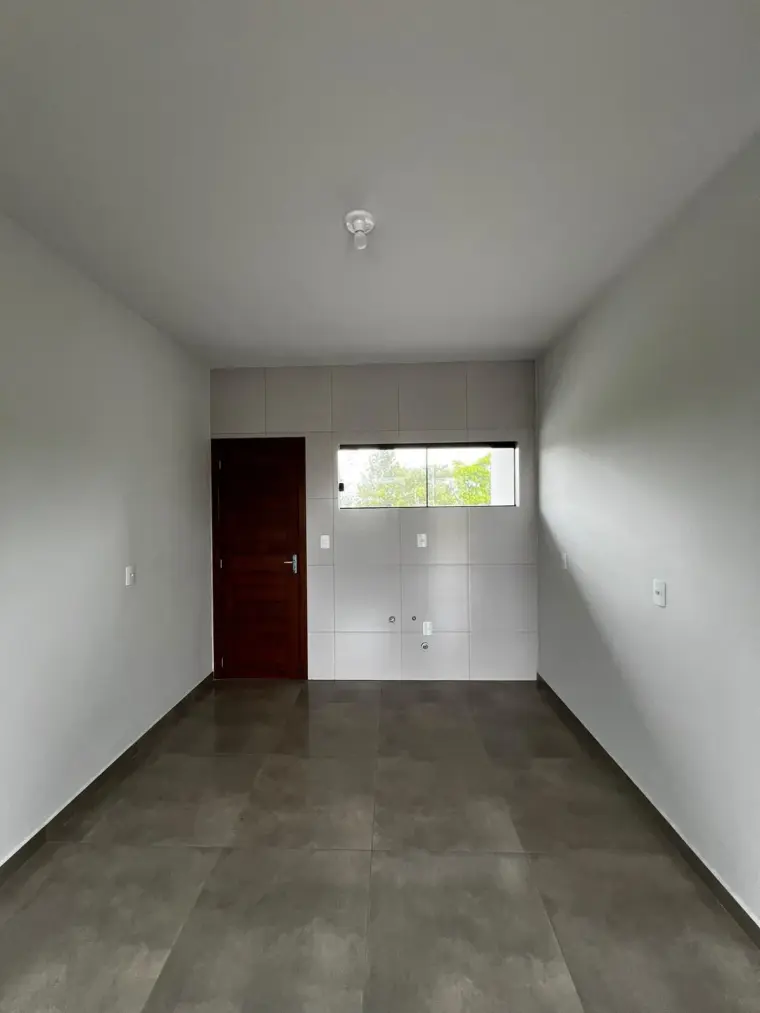
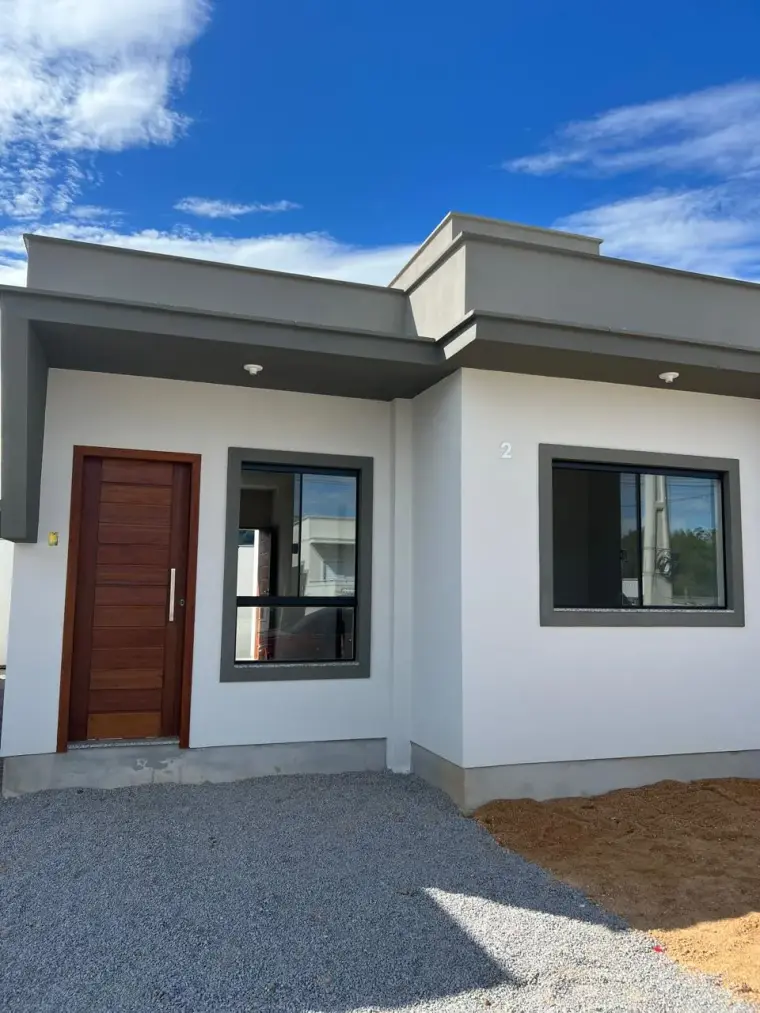
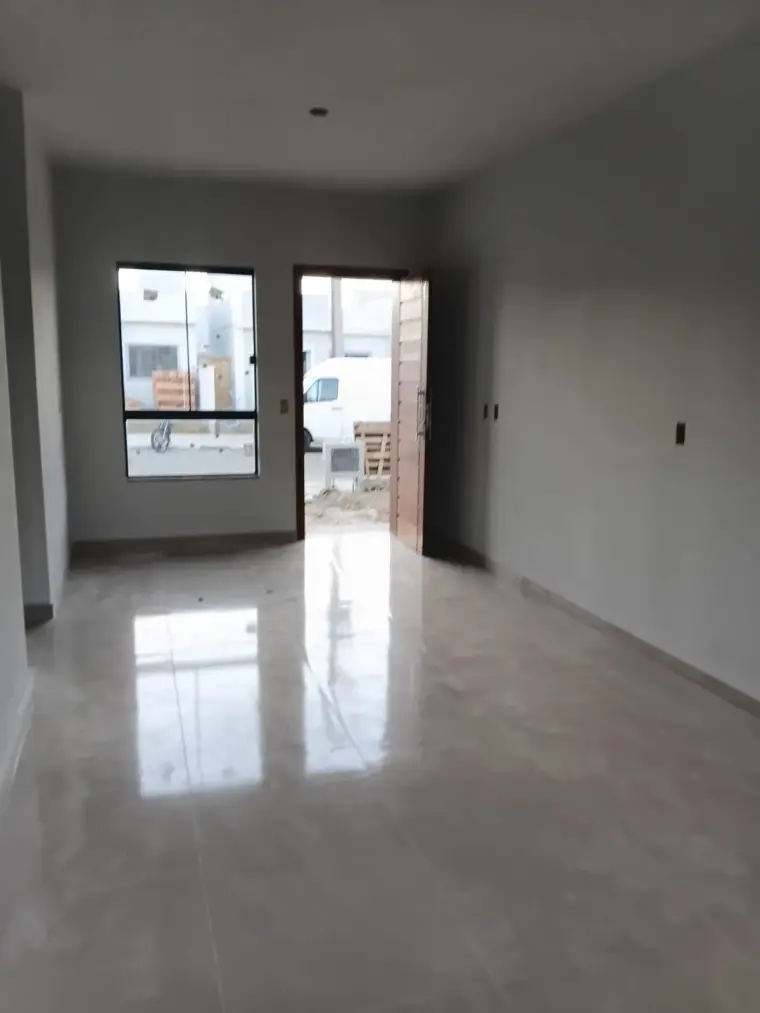
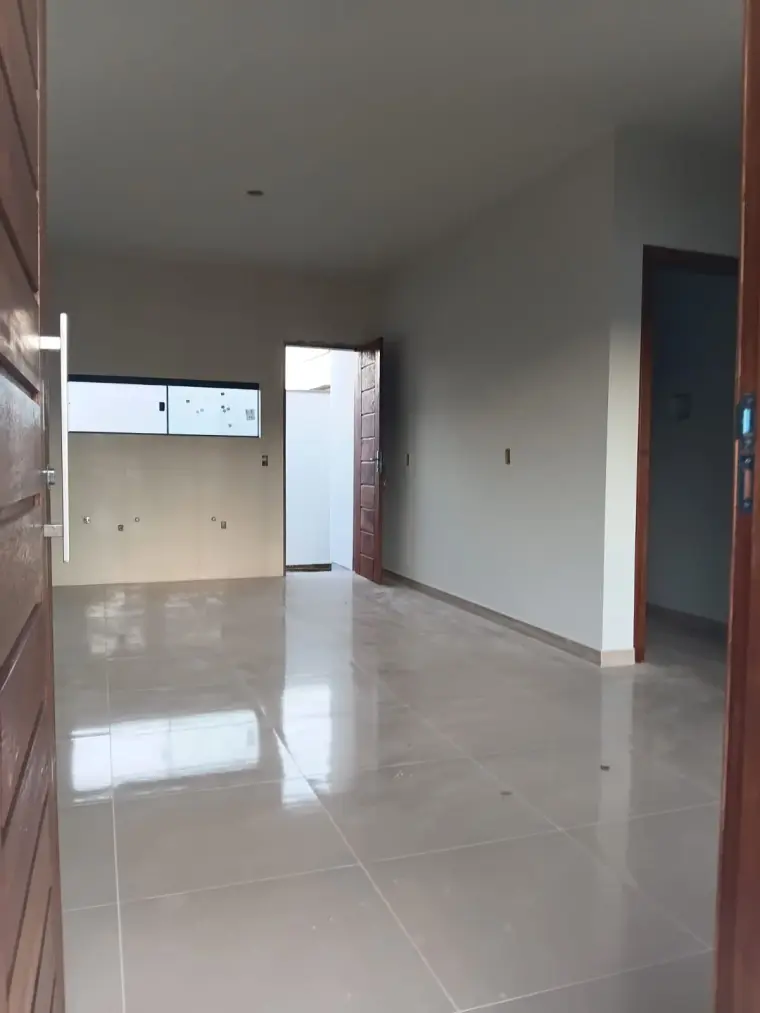
Sobre nós
Realizando o sonho da casa própria
Uma empresa que nasce com o objetivo de realizar o grande sonho da casa própria. Queremos que você também tenha sua casa para viver feliz e com muita saúde.
Cuidamos da qualidade de cada detalhe do seu patrimônio, sempre com atenção, responsabilidade e compromisso. Nossa equipe tem grande experiência no mercado e está ao seu lado do início ao fim. Acompanhamos cada etapa do processo, oferecendo atendimento próximo, orientação e suporte para que você tenha segurança e tranquilidade desde o primeiro contato até a entrega da sua casa.
Nosso compromisso é entregar no prazo, cuidar de cada detalhe e fazer com que a realização do seu sonho seja uma experiência segura e tranquila.
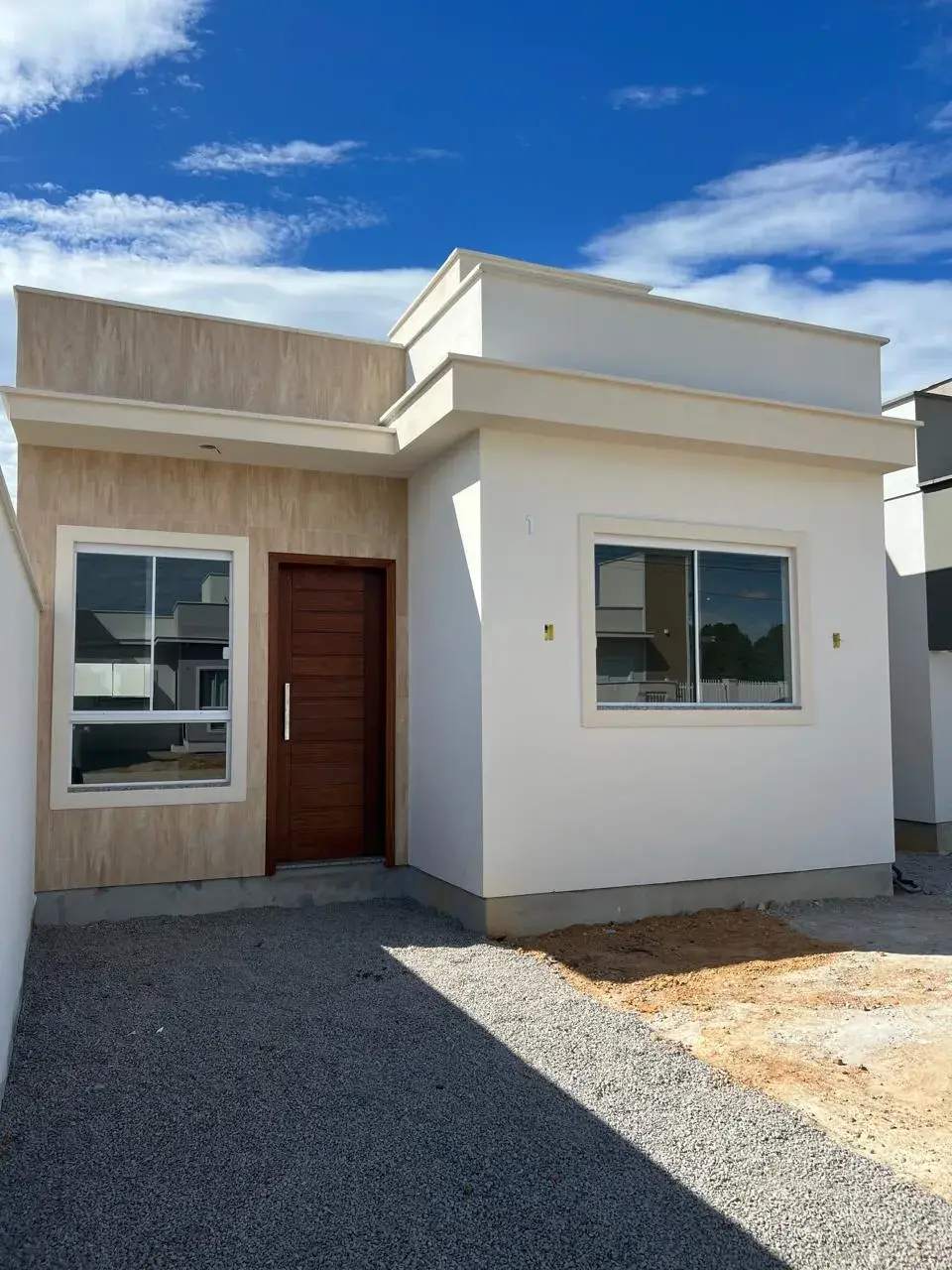
Depoimentos
Quem já mora, recomenda.
Histórias de quem realizou o sonho da casa própria com a 3 Lírios.
Eu achava que financiar era coisa complicada. A equipe explicou cada etapa e, em poucos meses, eu estava com a chave na mão.
Fizemos a pré-análise em minutos e já sabíamos até onde podíamos ir. Sem surpresa no meio do caminho.
A casa ficou do jeito que mostraram. Entrega no prazo e todo mundo atendeu com paciência.
Usei o FGTS na entrada e nem sabia que podia. Me explicaram tudo no WhatsApp, sem enrolação.
Meus filhos ganharam um quintal. Era o sonho que a gente adiava há anos.
Atendimento do começo ao fim. Sempre que eu tinha dúvida, alguém respondia rápido.
Saímos do aluguel com a parcela cabendo no orçamento. Valeu cada visita à obra.
Casa simples, bem-feita e com tudo no lugar. Recomendo para quem quer sossego.
Depoimentos de demonstração.
 Imagem ilustrativa
Escritório Virtual do Corretor
Tudo o que o corretor parceiro precisa, num lugar só.
Ferramentas, materiais e acompanhamento para você levar o cliente da primeira simulação até a entrega das chaves — sem burocracia.
Pré-análise na hora
Rode a simulação do cliente e mostre o valor financiável na mesma conversa.
Materiais de venda prontos
Plantas, tabelas de preço e peças de divulgação sempre atualizadas para enviar.
Acompanhe suas vendas
Propostas, reservas e comissões num painel único, do lançamento à entrega.
Time da 3 Lírios com você
Suporte direto em cada etapa do fechamento, com resposta rápida.
Fale com a gente
Prefere conversar agora? Chame no WhatsApp.
Imóveis à venda
Encontre o que combina com o seu momento.
7 imóveis em Capivari de Baixo, Pescaria Brava e Tubarão, todos financiáveis pelo Minha Casa Minha Vida. Filtre por cidade, faixa de valor, quartos e situação da obra.
Nenhum imóvel com esses filtros
Tente remover o filtro mais específico — como bairro ou faixa de valor.
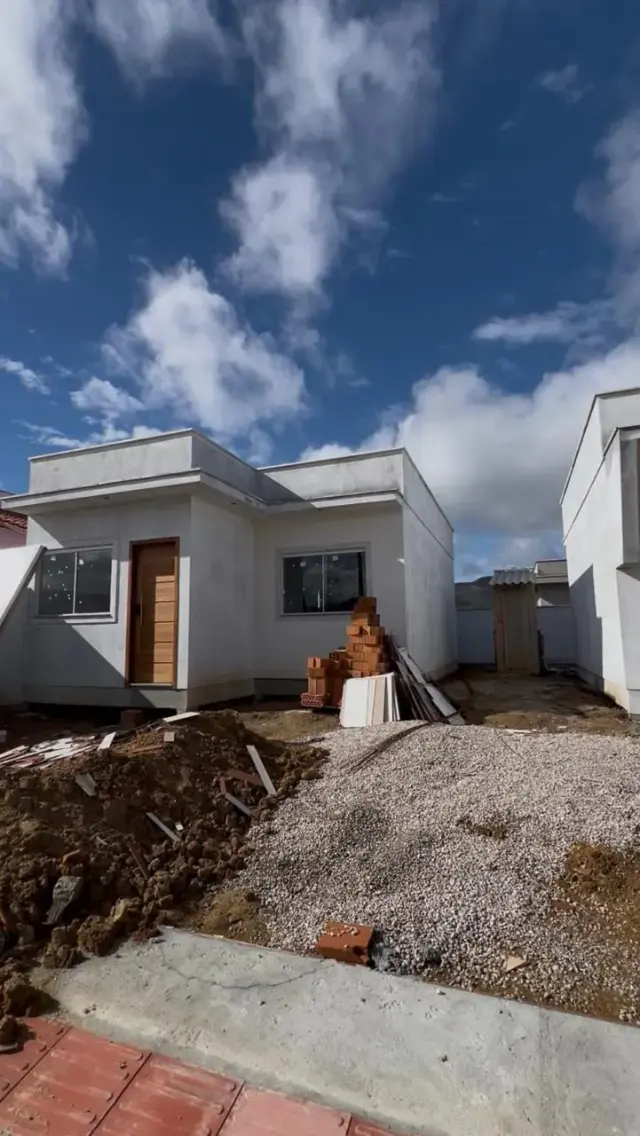
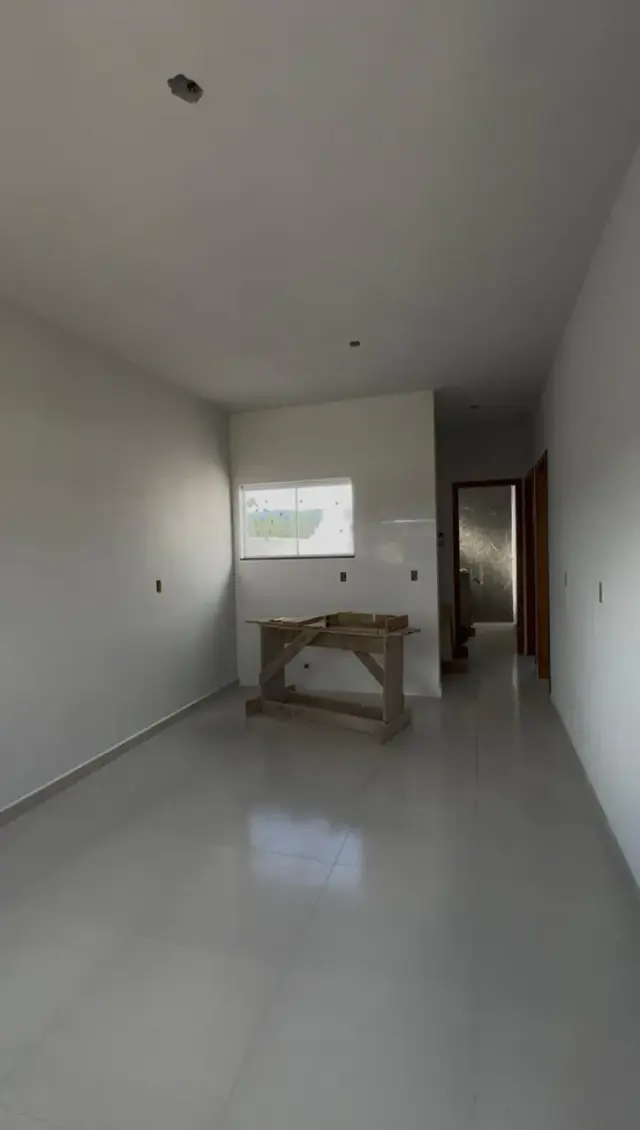
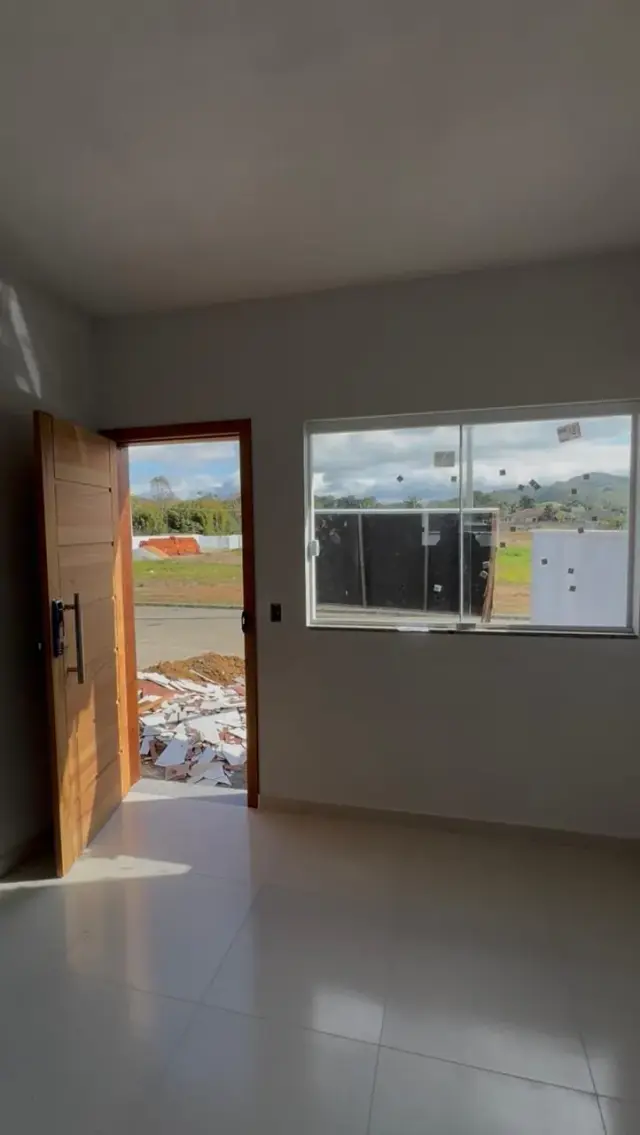
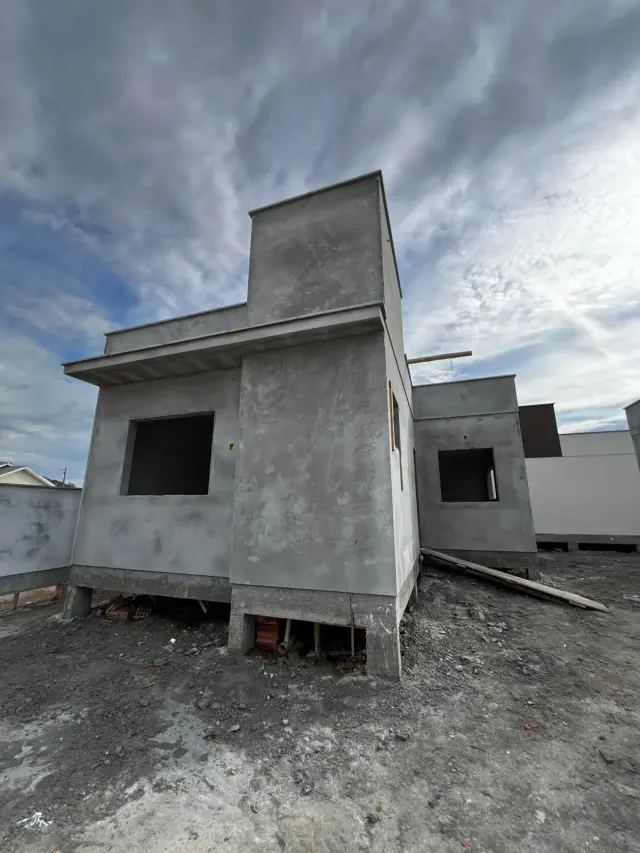
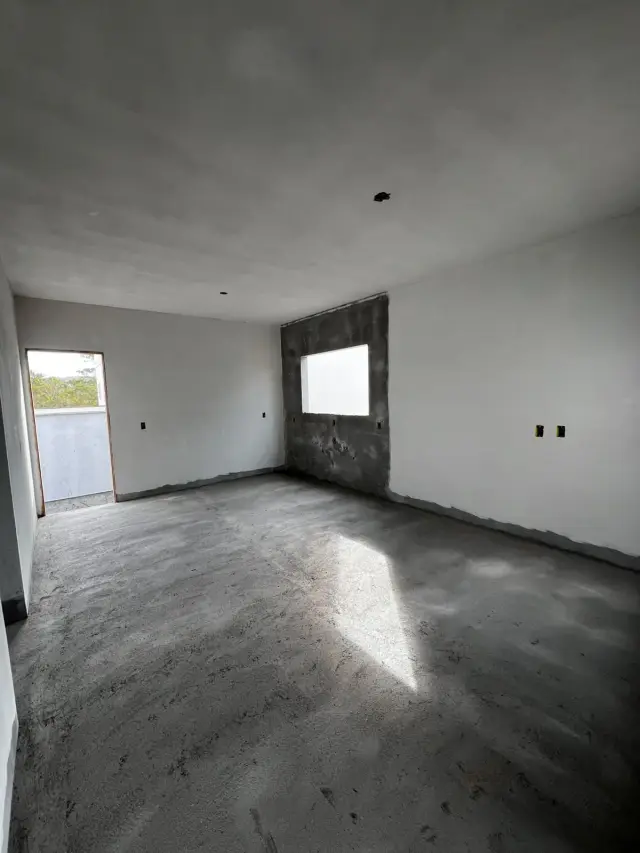
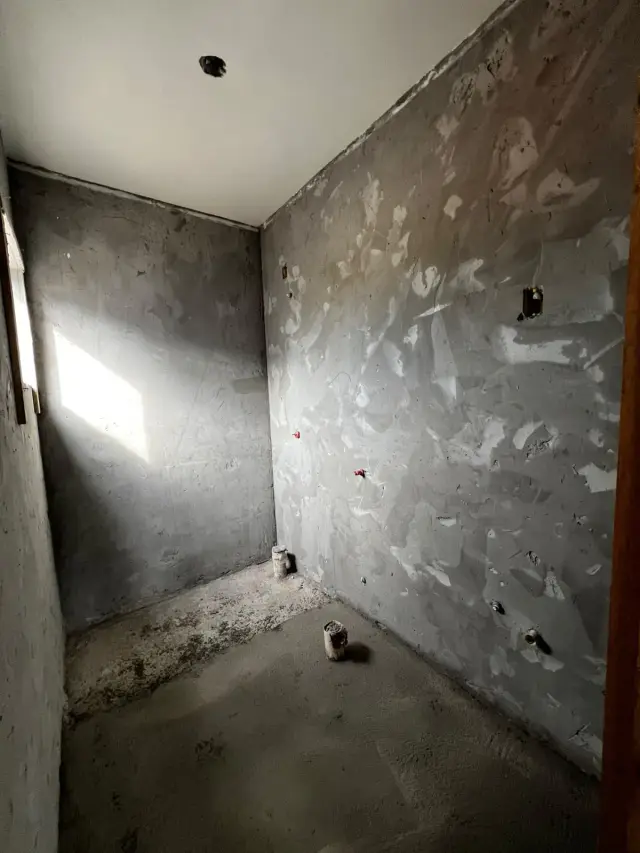
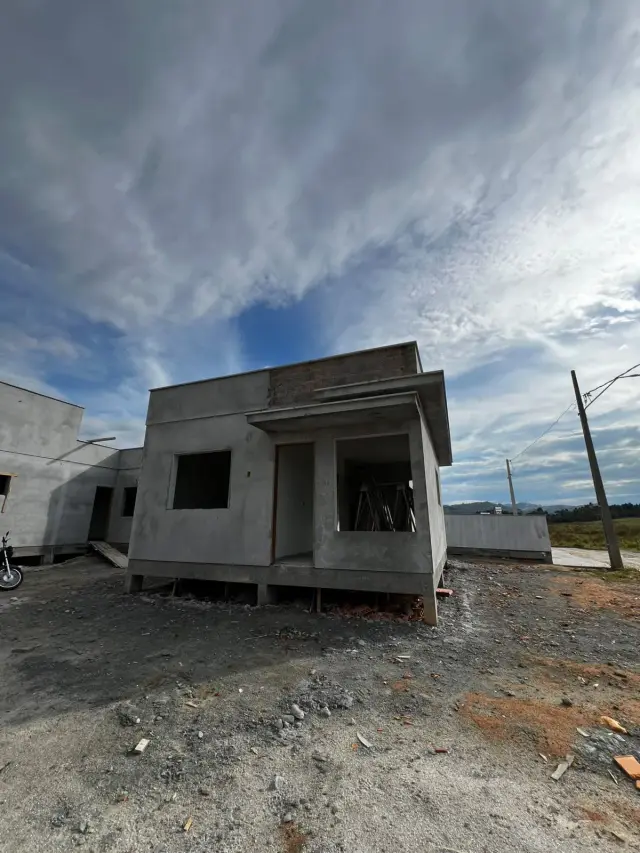
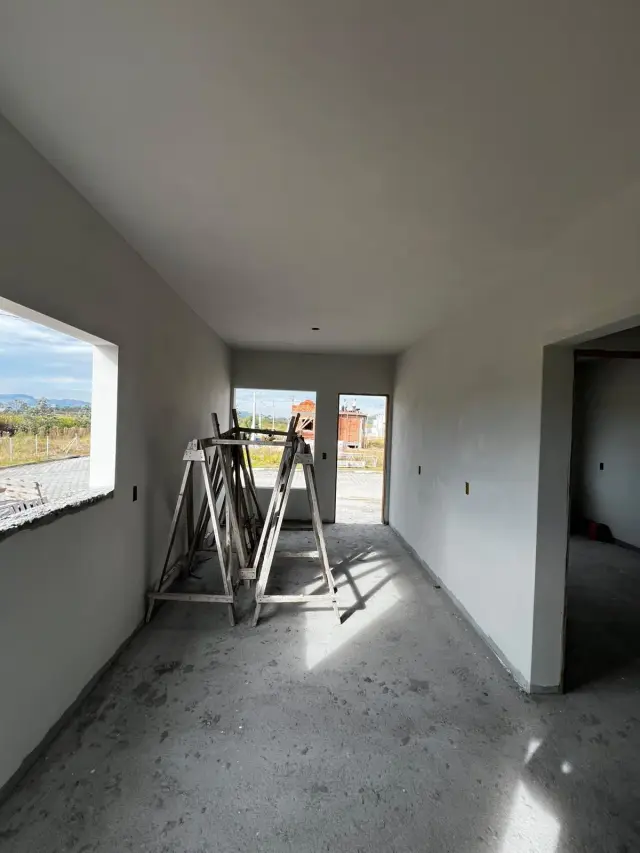
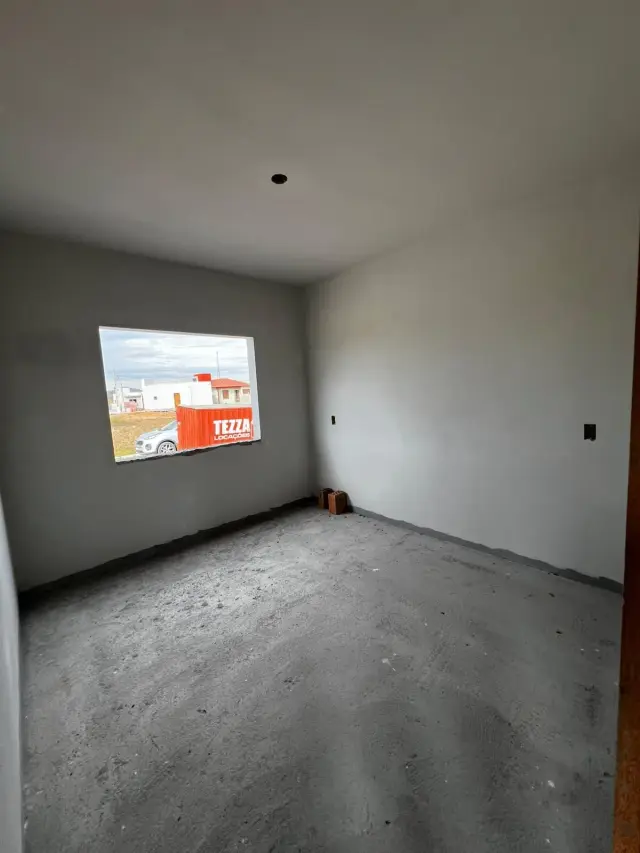
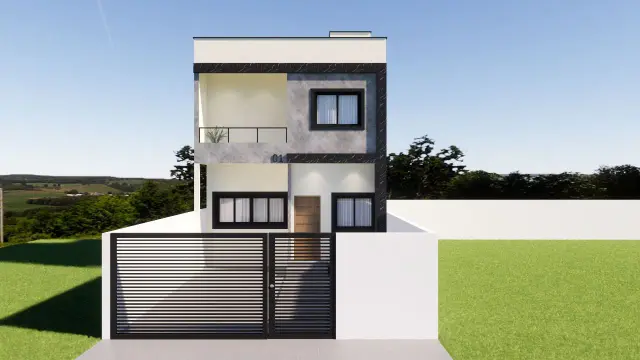
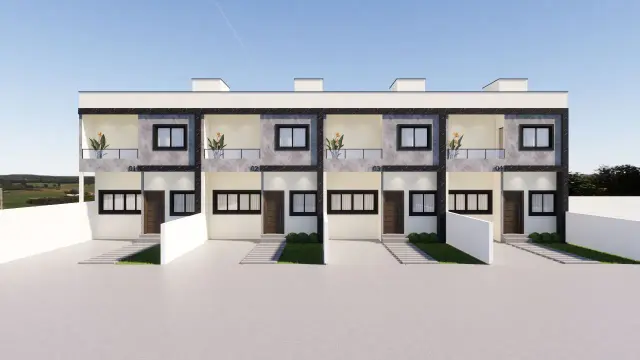
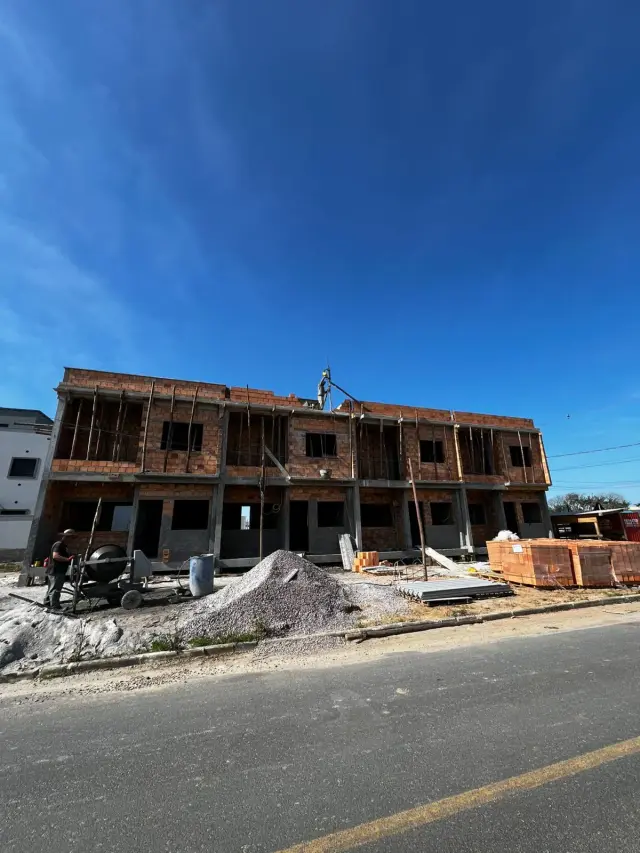
Não encontrou o ideal? A pré-análise indica o que combina com o seu perfil.
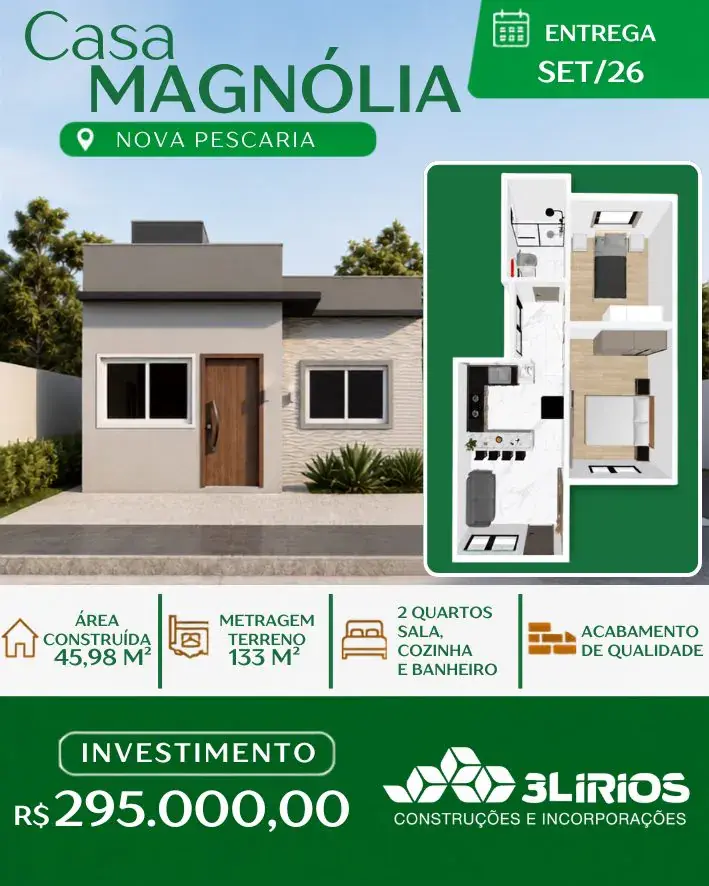
Casa Magnólia
Pescaria Brava — Nova Pescaria
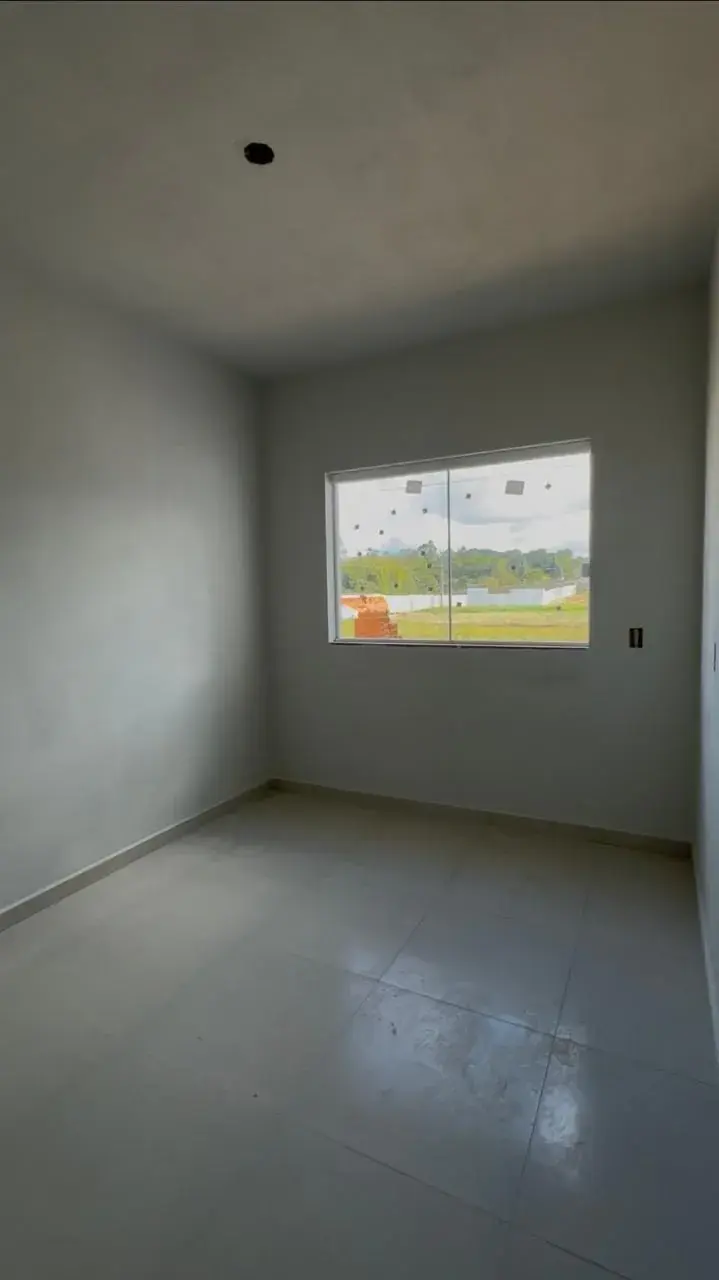
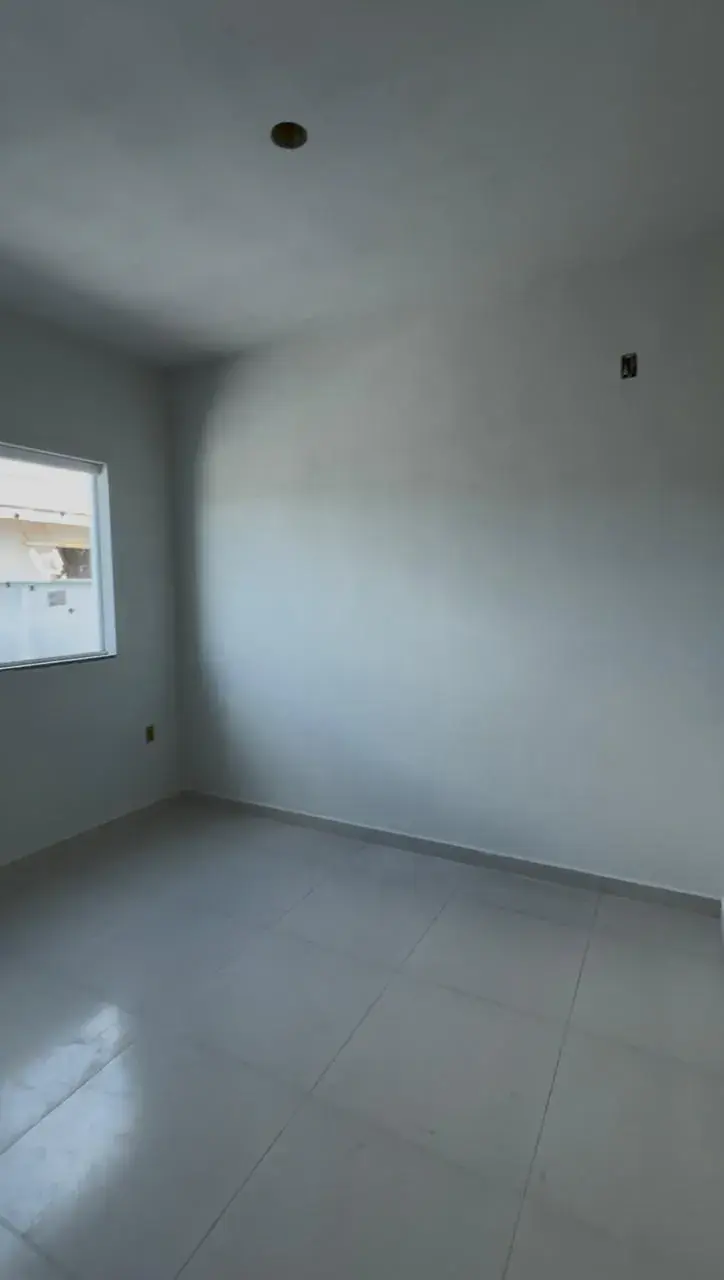
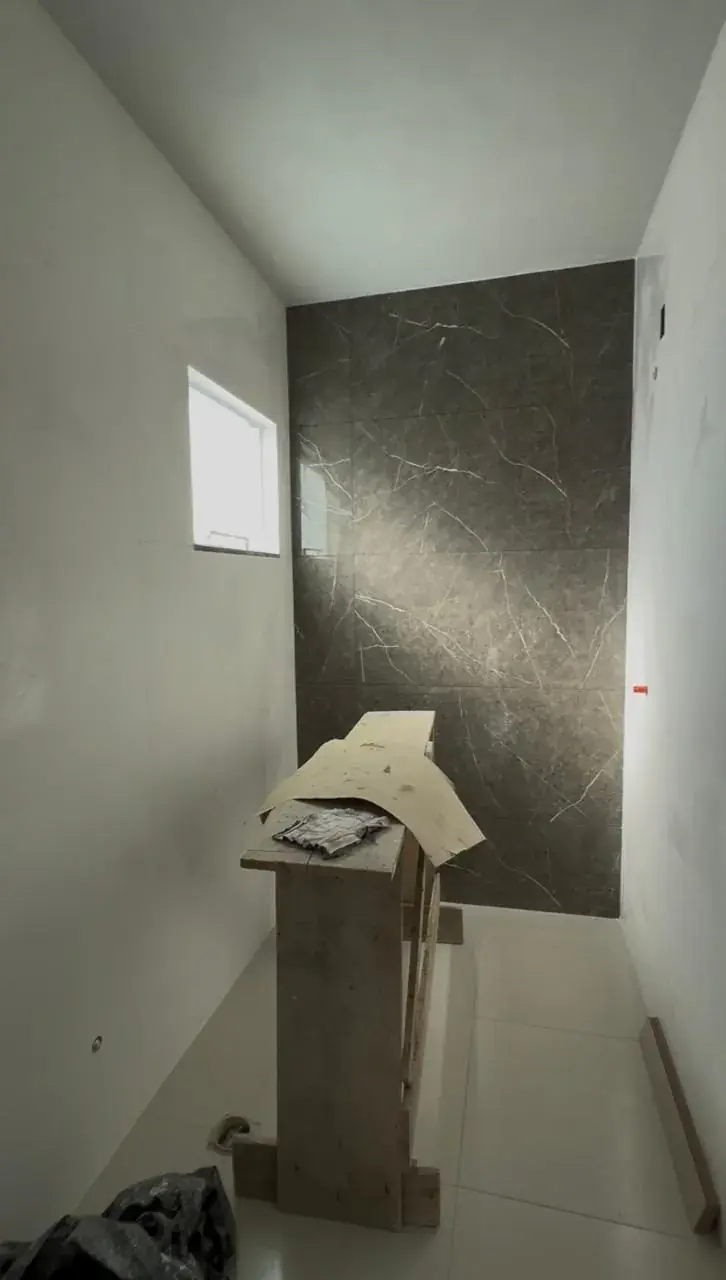
Plantas e valores
2 quartos
45,98 m² de área construída
a partir de R$ 295.000
Valores e metragens conforme o material de divulgação.
Sobre a casa
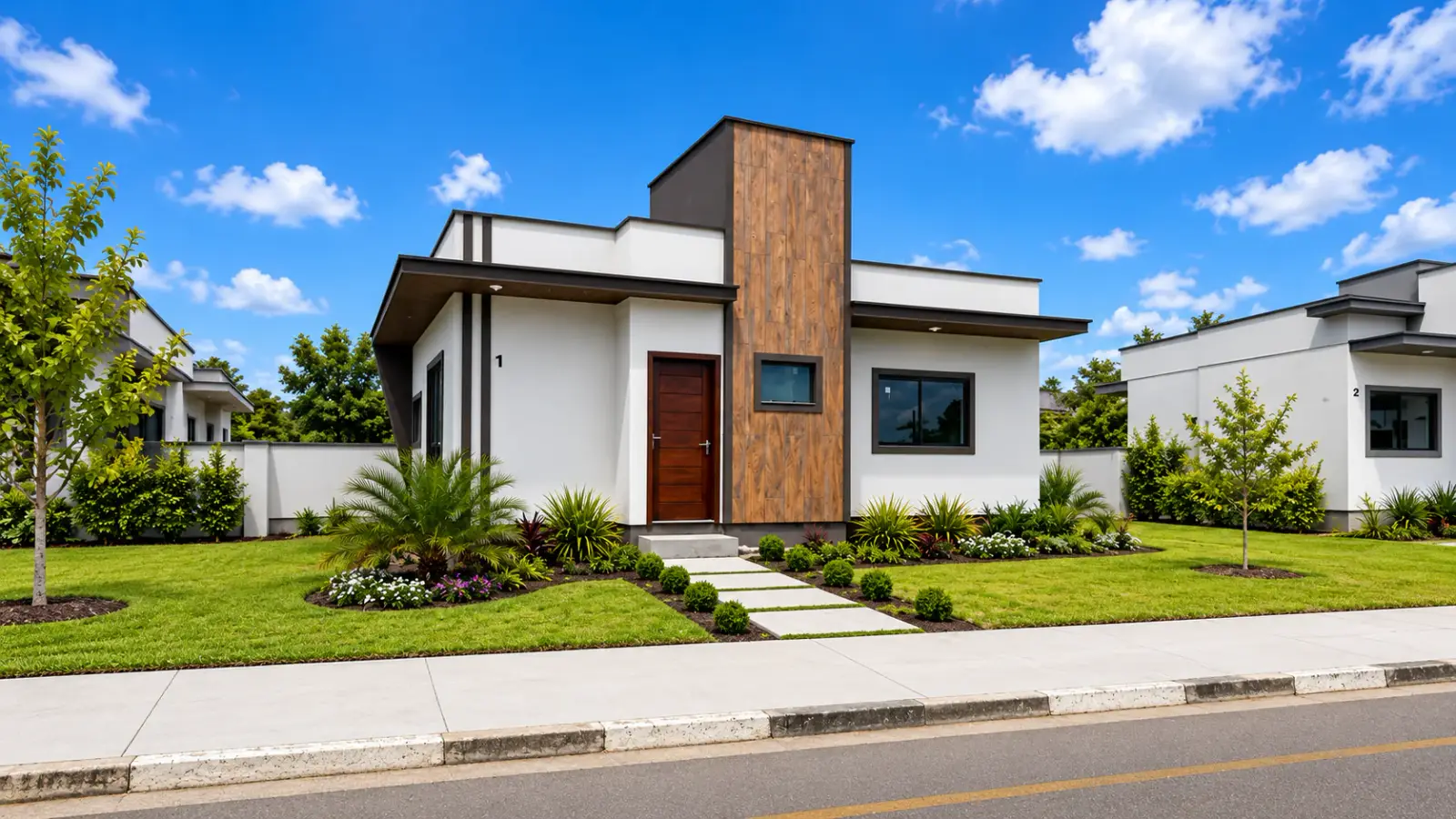
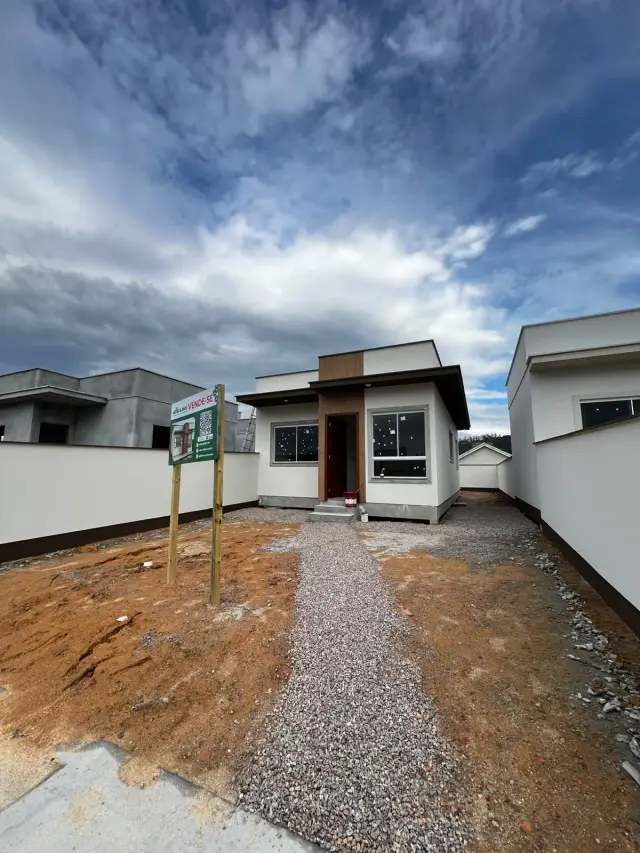
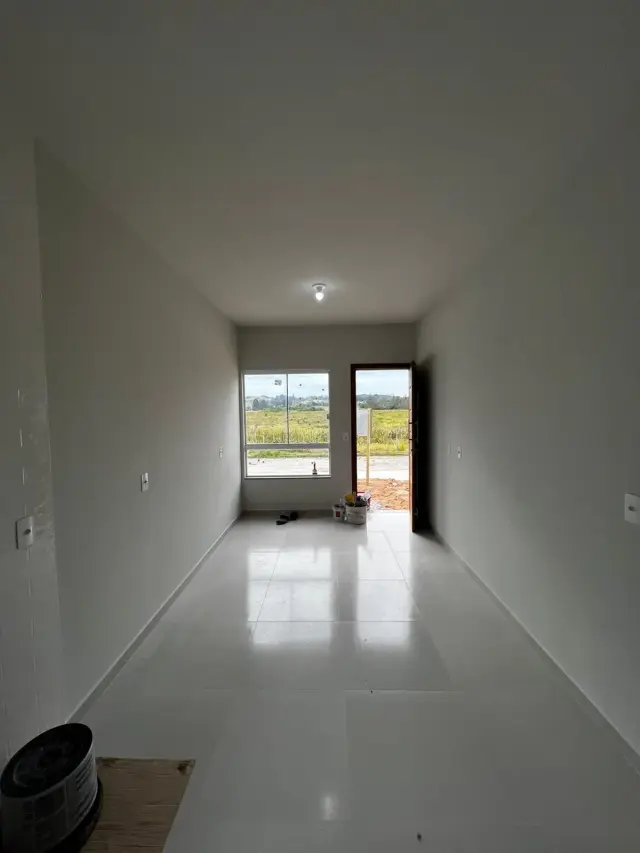
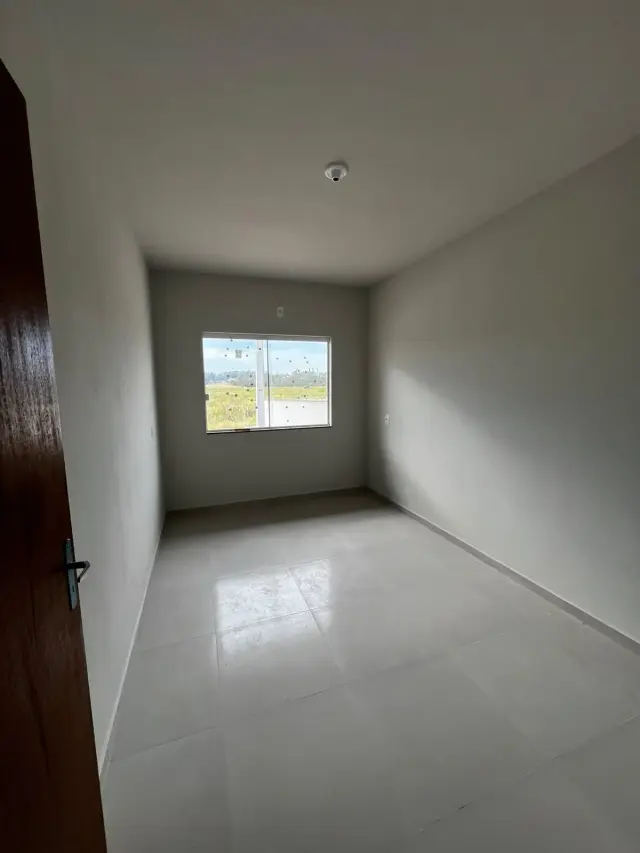
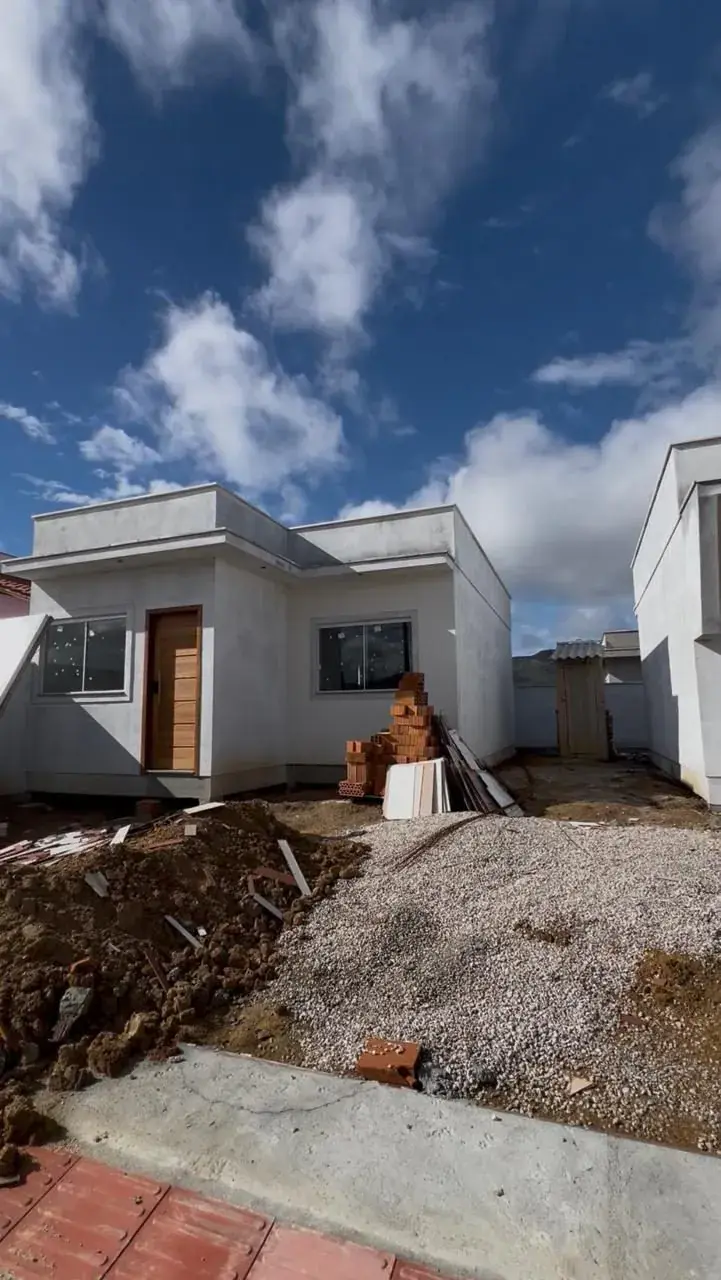
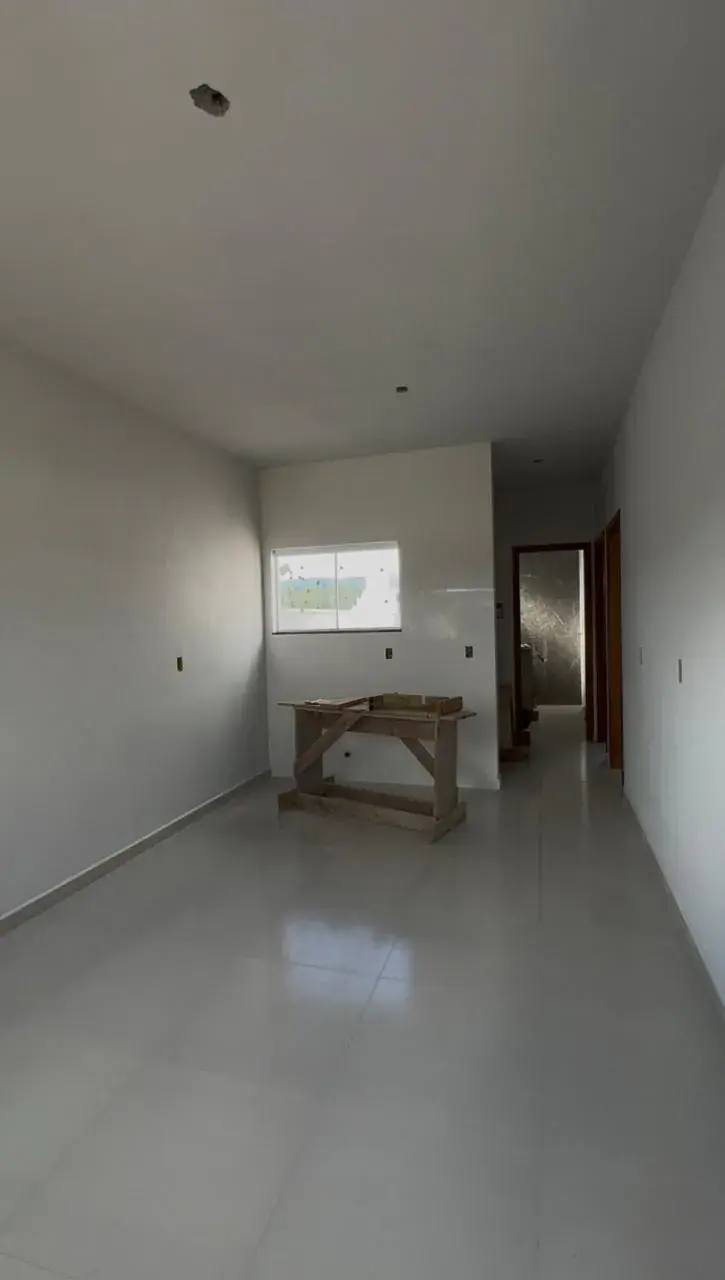
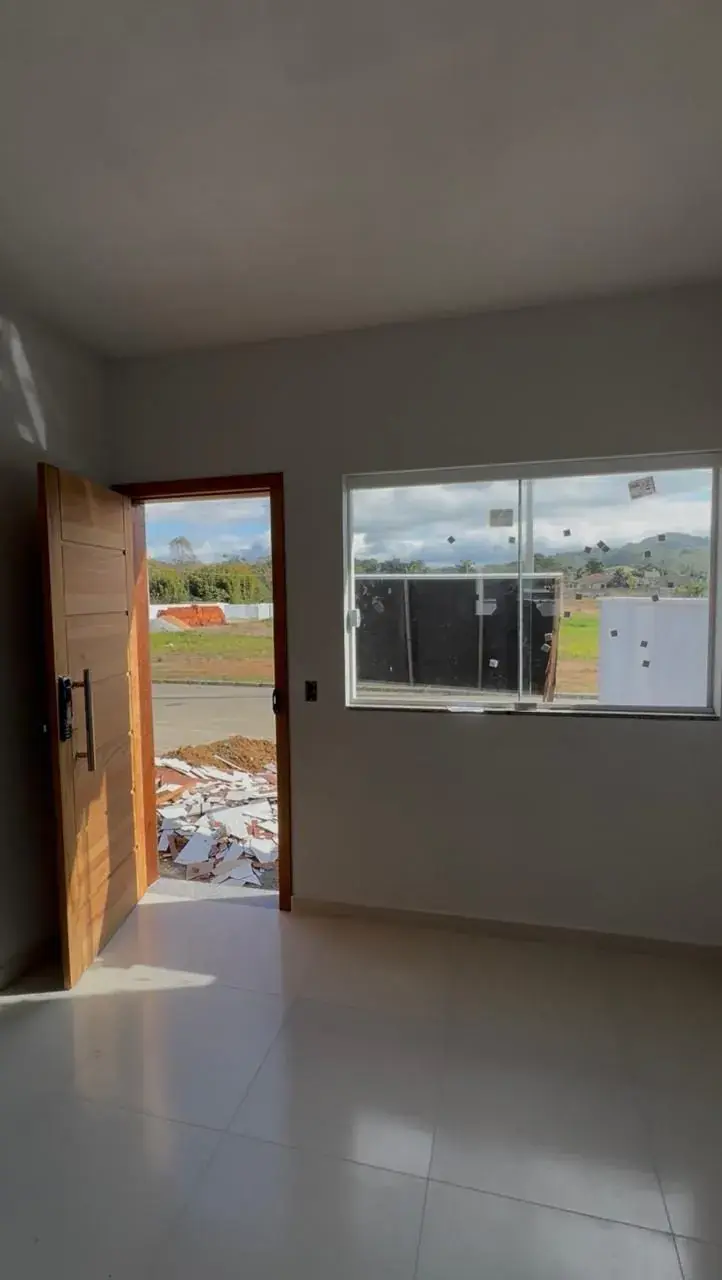
Casa de 2 quartos, com sala, cozinha e banheiro, em Nova Pescaria, Pescaria Brava. 45,98 m² de área construída em terreno de 133 m². Acabamento de qualidade. Entrega prevista para 09/2026.
O que a casa oferece
Financiamento pelo Minha Casa Minha Vida
Próximo passo
Descubra em minutos se este imóvel cabe no seu orçamento.
Casa Orquídea
Capivari de Baixo — Vila Flor
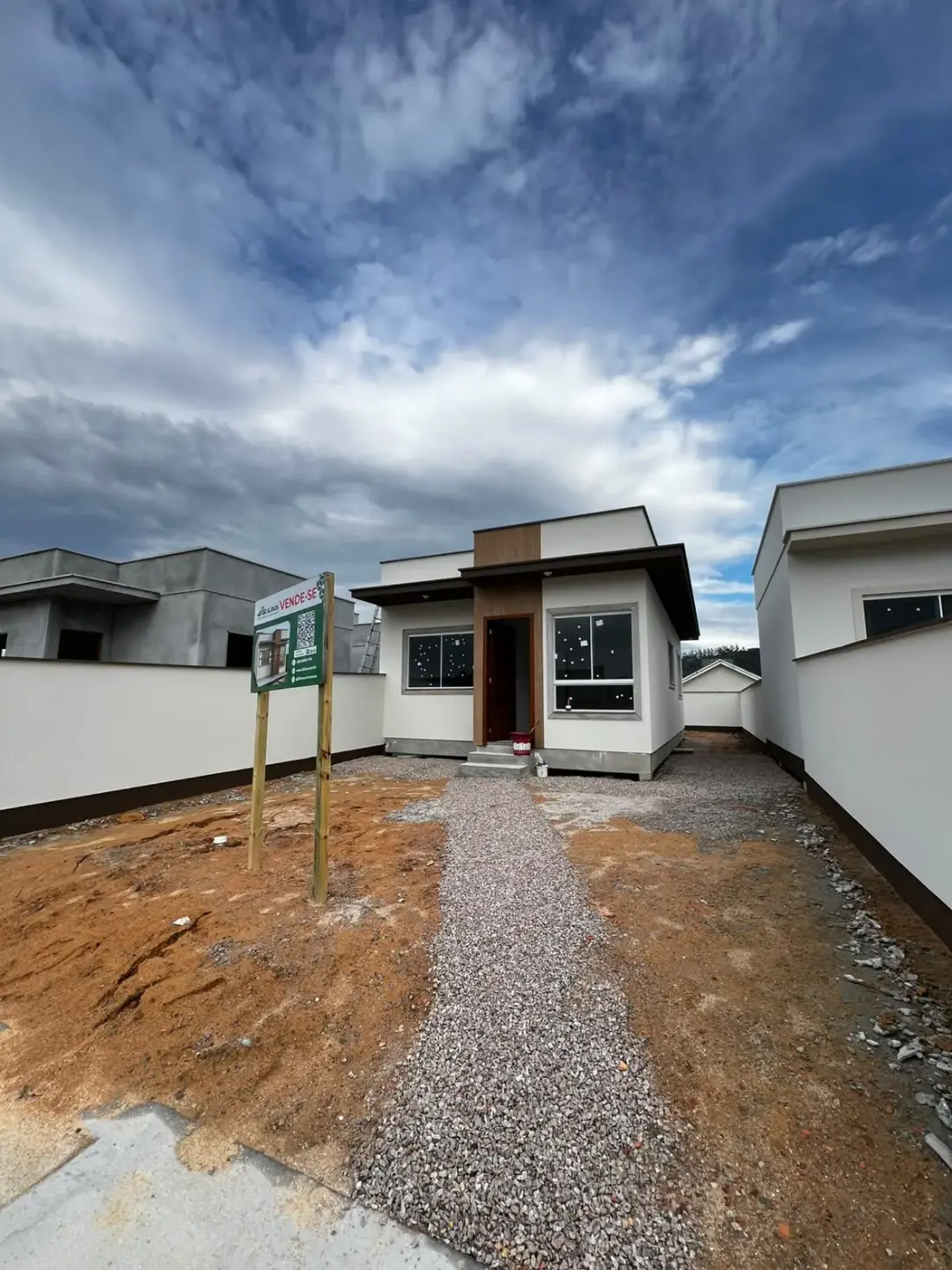
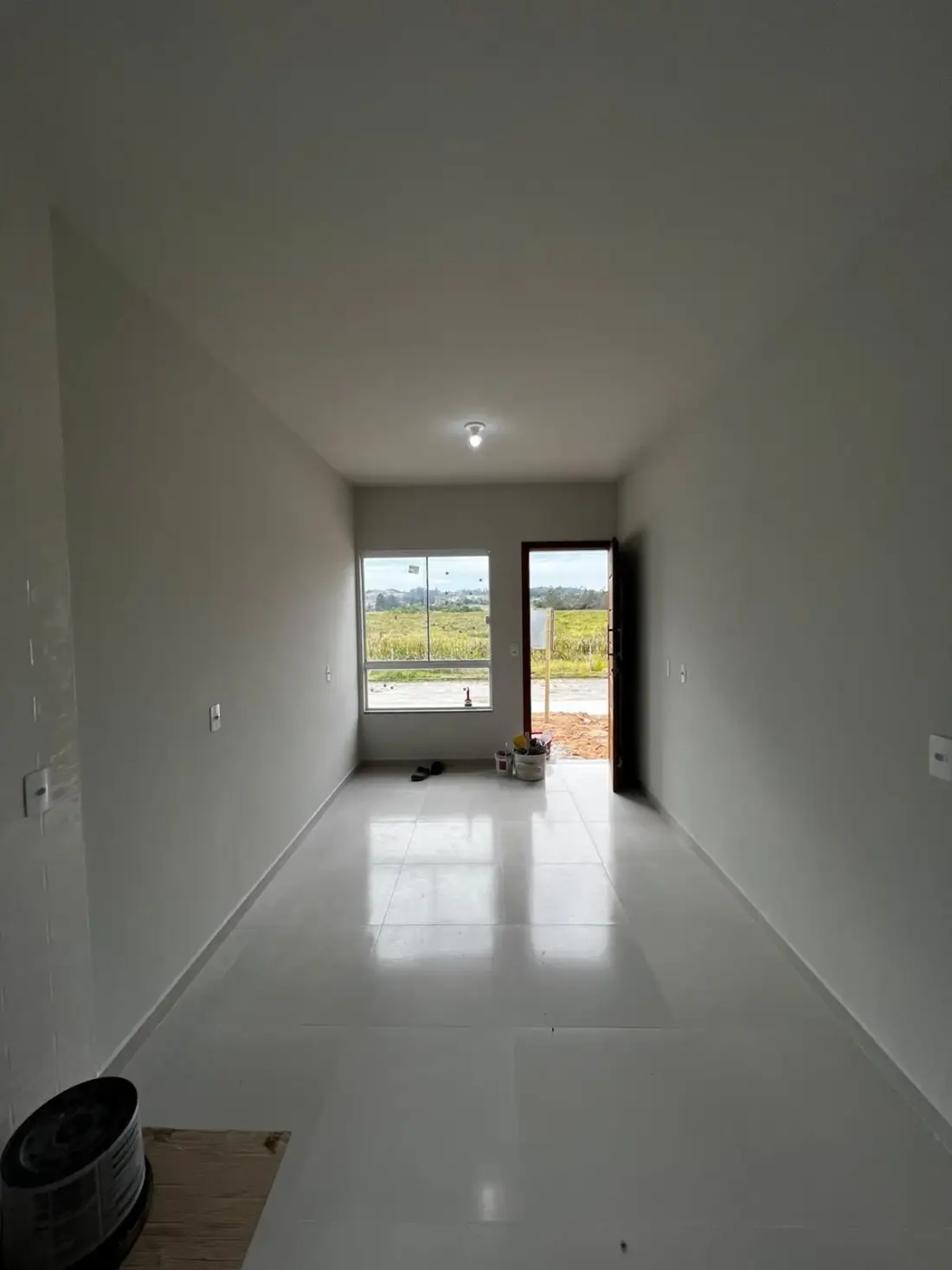
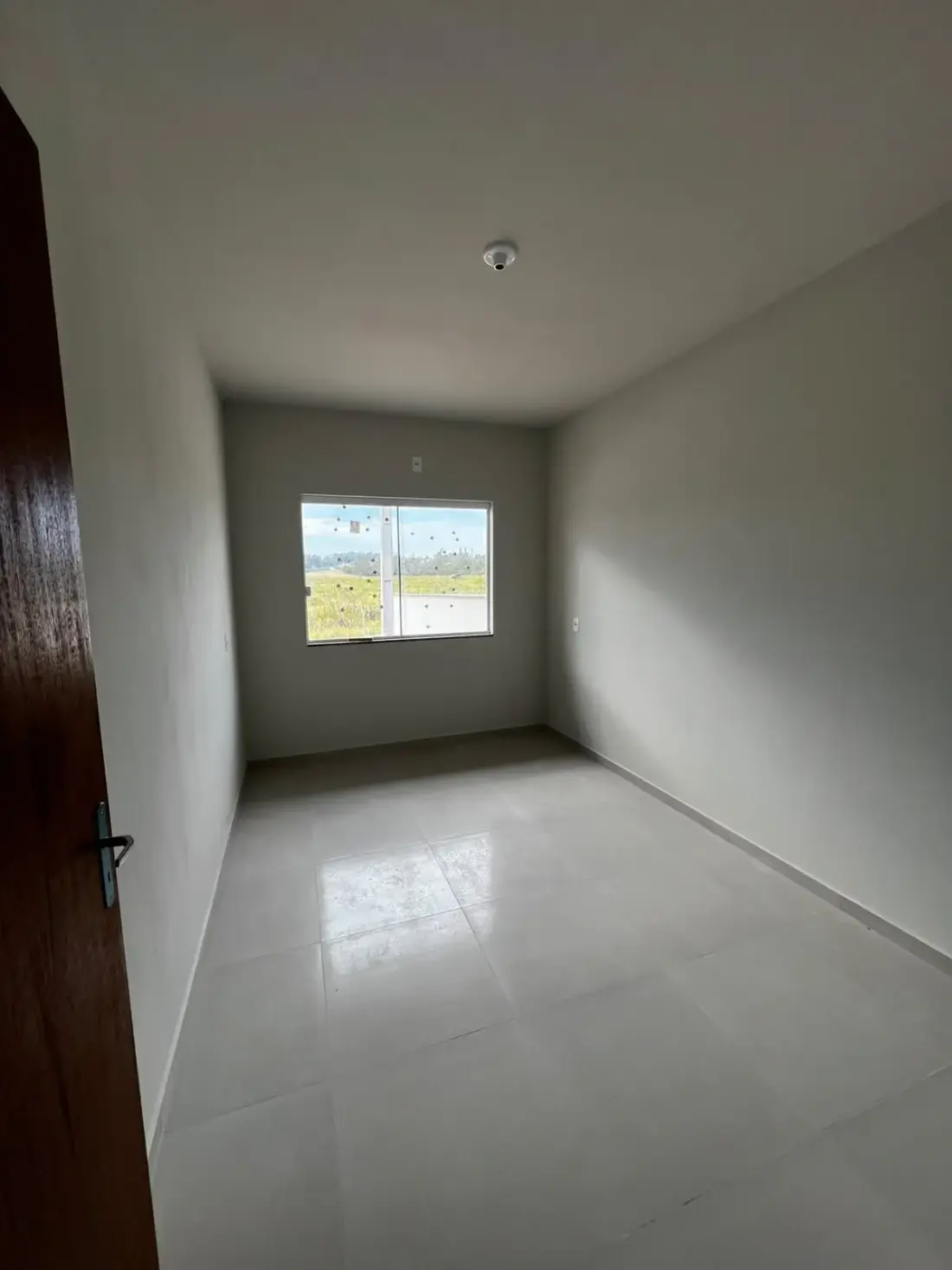
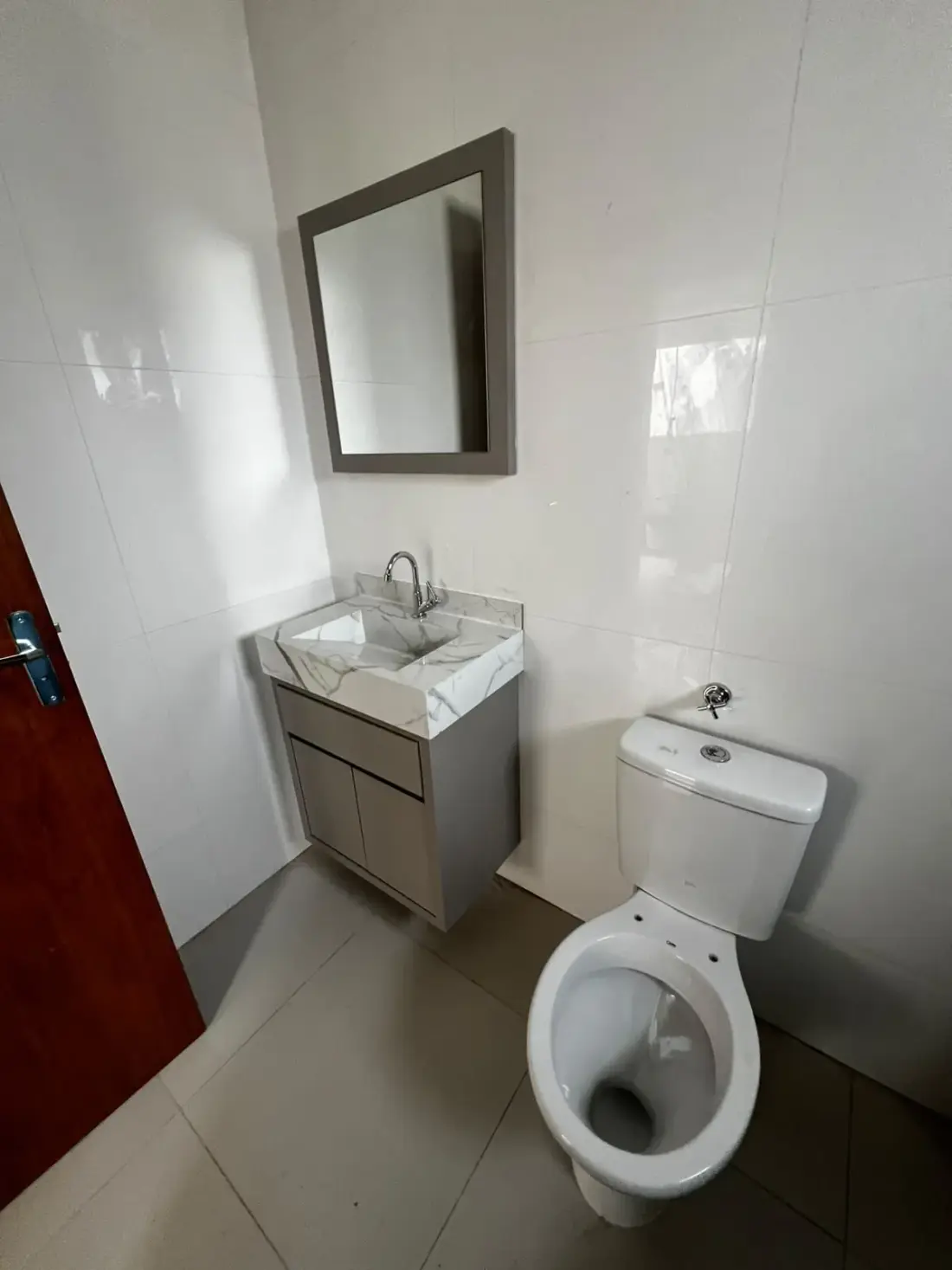

Plantas e valores
2 quartos
45,98 m² de área construída
a partir de R$ 310.000
Valores e metragens conforme o material de divulgação.
Sobre a casa
Casa de 2 quartos, com sala, cozinha e banheiro, em Vila Flor, Capivari de Baixo. 45,98 m² de área construída em terreno de 174 m². Acabamento de qualidade. Pronta para morar, entrega em 08/2026.
O que a casa oferece
Financiamento pelo Minha Casa Minha Vida
Próximo passo
Descubra em minutos se este imóvel cabe no seu orçamento.
Casa Ipê
Capivari de Baixo — Vila Flor
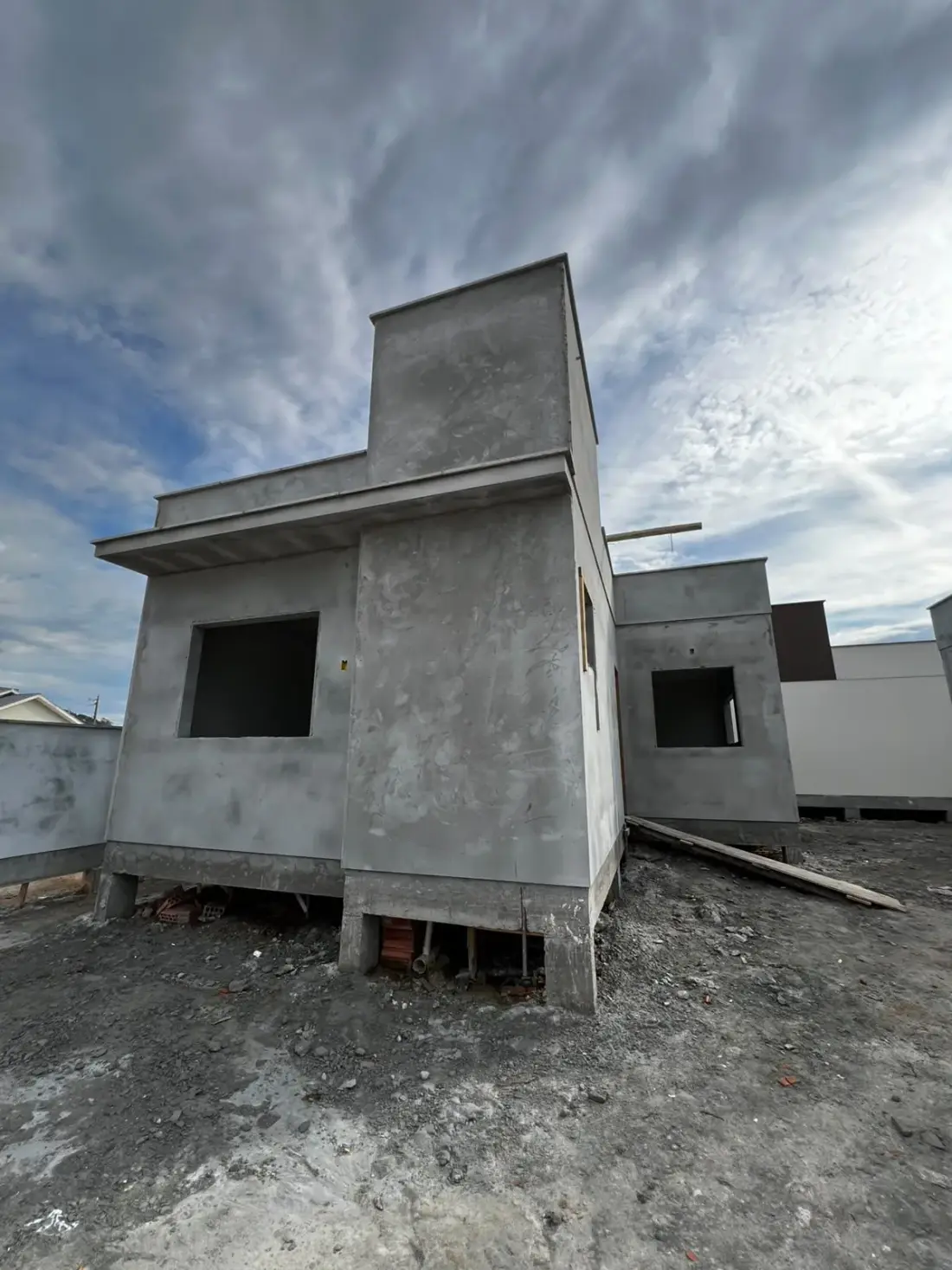
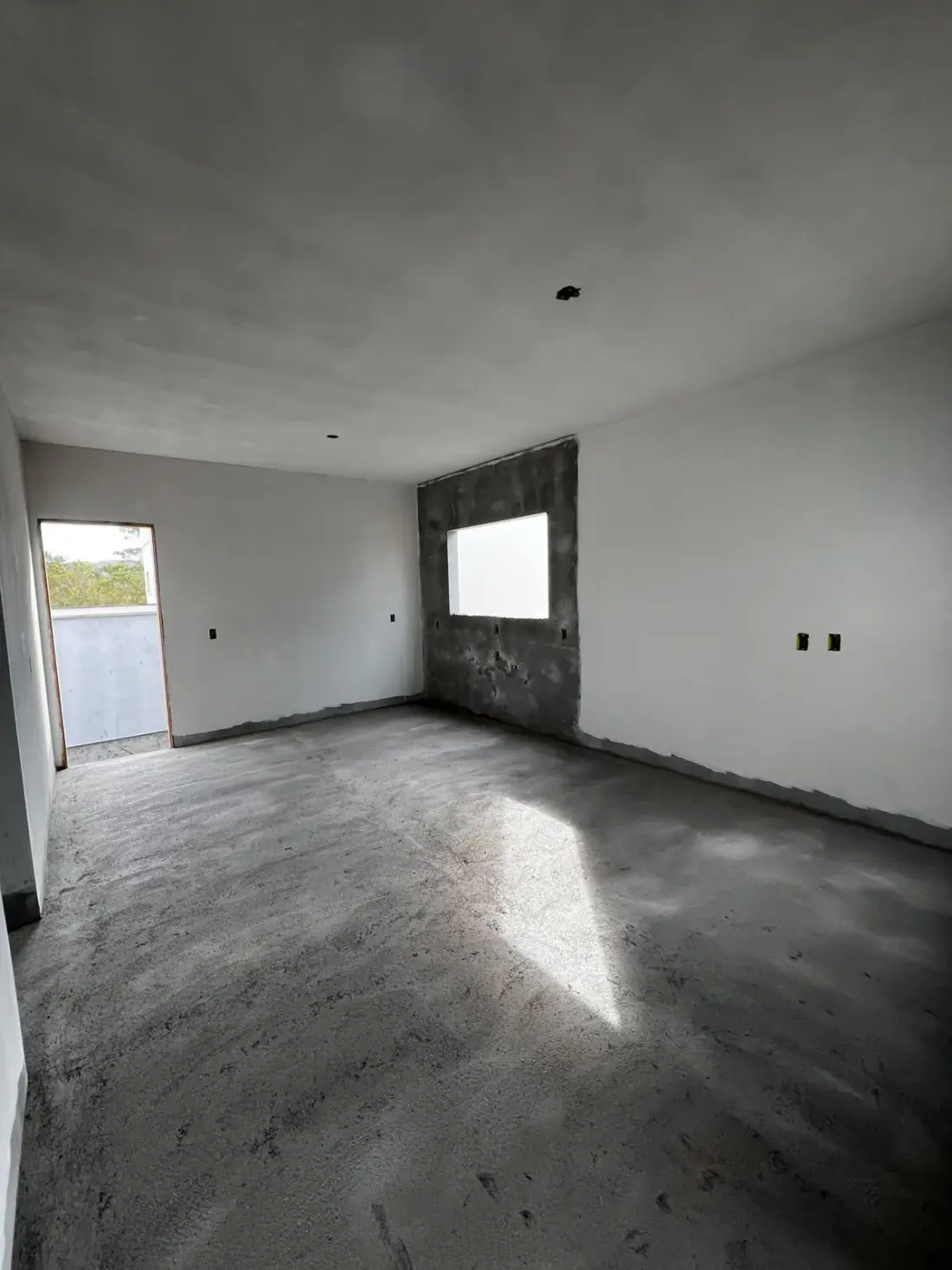
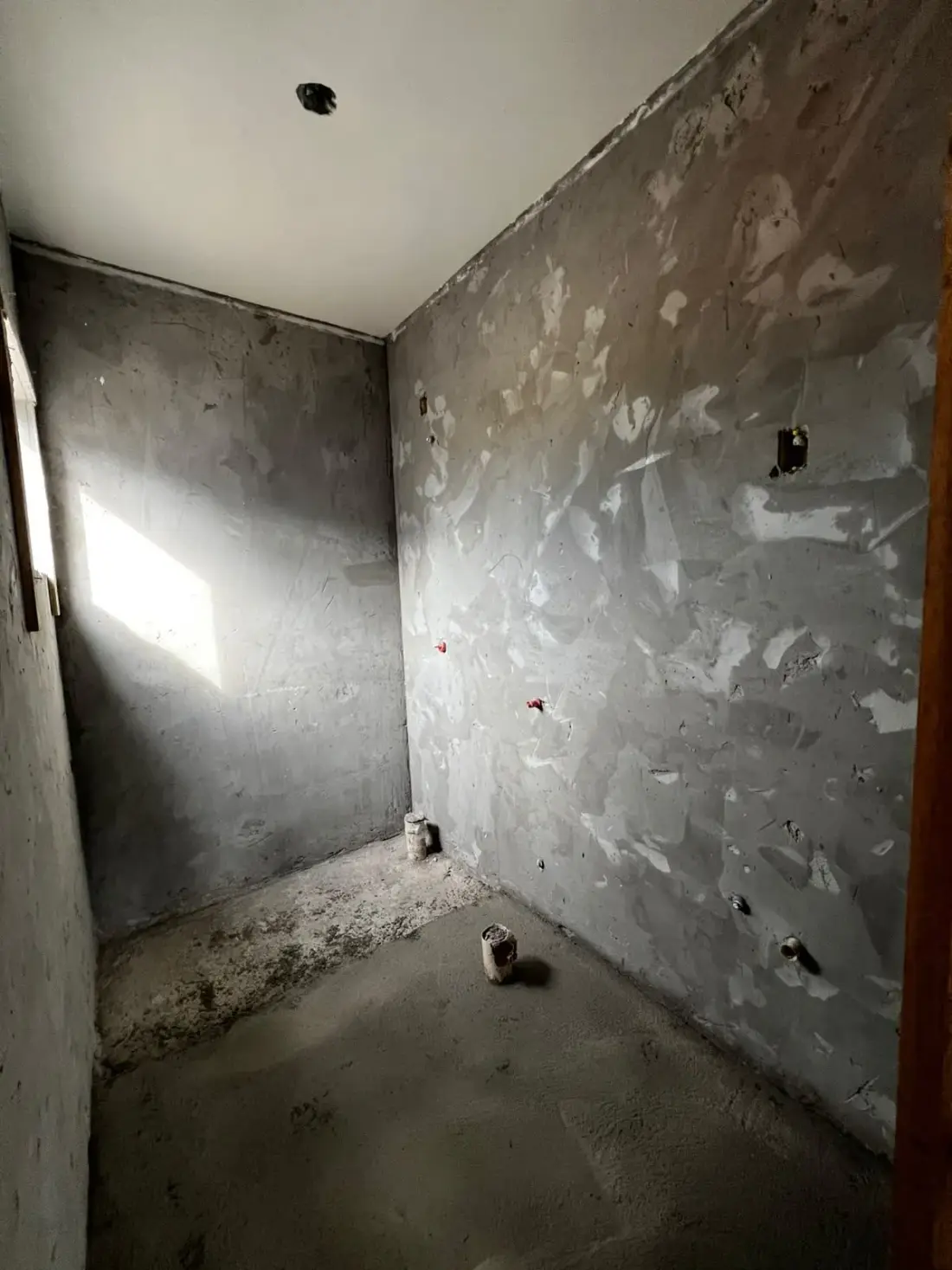
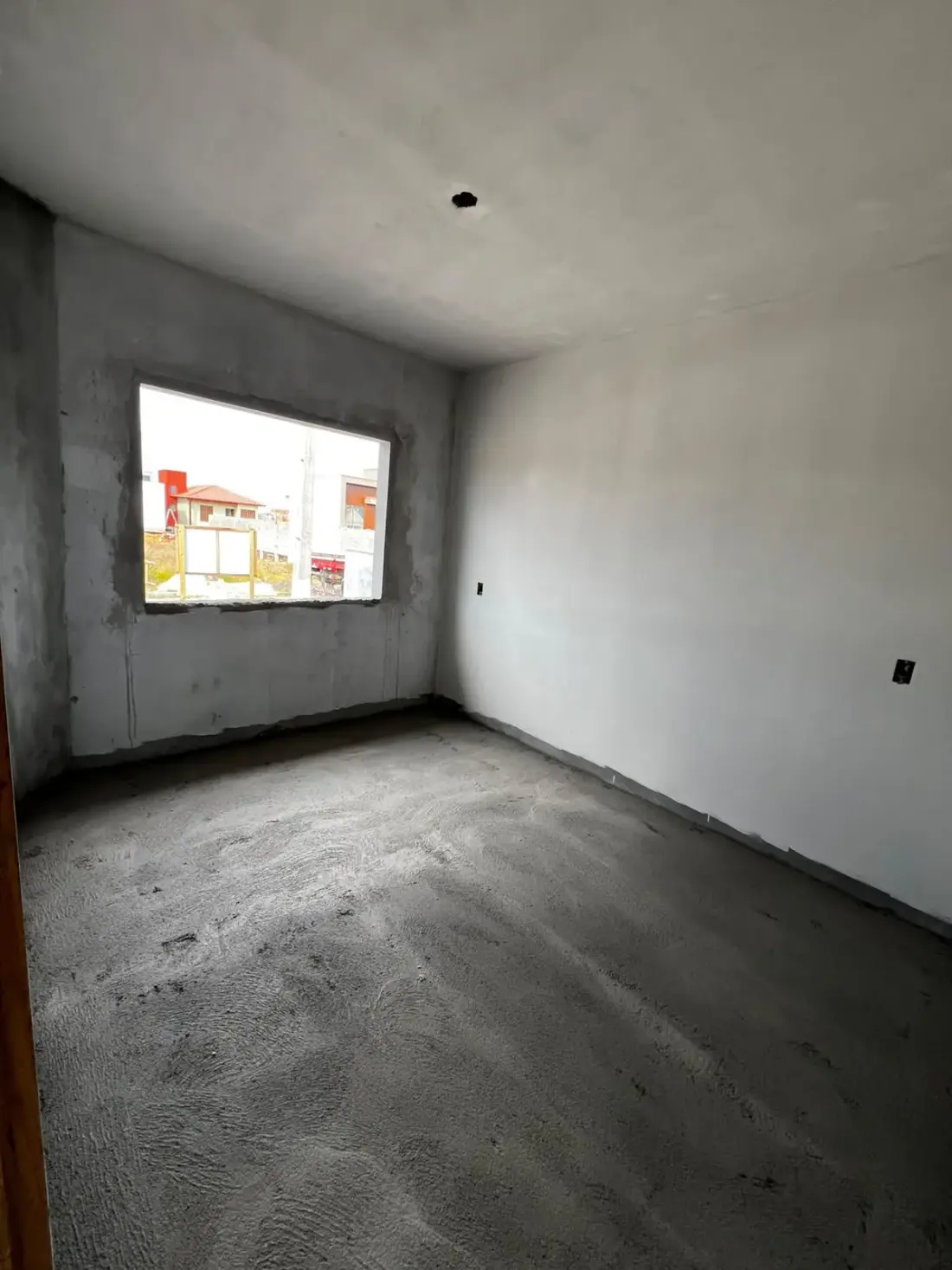
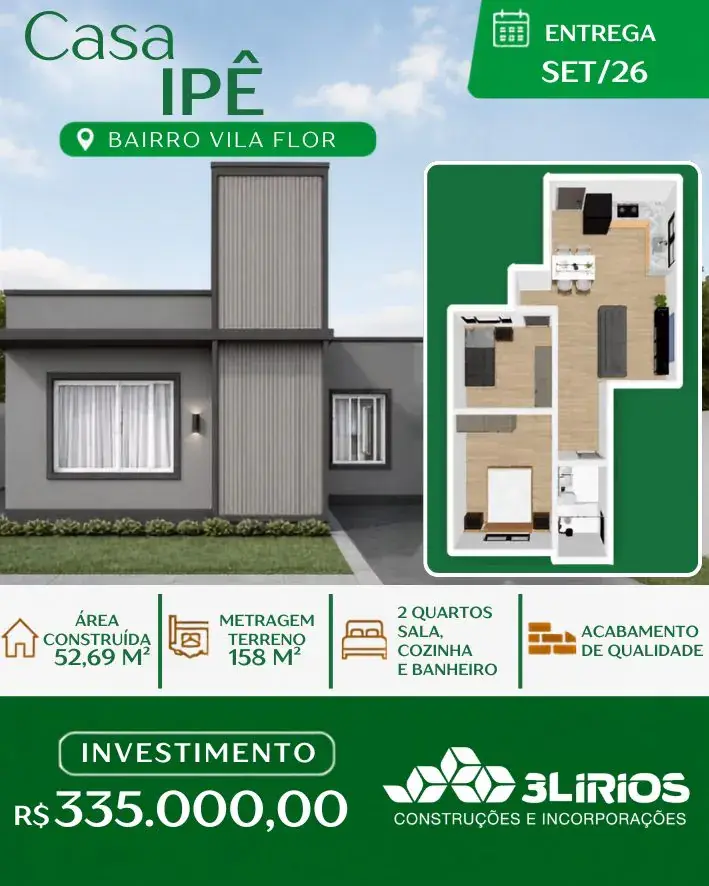
Plantas e valores
2 quartos
52,69 m² de área construída
a partir de R$ 335.000
Valores e metragens conforme o material de divulgação.
Sobre a casa
Casa de 2 quartos, com sala, cozinha e banheiro, em Vila Flor, Capivari de Baixo. 52,69 m² de área construída em terreno de 158 m². Acabamento de qualidade. Entrega prevista para 09/2026.
O que a casa oferece
Financiamento pelo Minha Casa Minha Vida
Próximo passo
Descubra em minutos se este imóvel cabe no seu orçamento.
Casa Flora
Pescaria Brava — Nova Pescaria
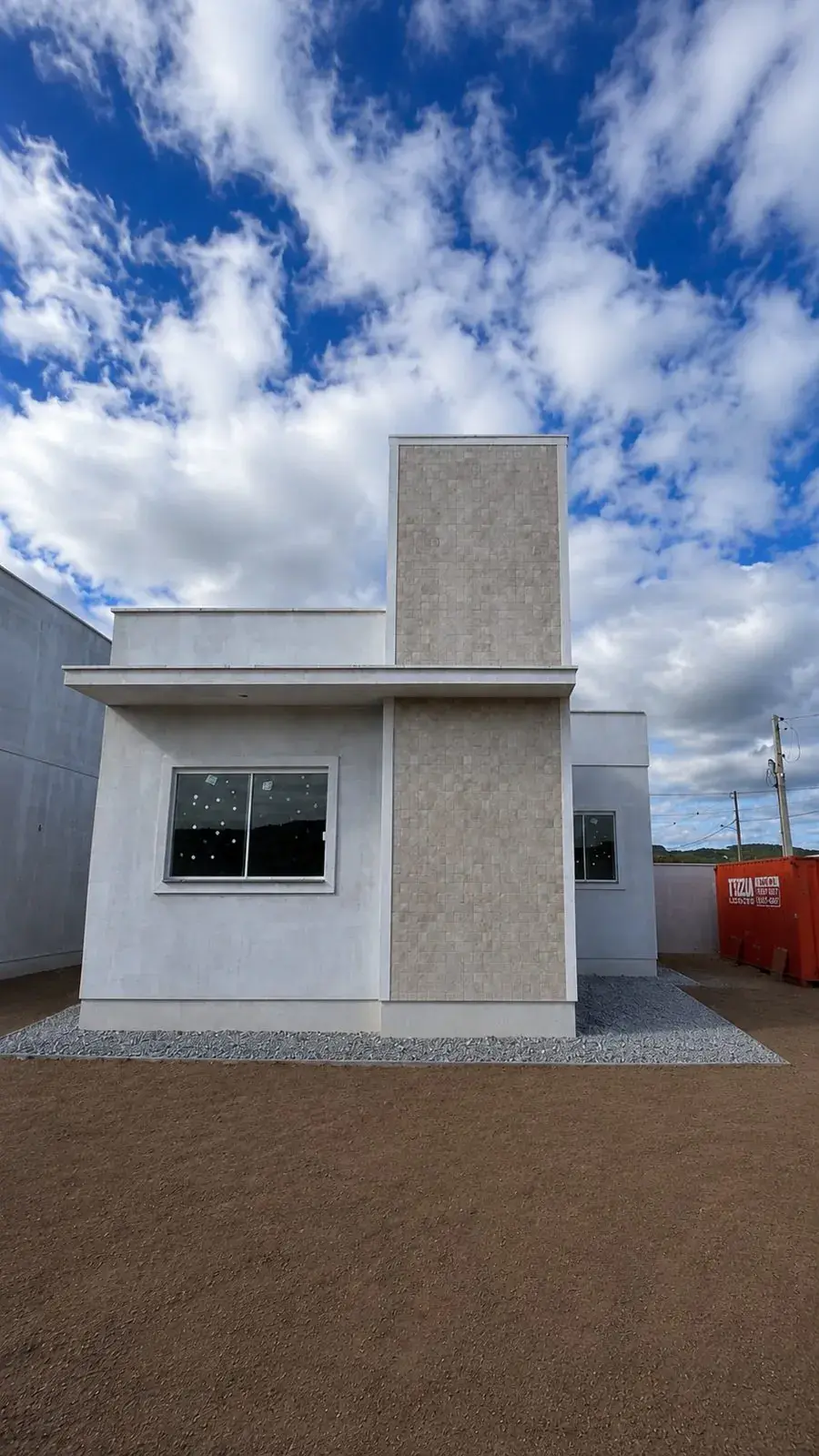
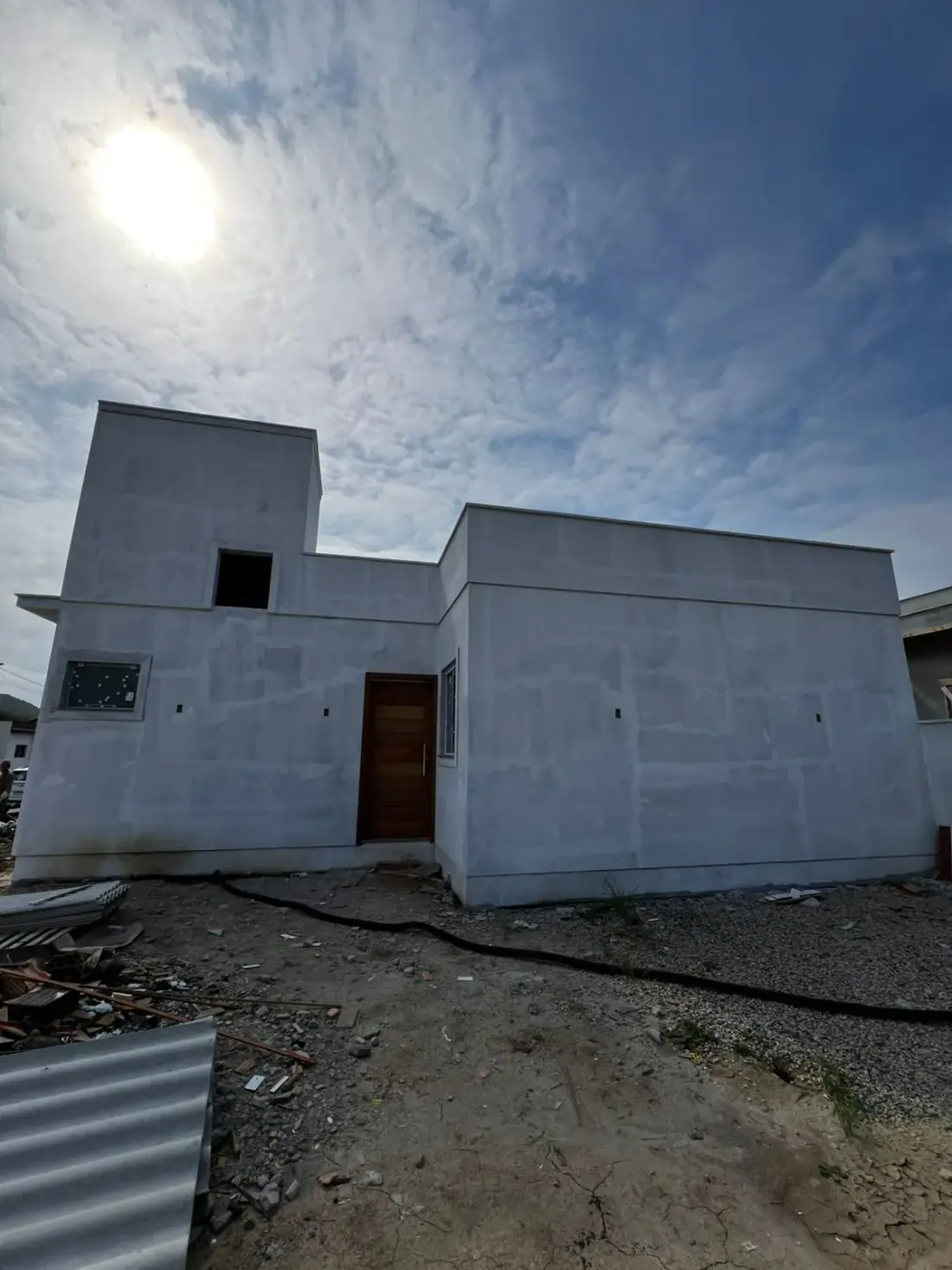
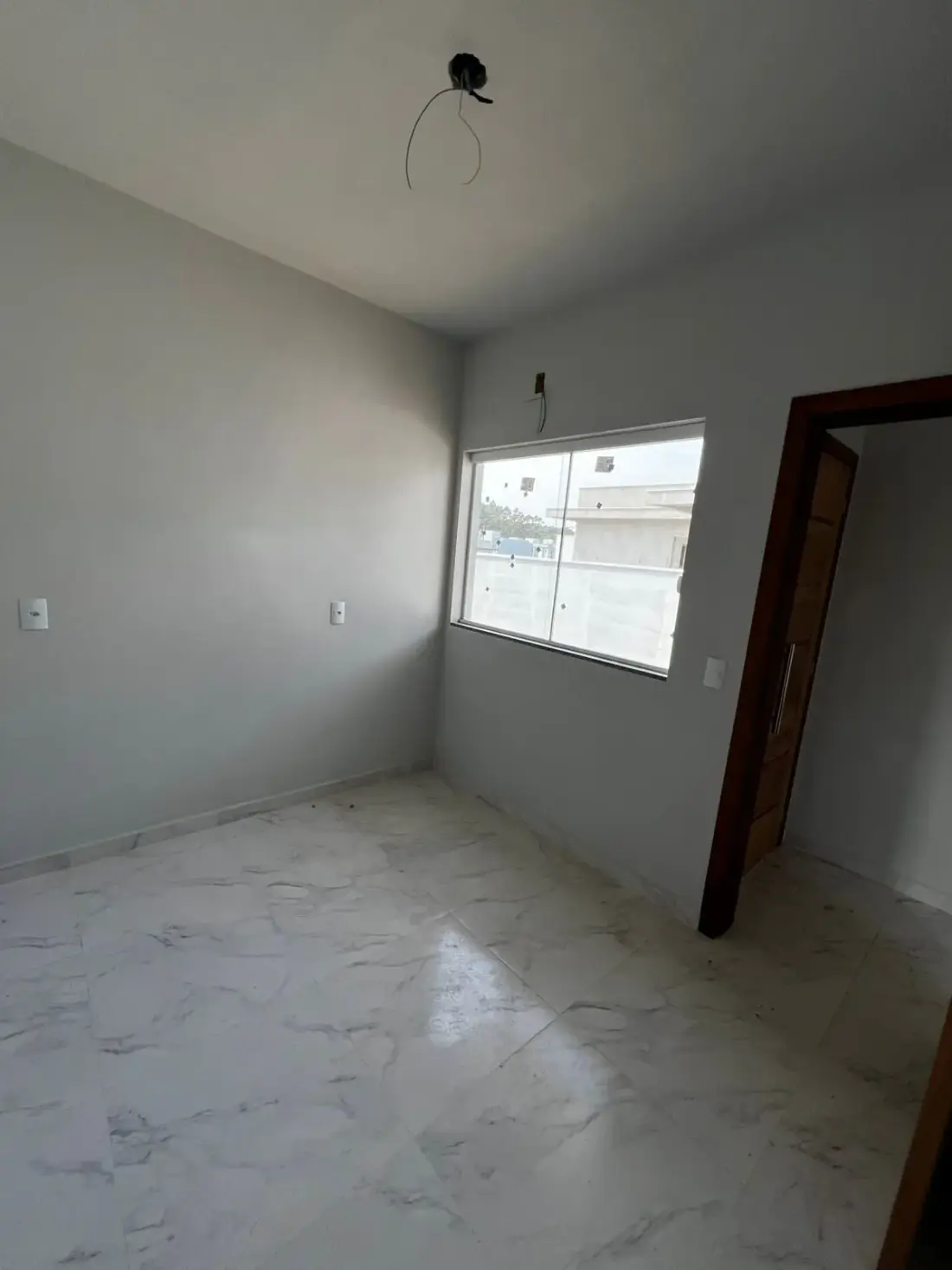
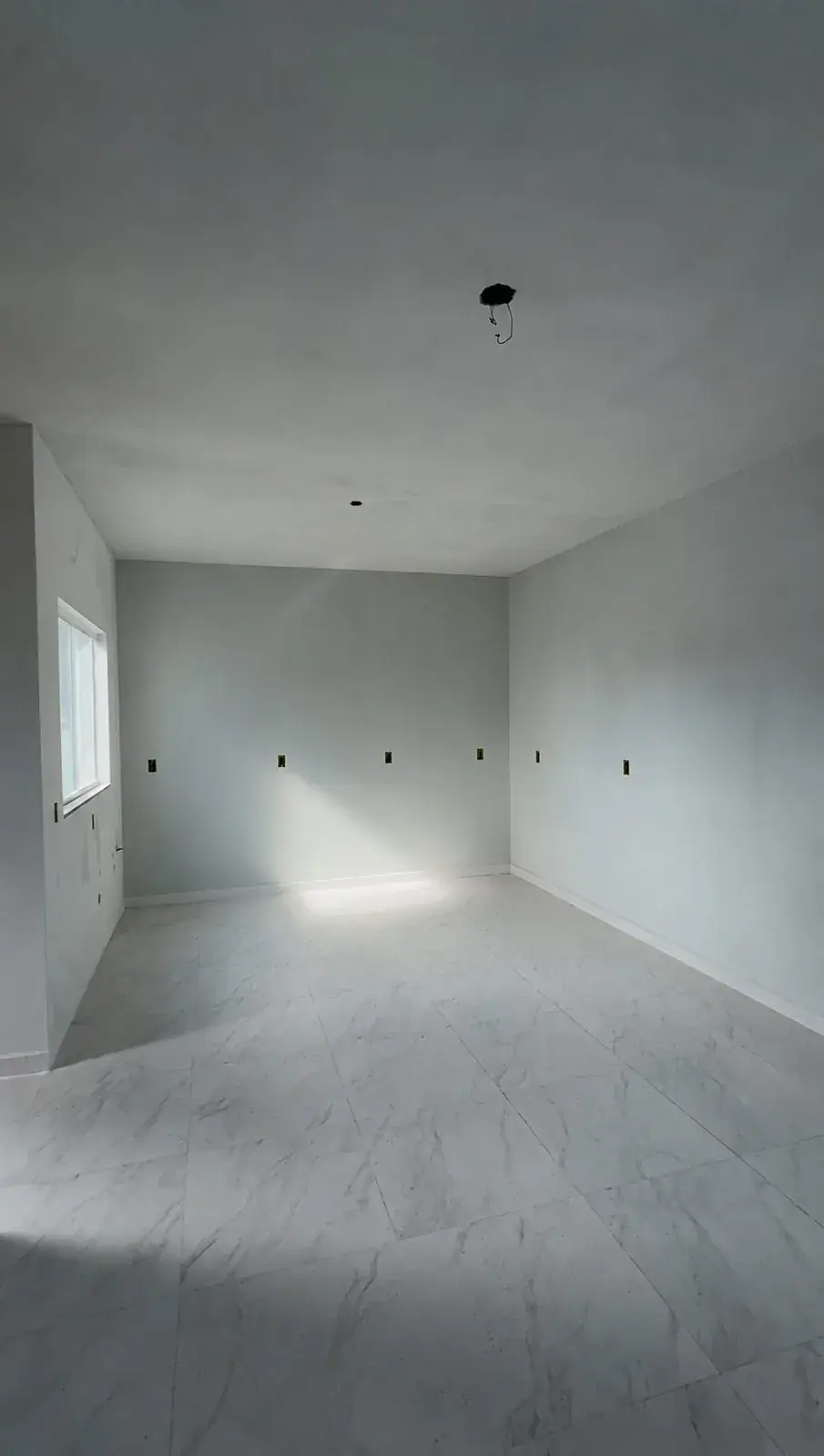
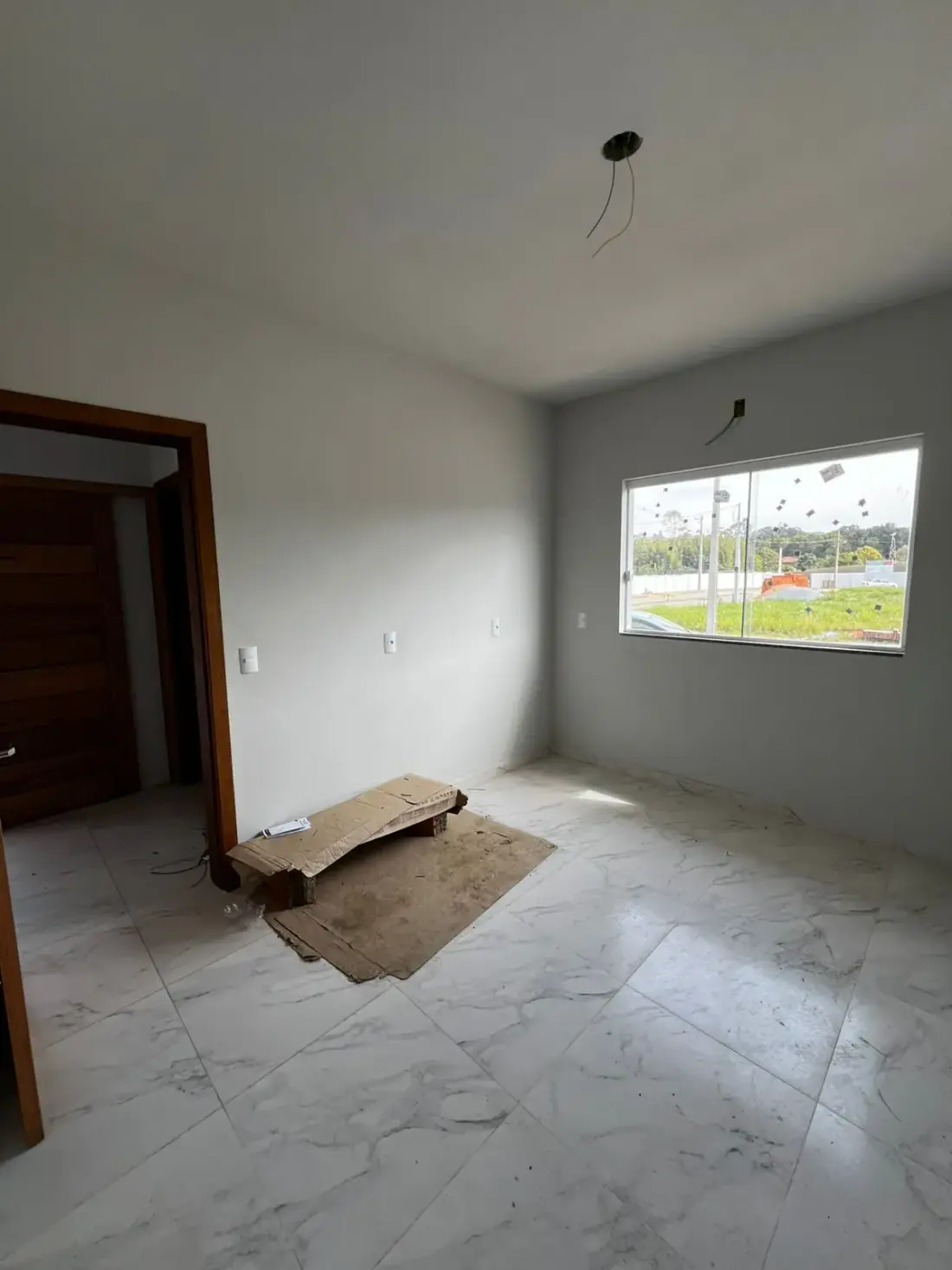
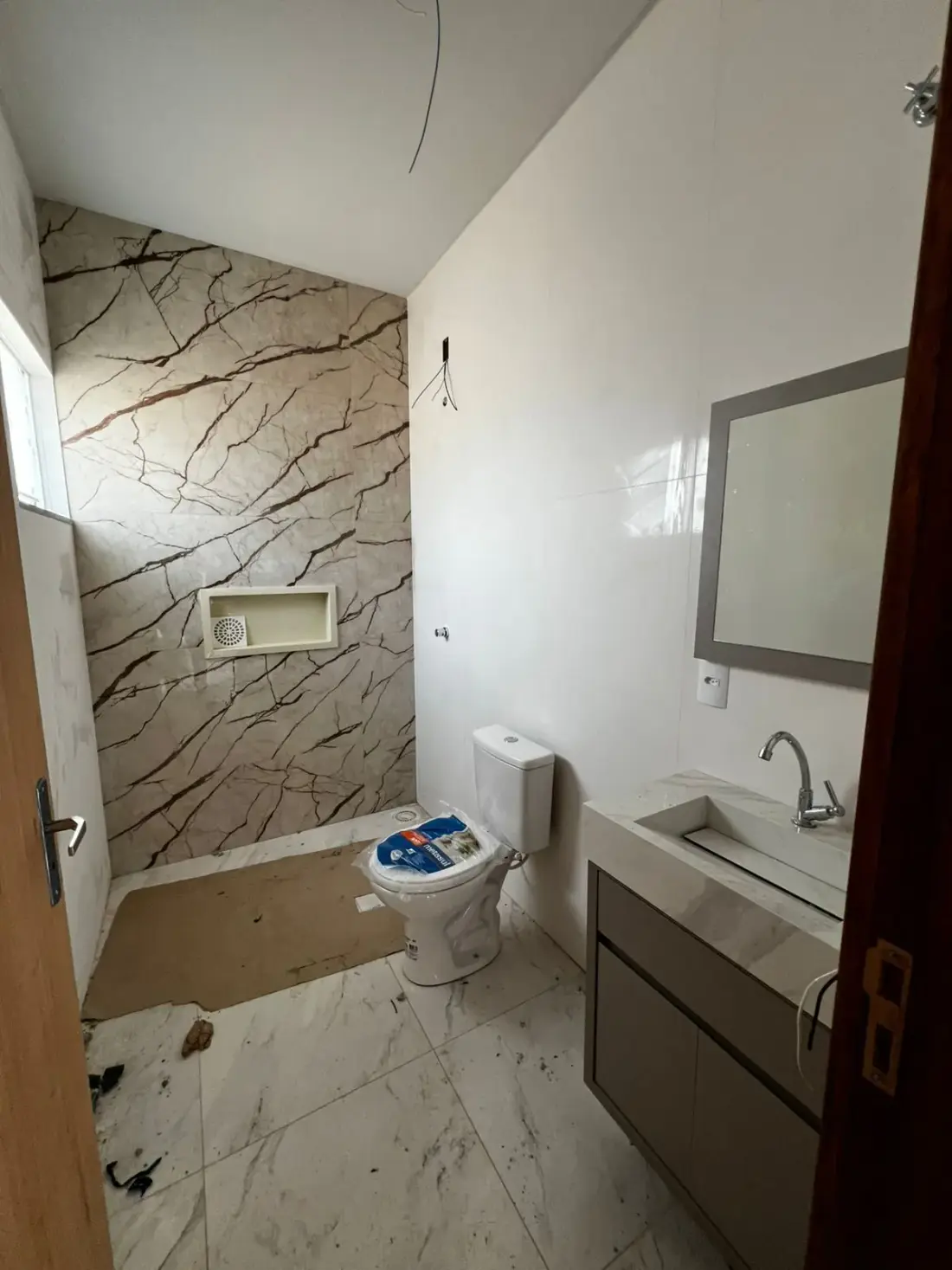
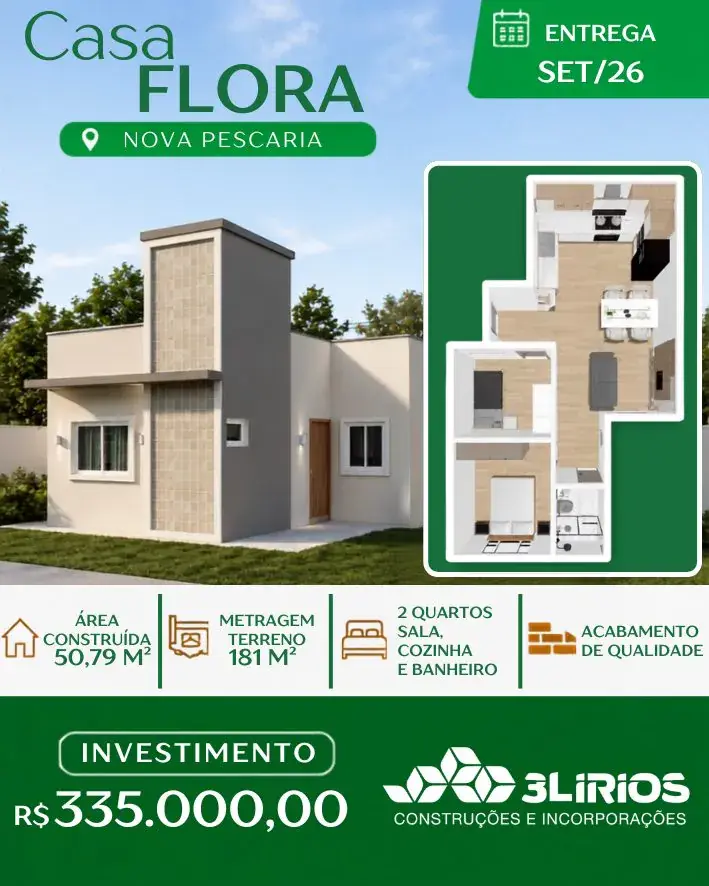
Plantas e valores
2 quartos
50,79 m² de área construída
a partir de R$ 335.000
Valores e metragens conforme o material de divulgação.
Sobre a casa
Casa de 2 quartos, com sala, cozinha e banheiro, em Nova Pescaria, Pescaria Brava. 50,79 m² de área construída em terreno de 181 m². Acabamento de qualidade. Entrega prevista para 09/2026.
O que a casa oferece
Financiamento pelo Minha Casa Minha Vida
Próximo passo
Descubra em minutos se este imóvel cabe no seu orçamento.
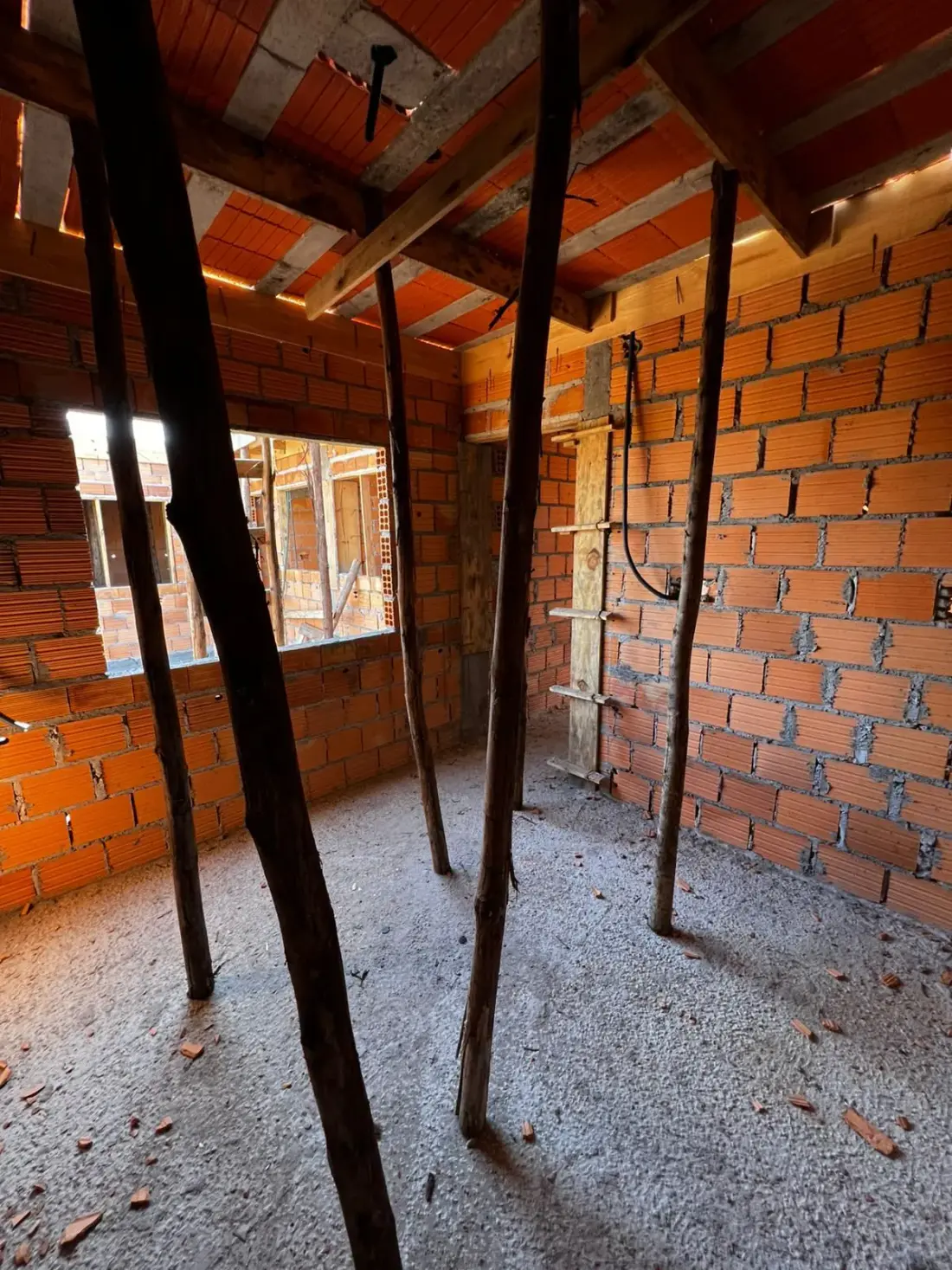
Casa Peônia
Tubarão — Vila dos Araçás
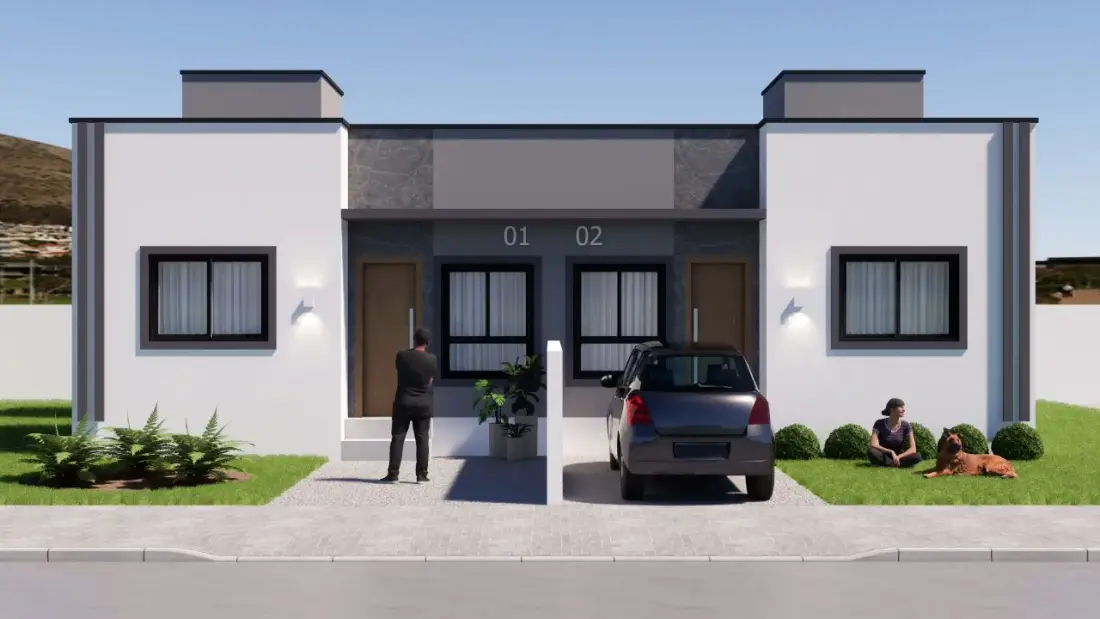
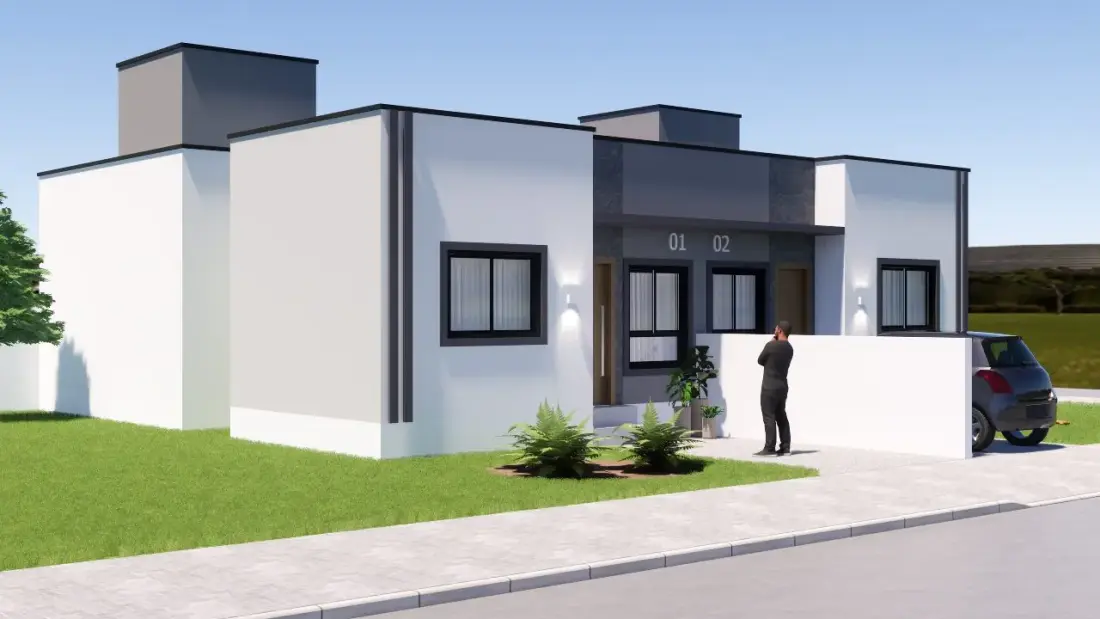
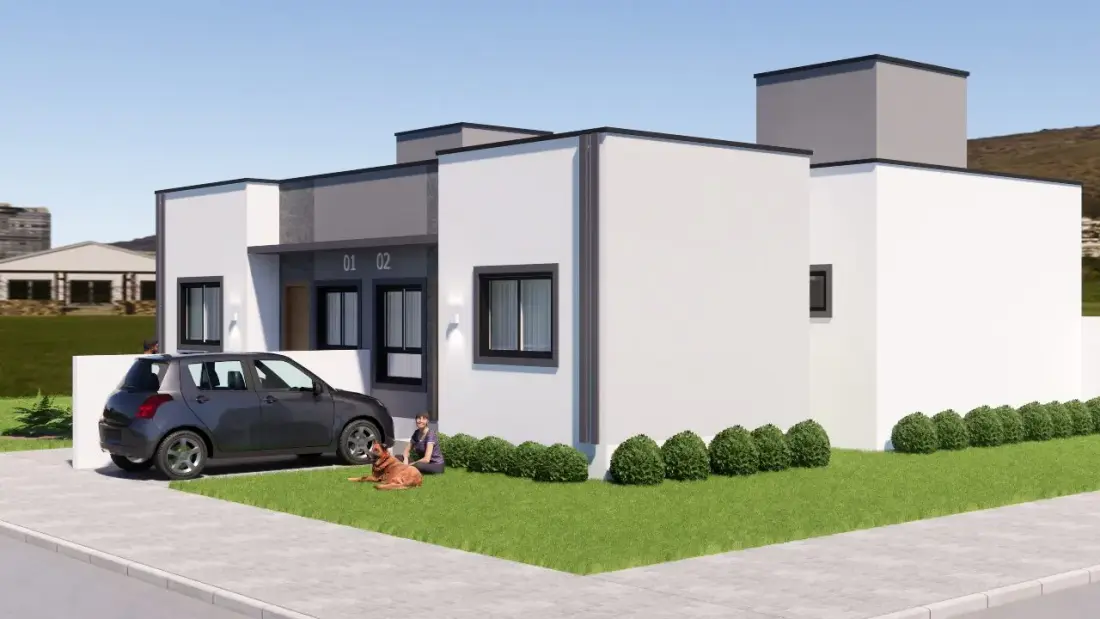
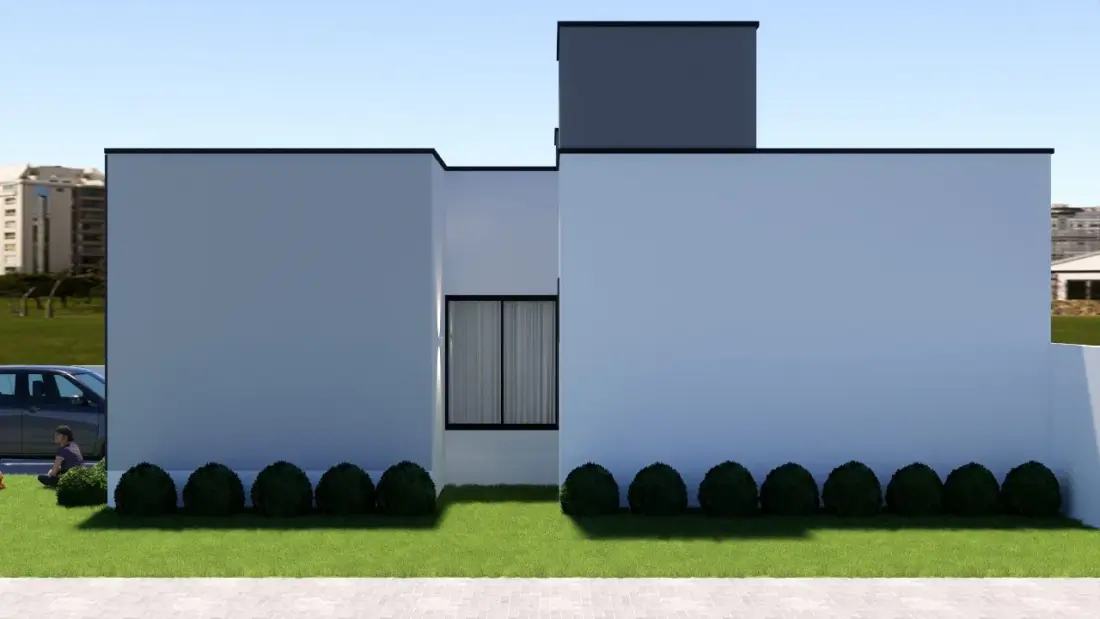
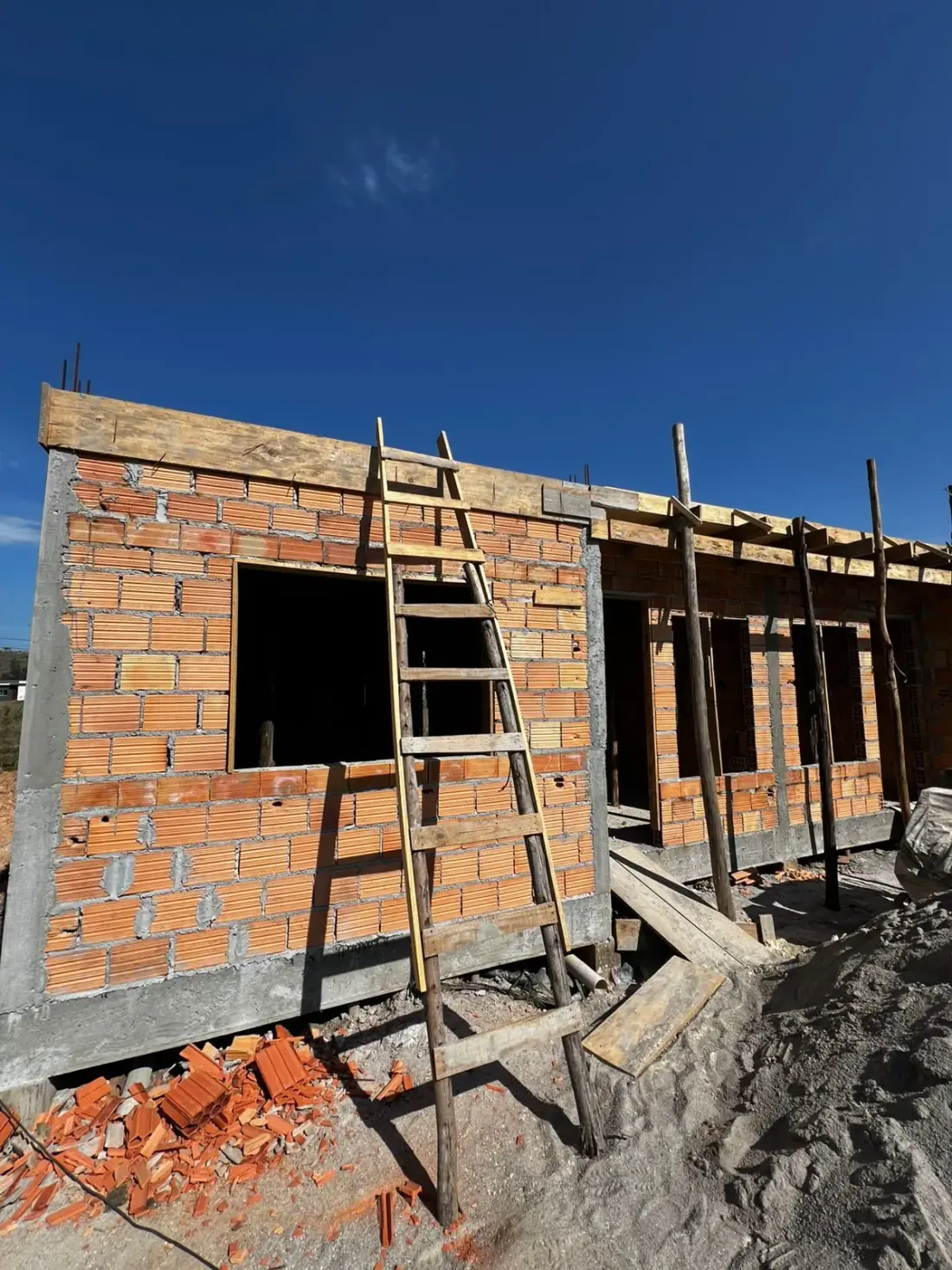
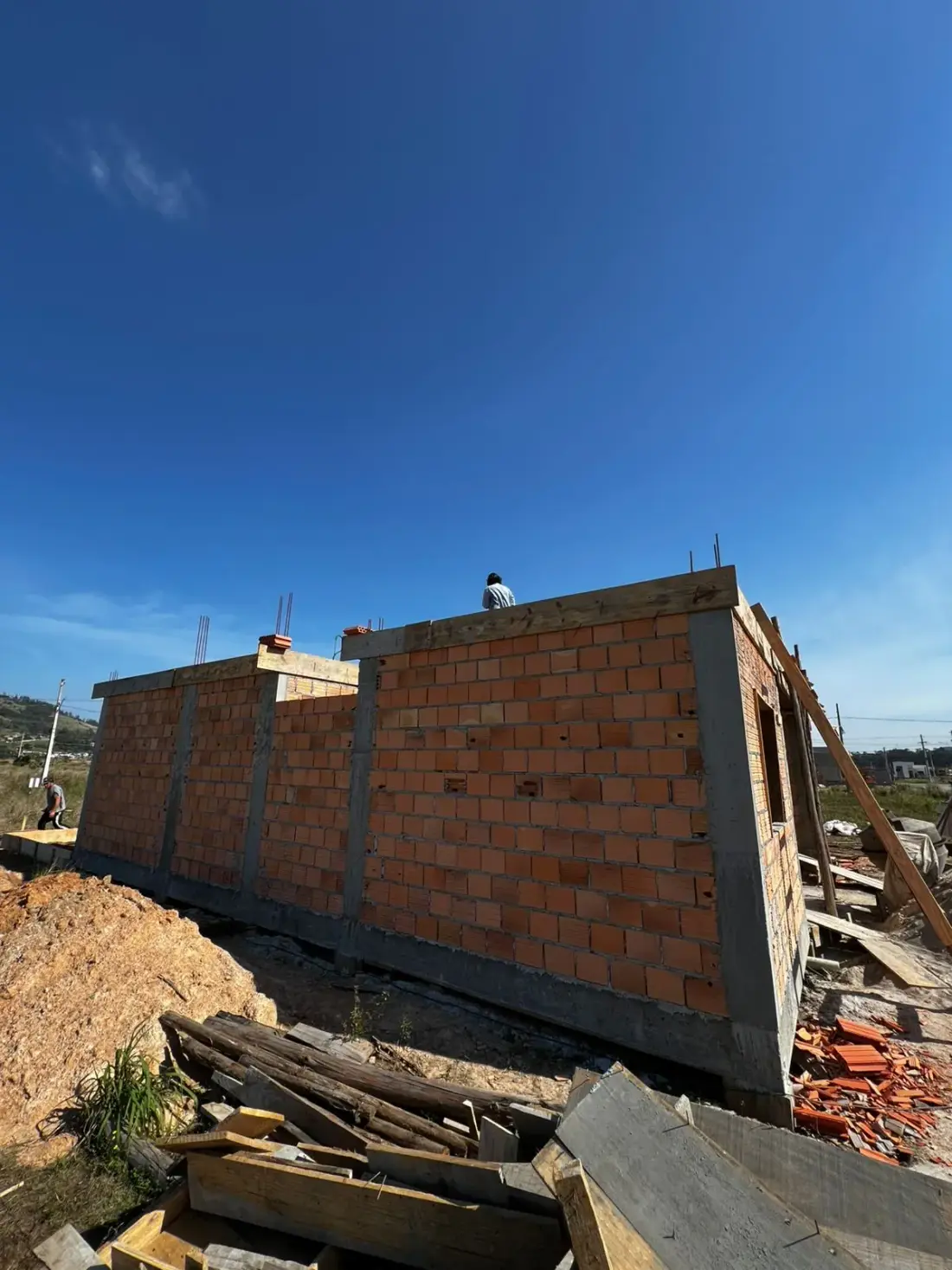
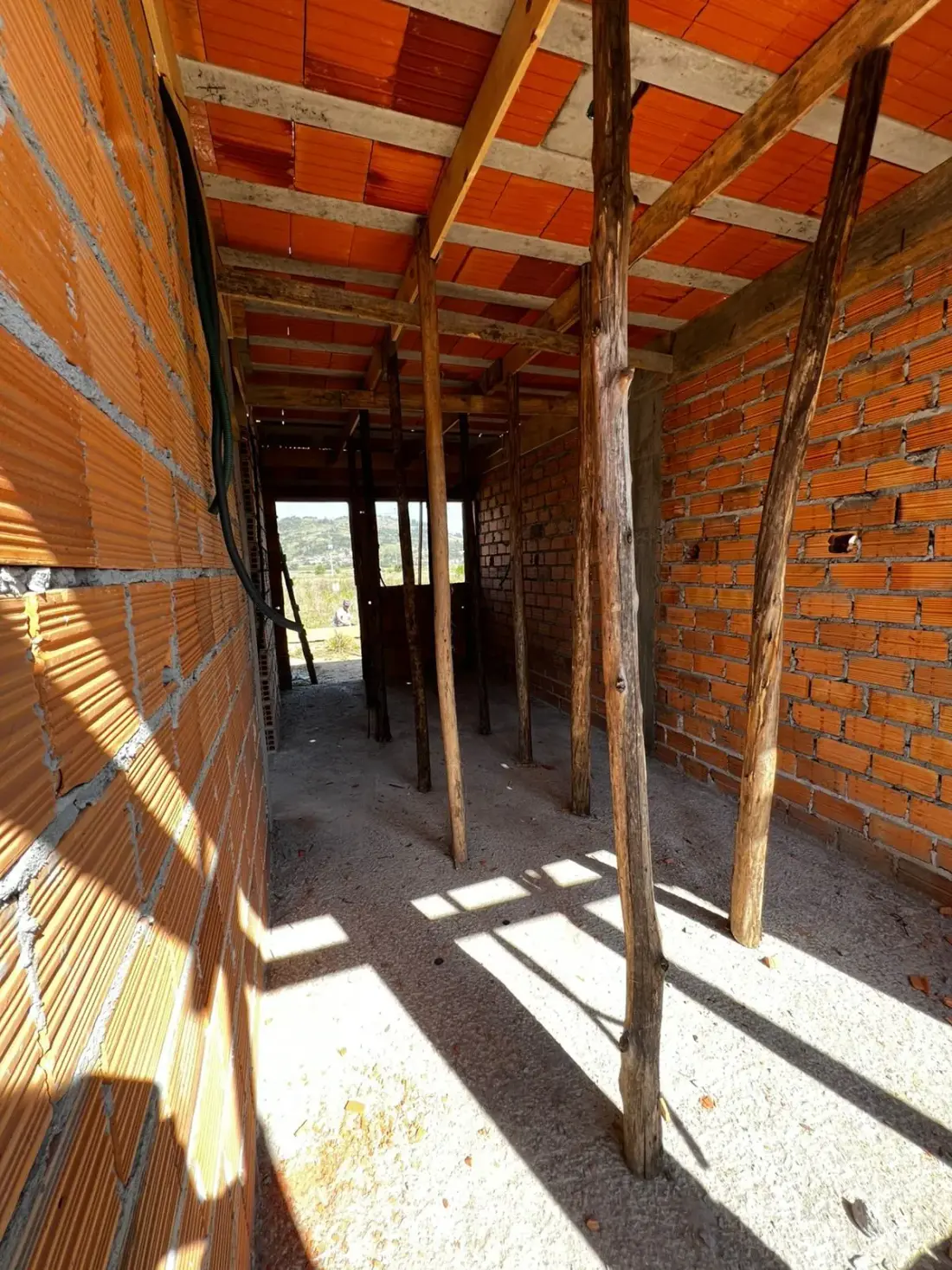
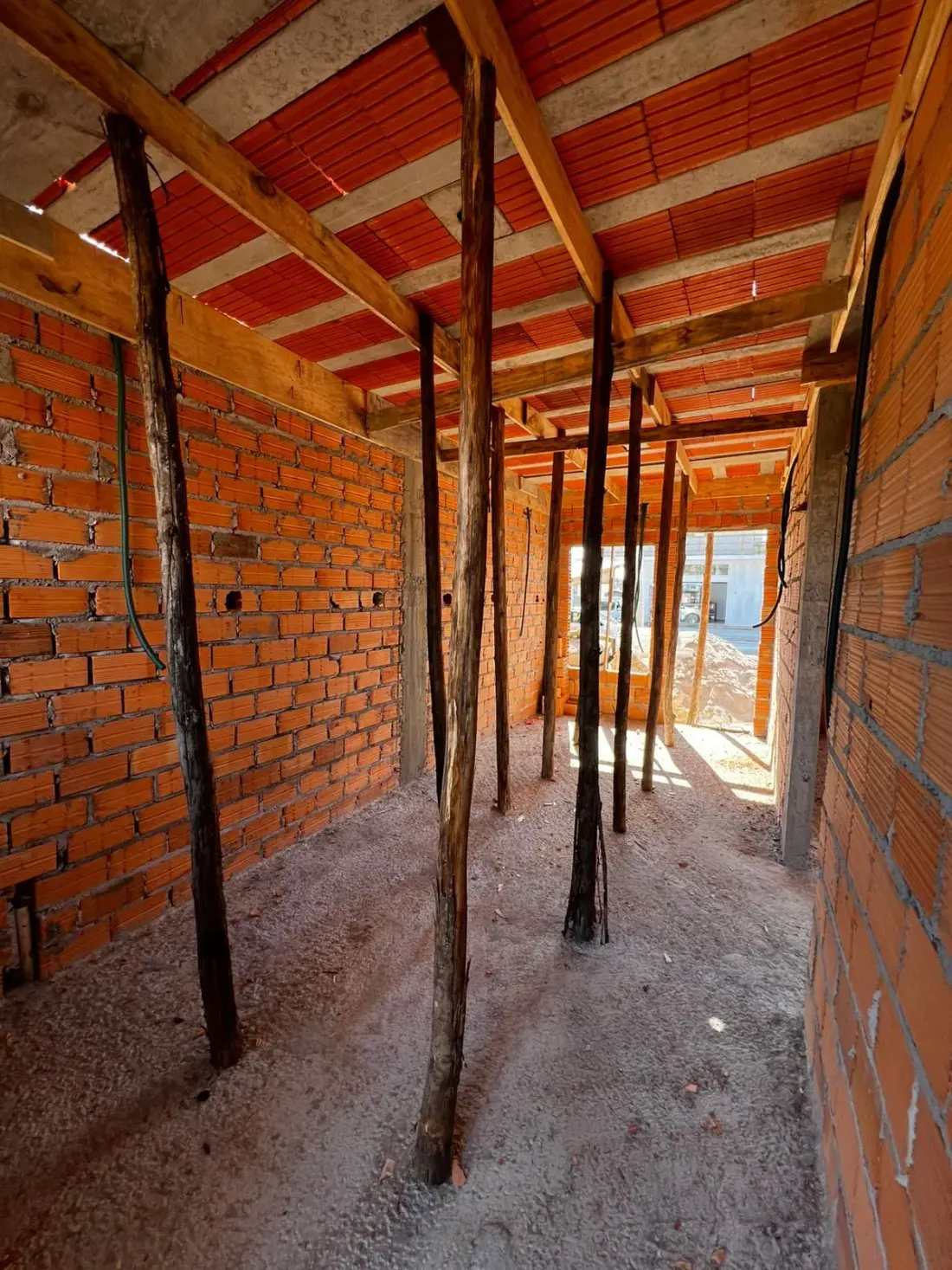
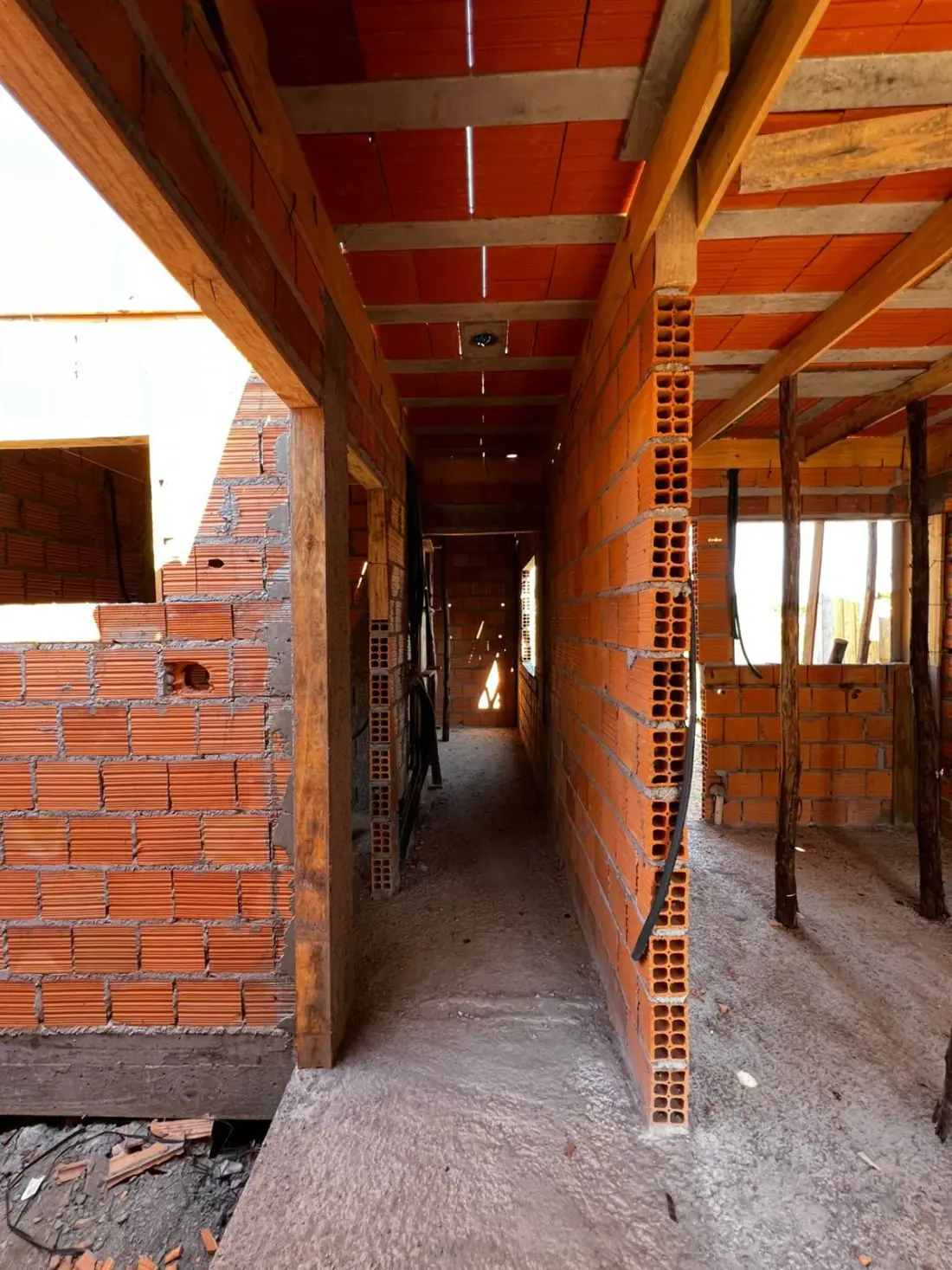
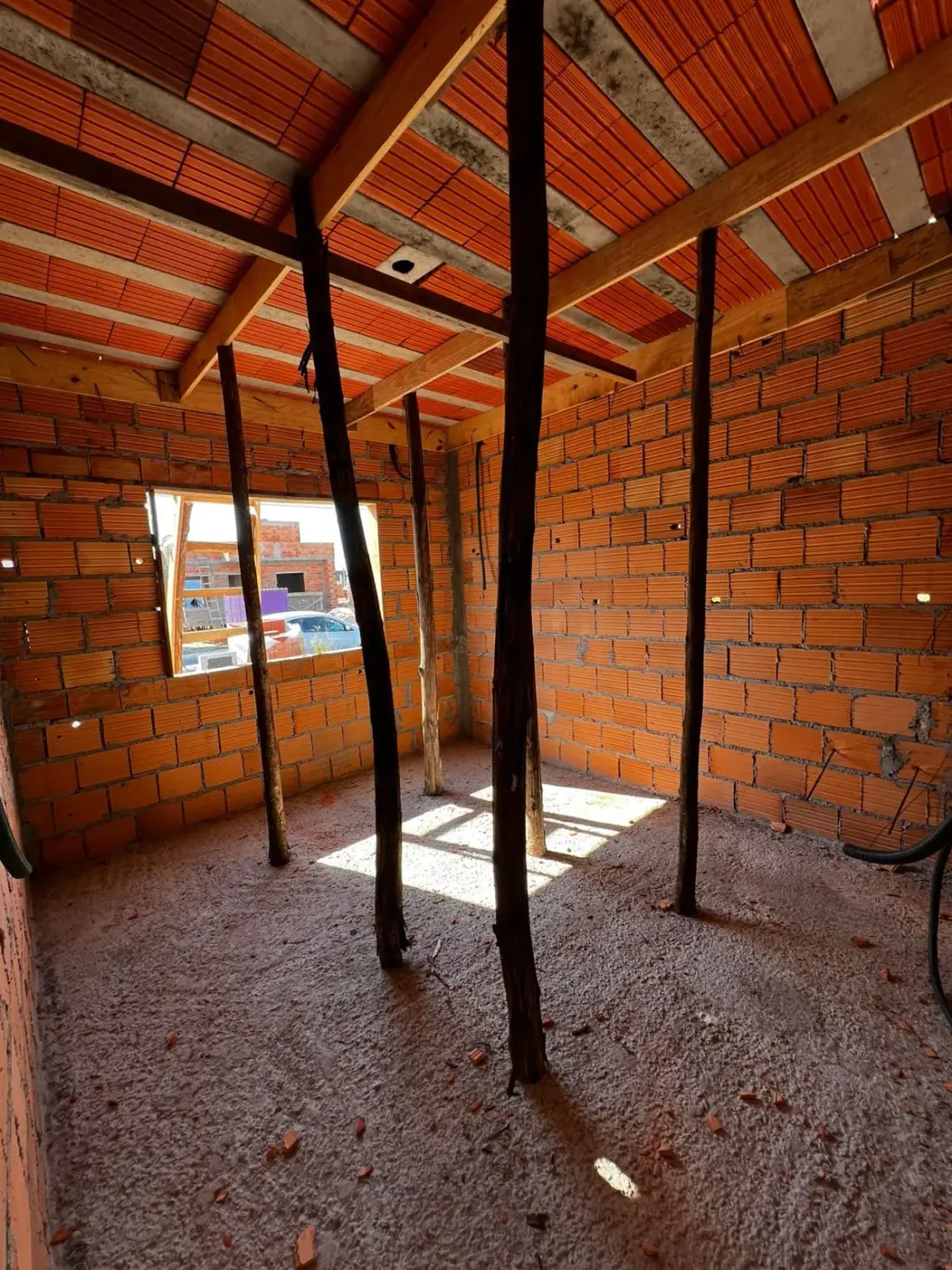
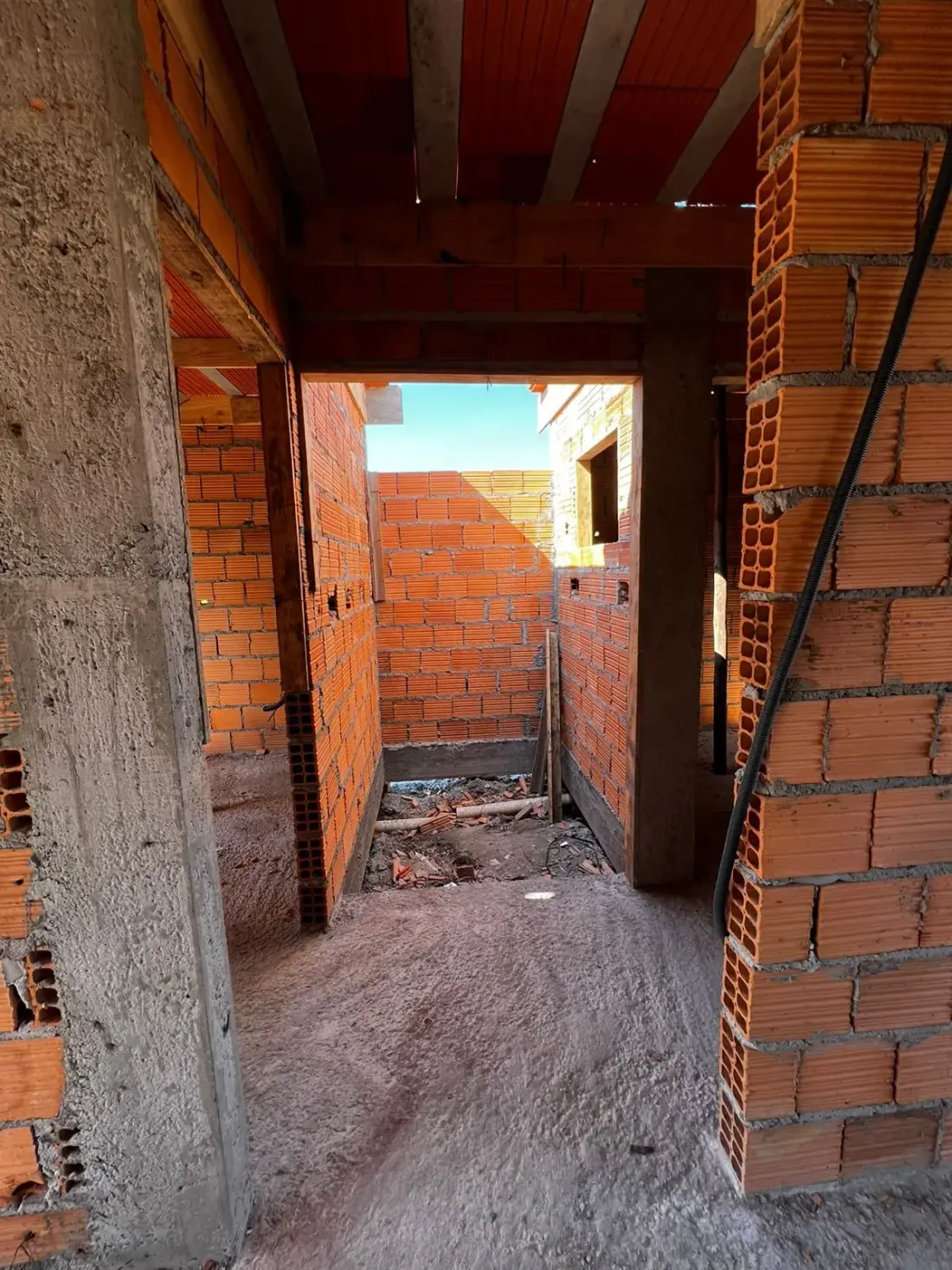
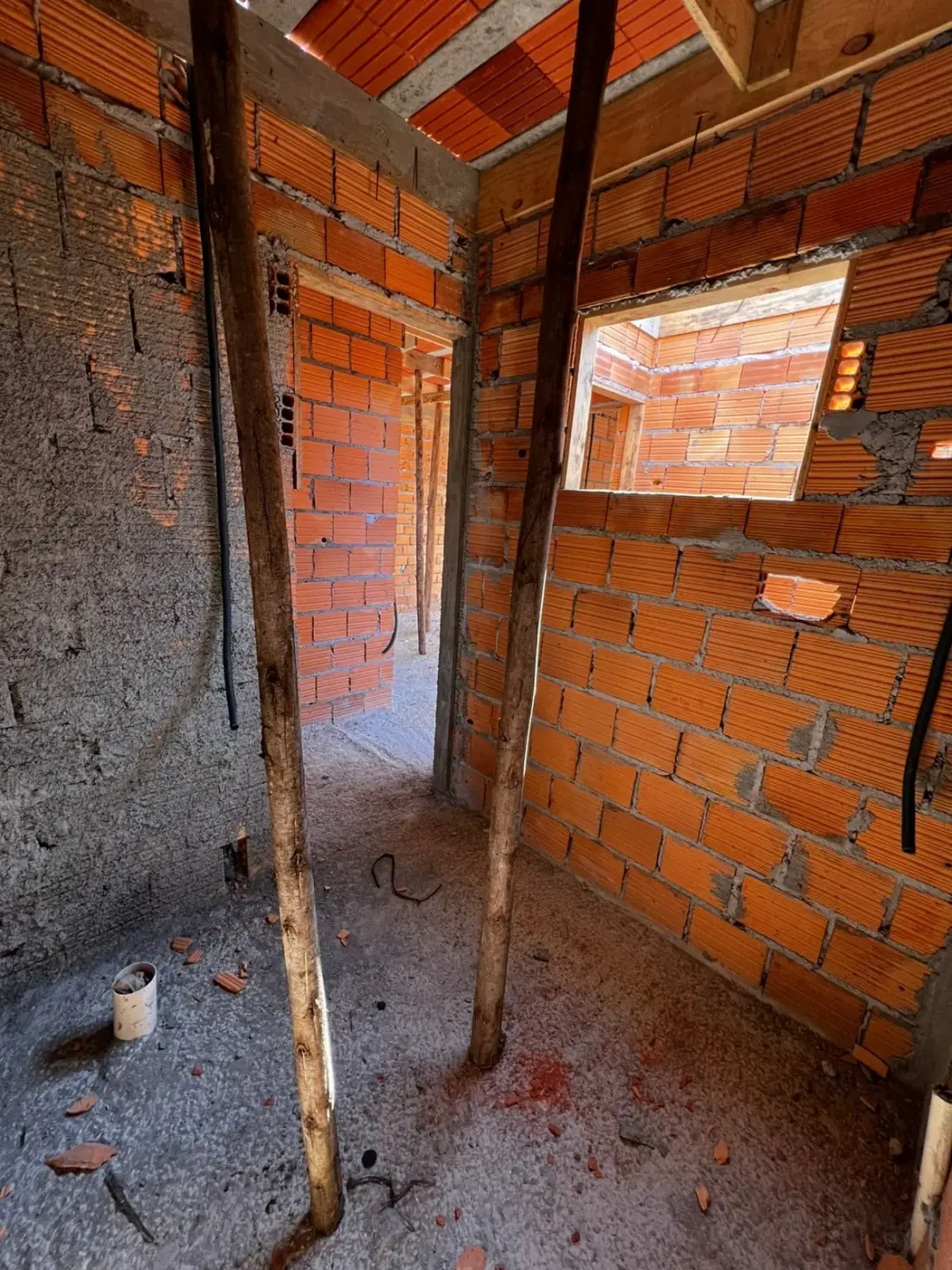

Plantas e valores
2 quartos
50,84 m² de área construída
a partir de R$ 345.000
Valores e metragens conforme o material de divulgação.
Sobre a casa
Casa de 2 quartos, com sala, cozinha e banheiro, em Vila dos Araçás, Tubarão. 50,84 m² de área construída em terreno de 126 m². Acabamento de qualidade. Entrega prevista para 11/2026.
O que a casa oferece
Financiamento pelo Minha Casa Minha Vida
Próximo passo
Descubra em minutos se este imóvel cabe no seu orçamento.
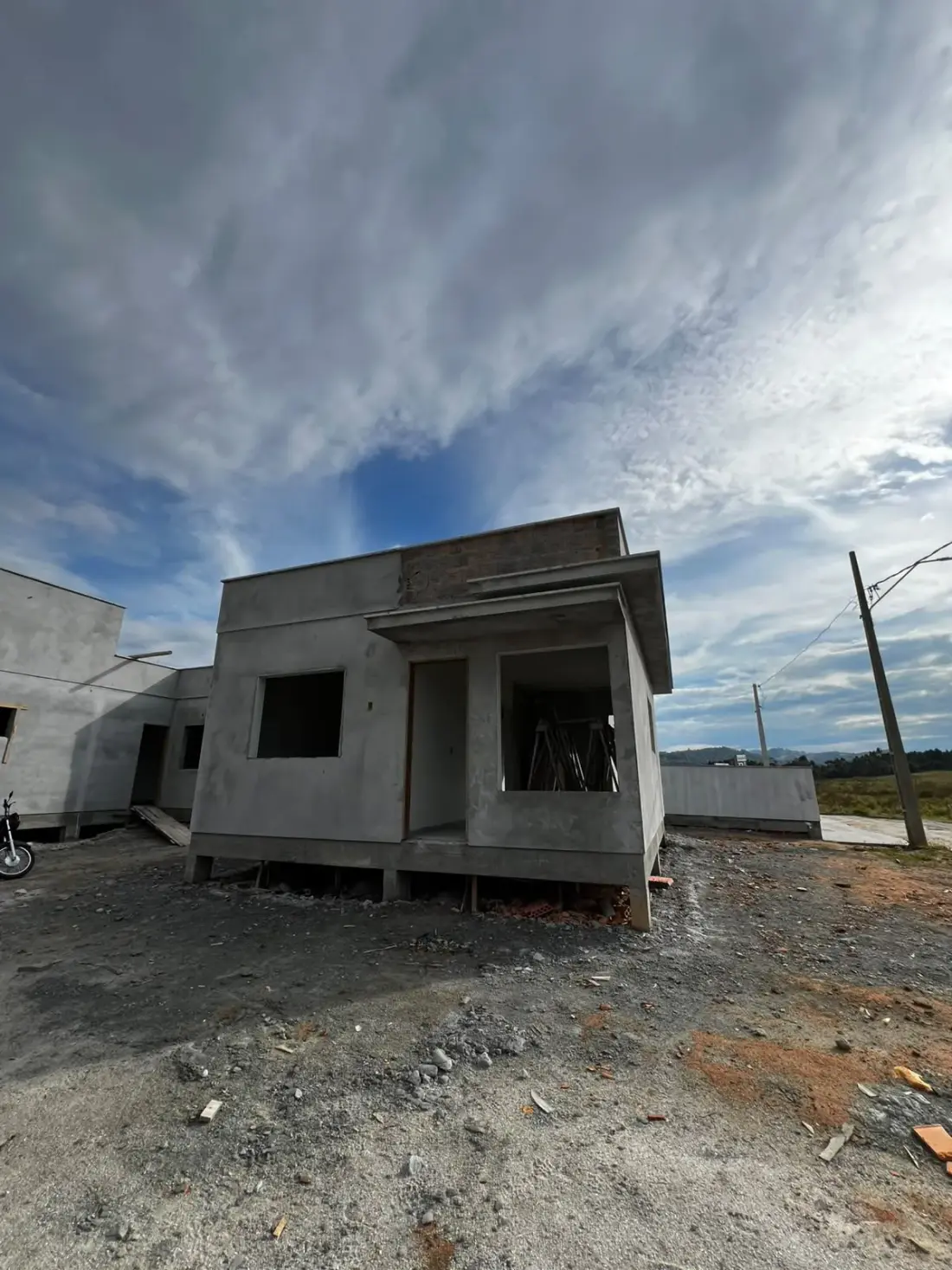
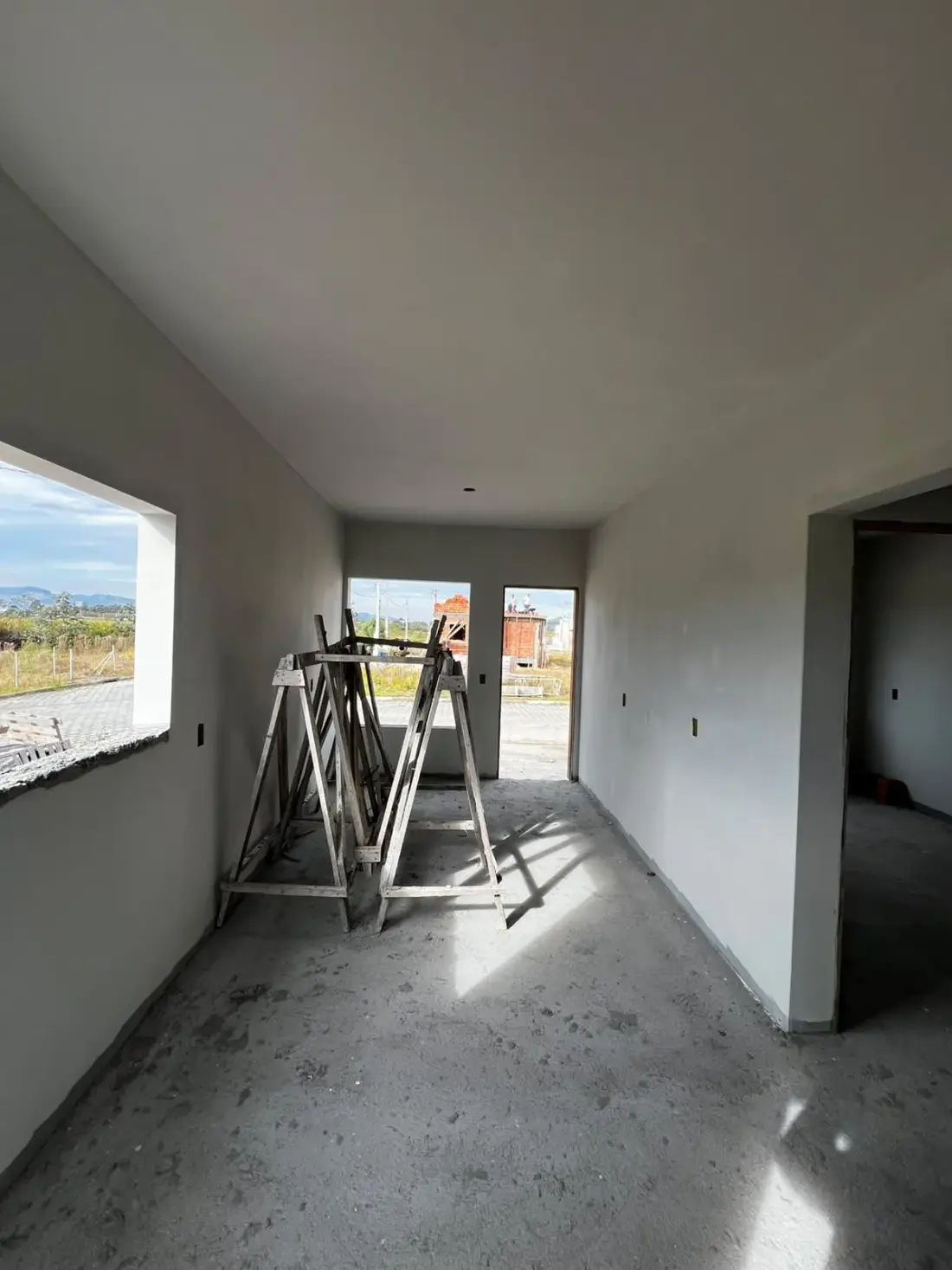
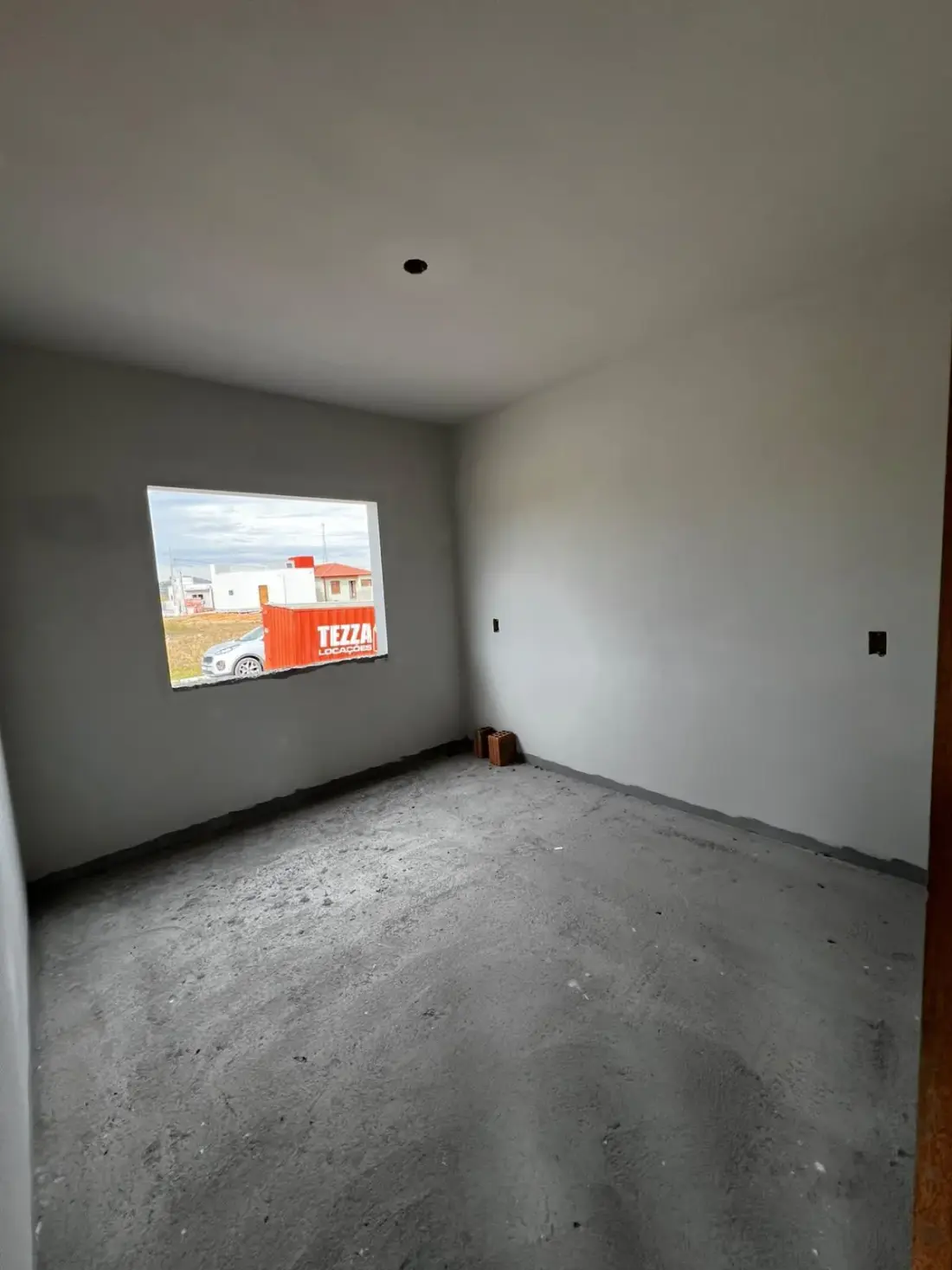
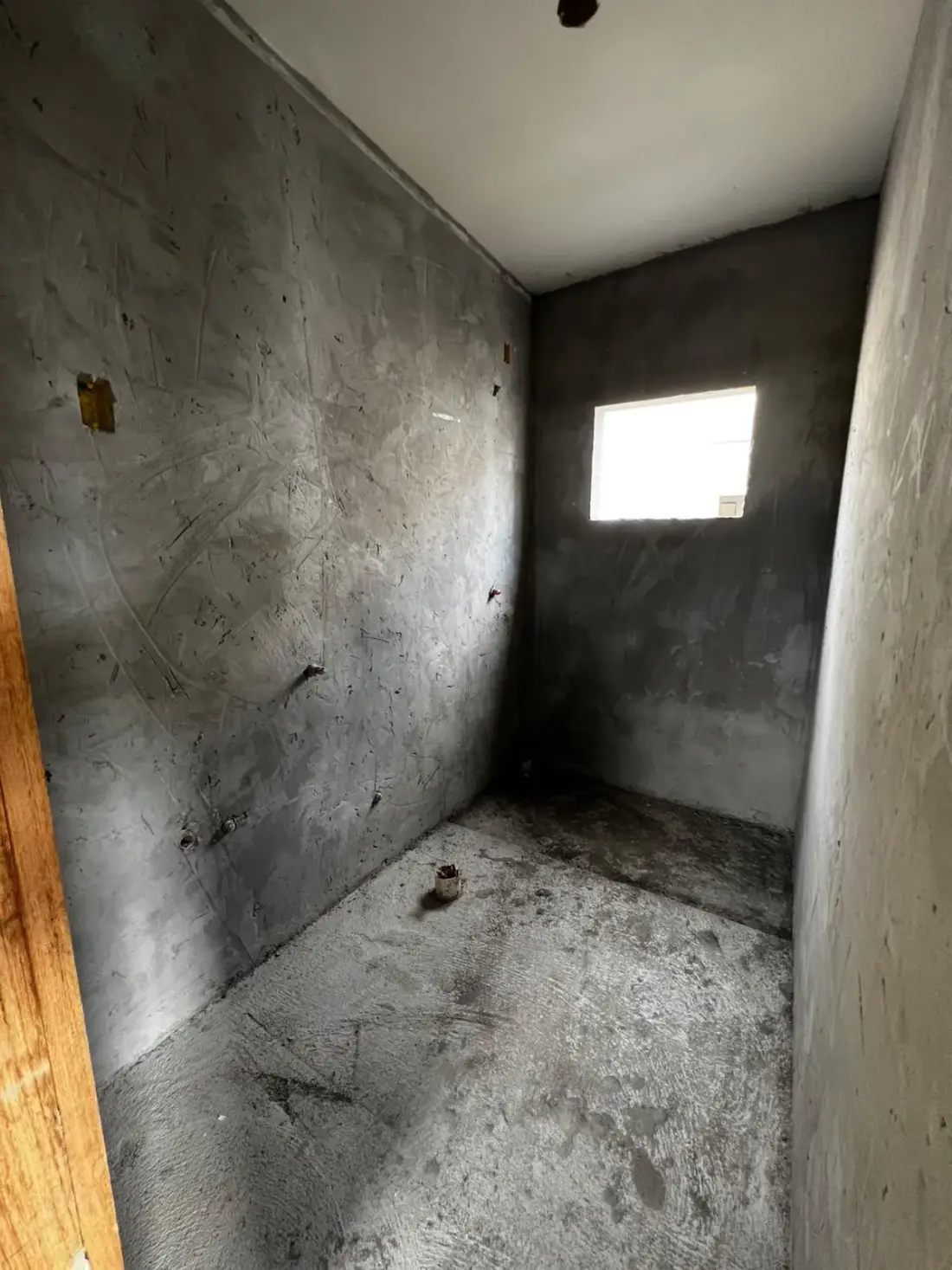
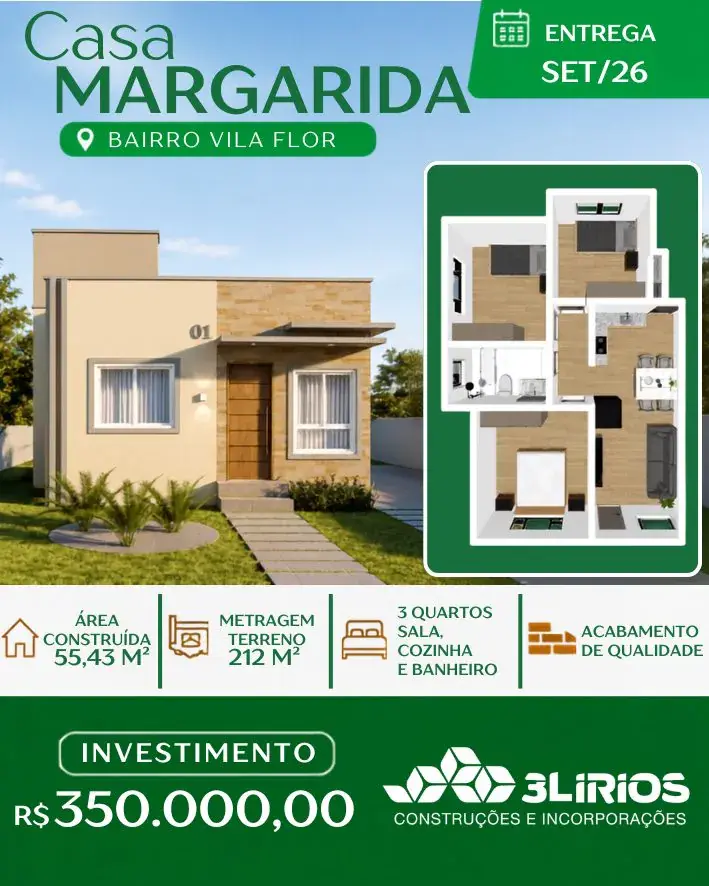
Casa Margarida
Capivari de Baixo — Vila Flor
Plantas e valores
3 quartos
55,43 m² de área construída
a partir de R$ 350.000
Valores e metragens conforme o material de divulgação.
Sobre a casa
Casa de 3 quartos, com sala, cozinha e banheiro, em Vila Flor, Capivari de Baixo. 55,43 m² de área construída em terreno de 212 m². Acabamento de qualidade. Entrega prevista para 09/2026.
O que a casa oferece
Financiamento pelo Minha Casa Minha Vida
Próximo passo
Descubra em minutos se este imóvel cabe no seu orçamento.
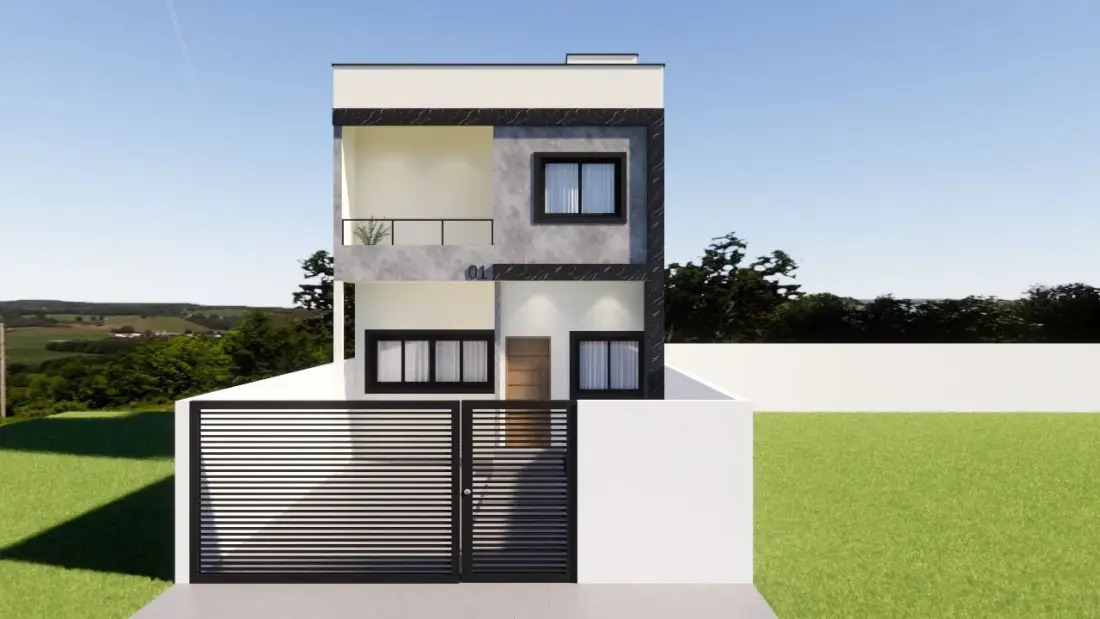
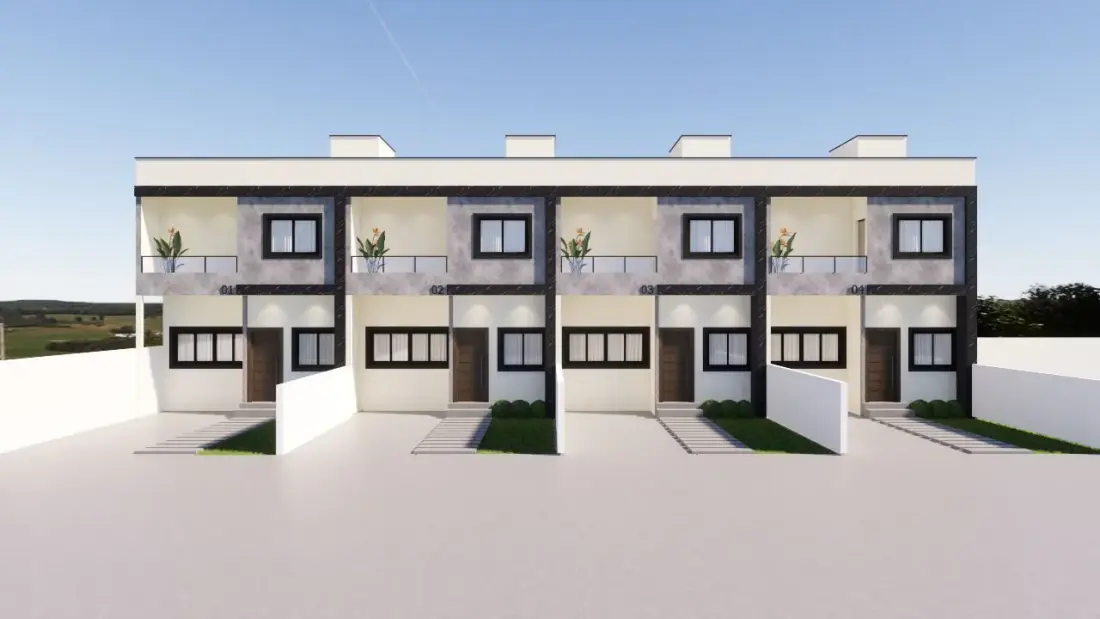
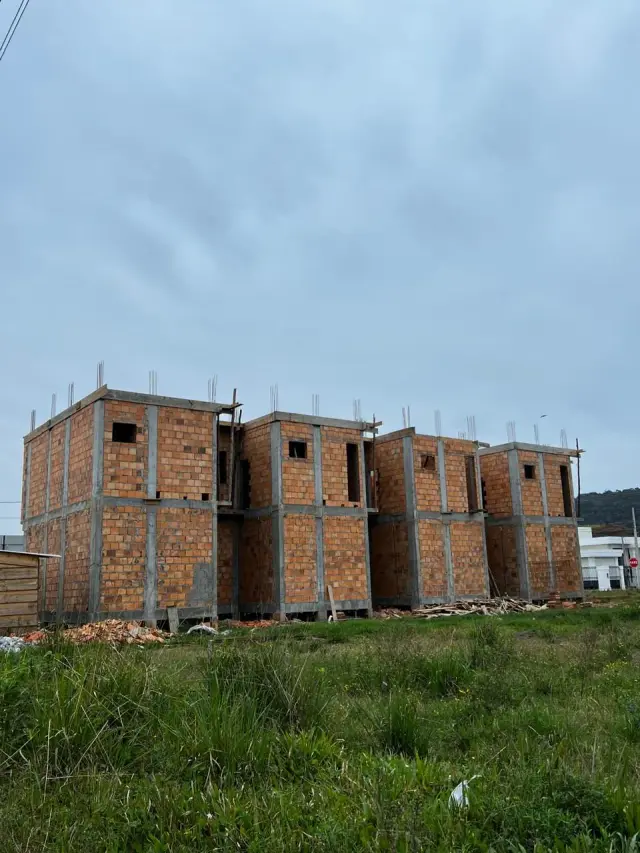
Sobrados Vale de Jasmin
Tubarão — Loteamento Silvestre
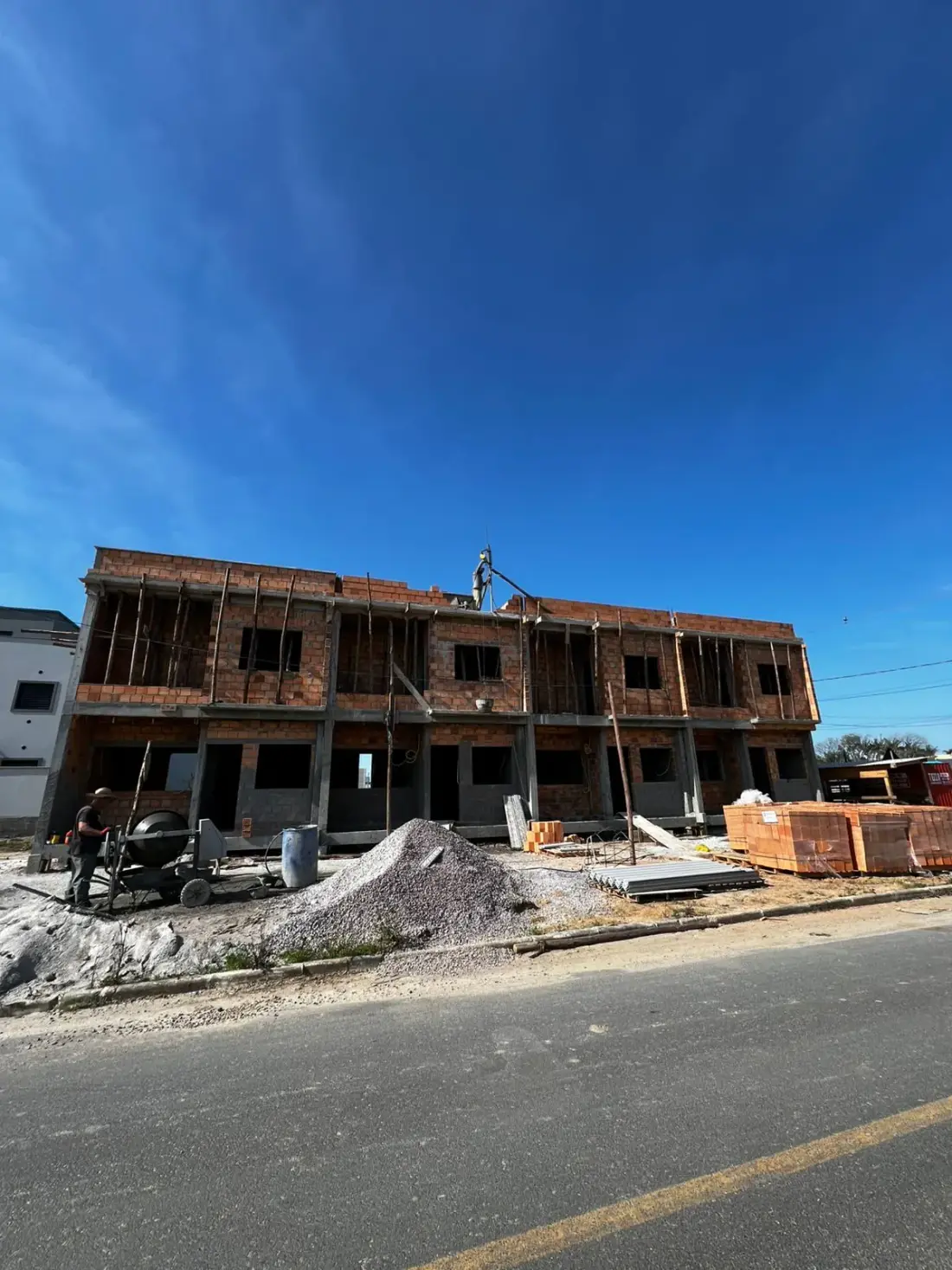
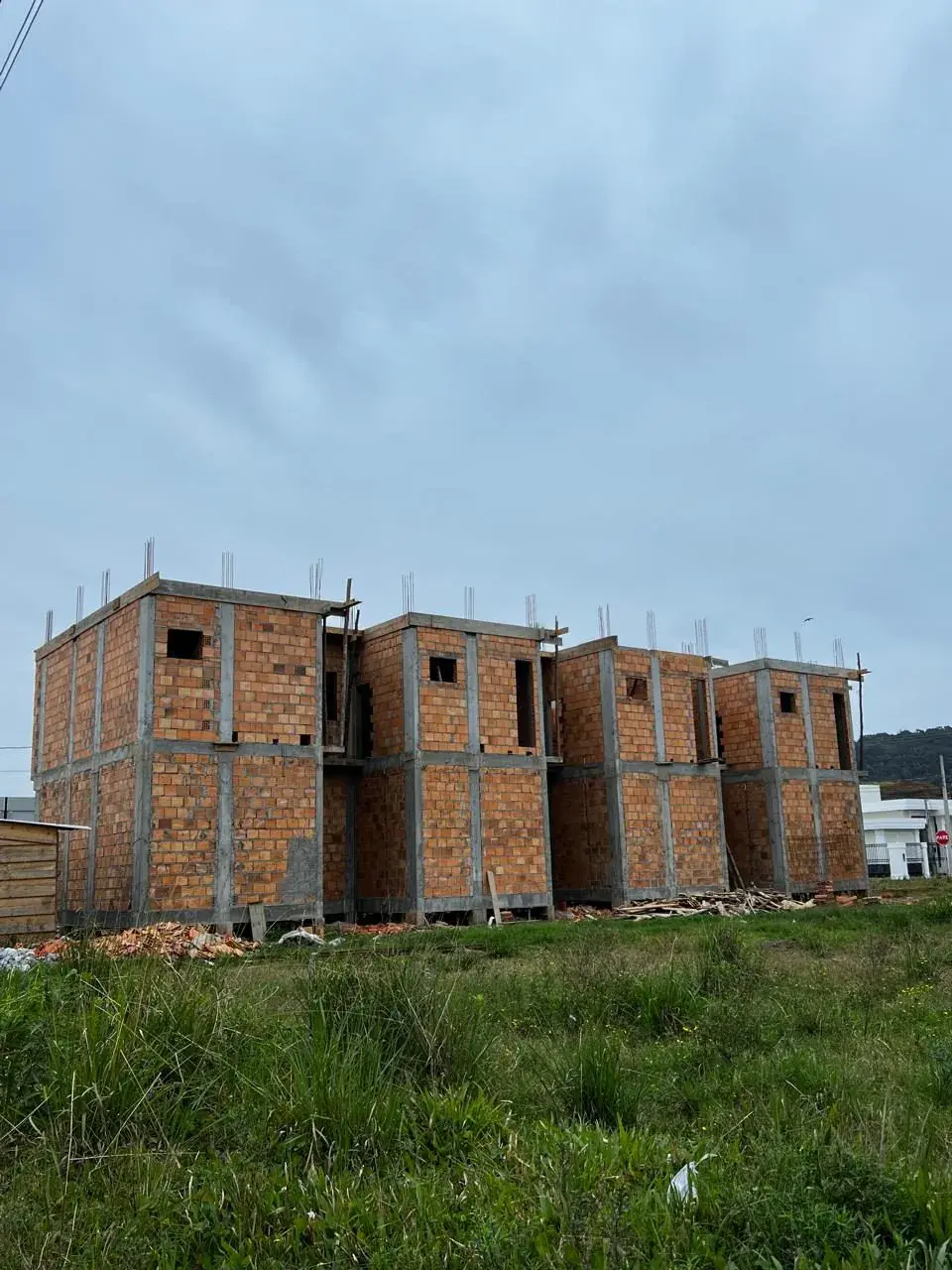
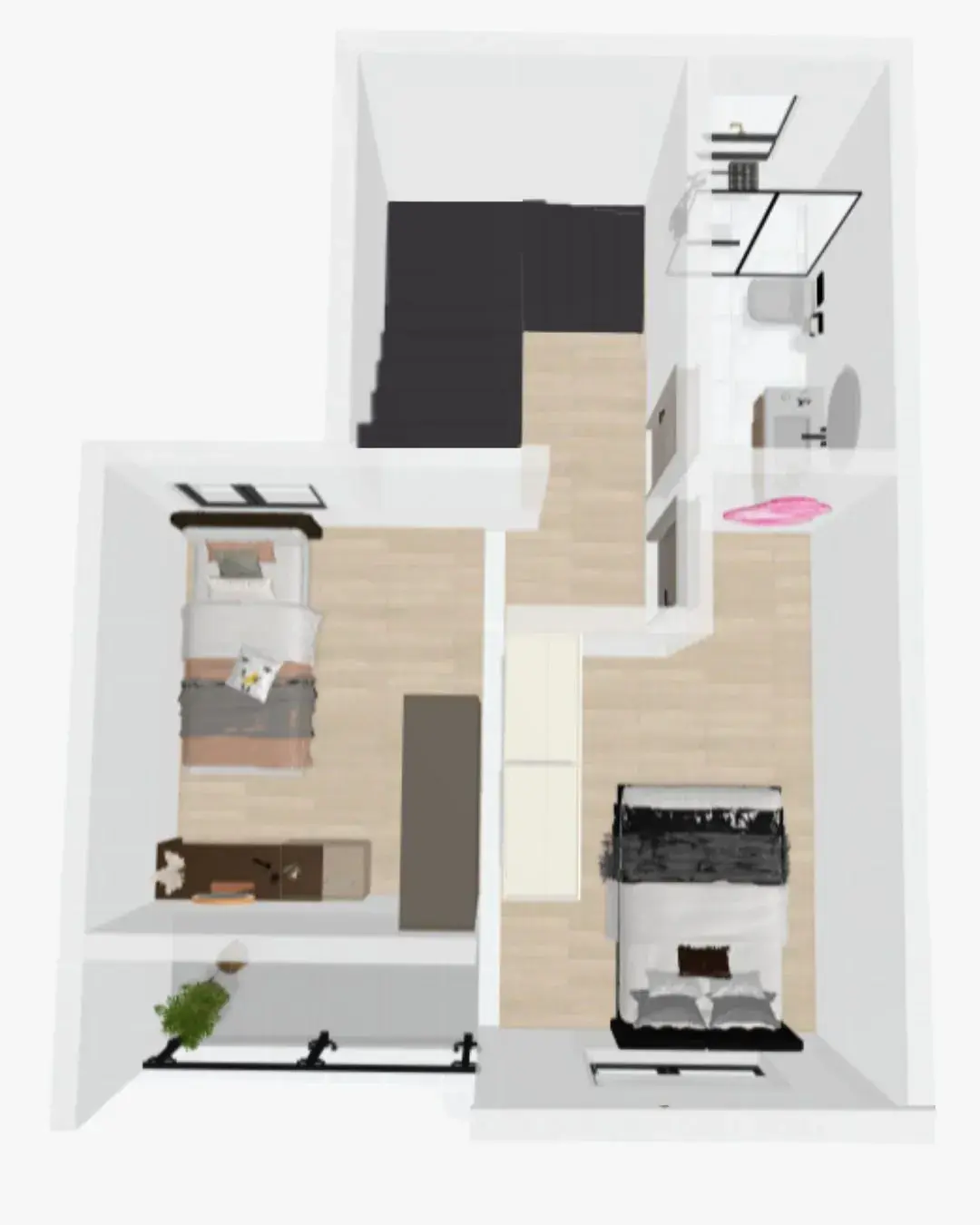
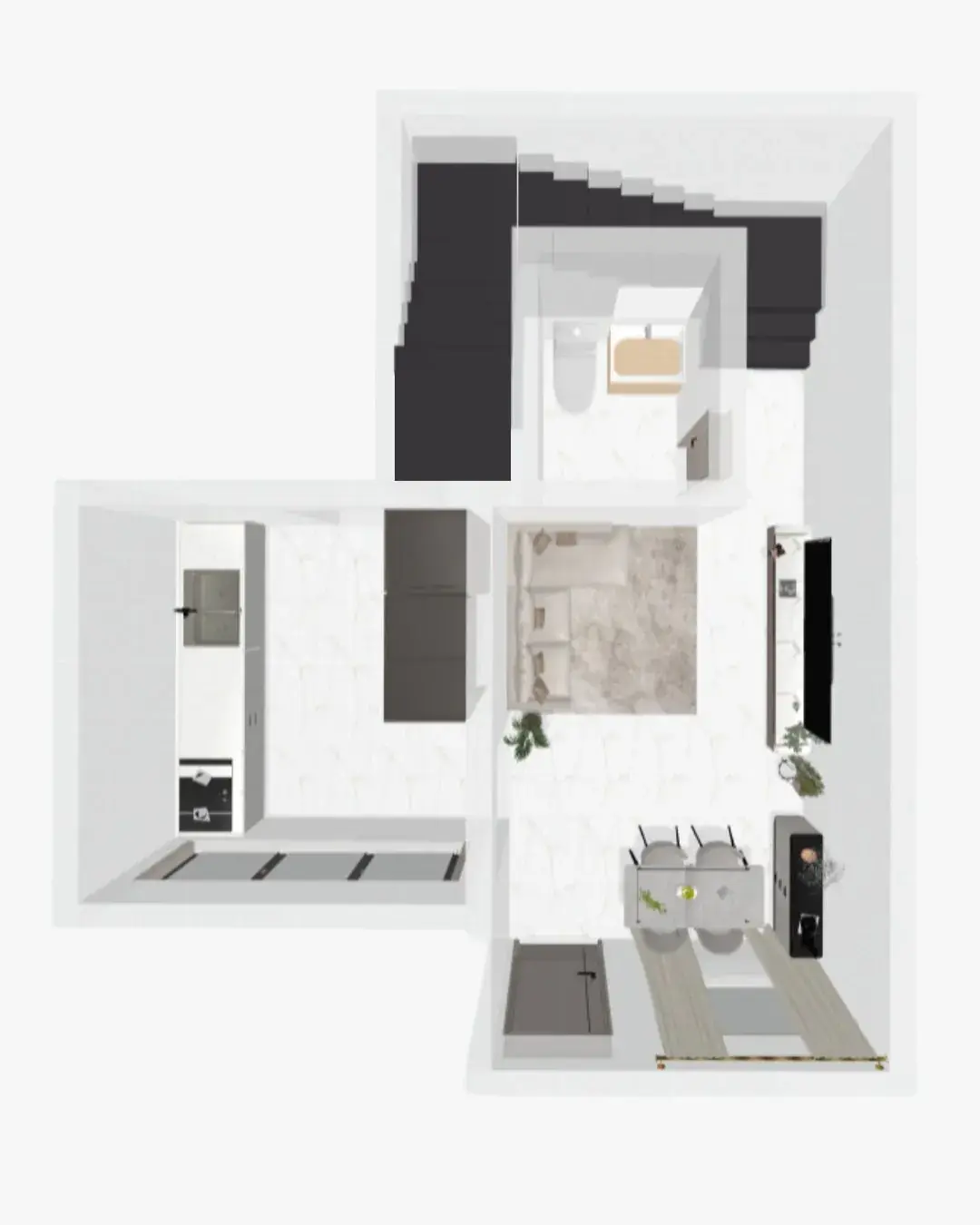
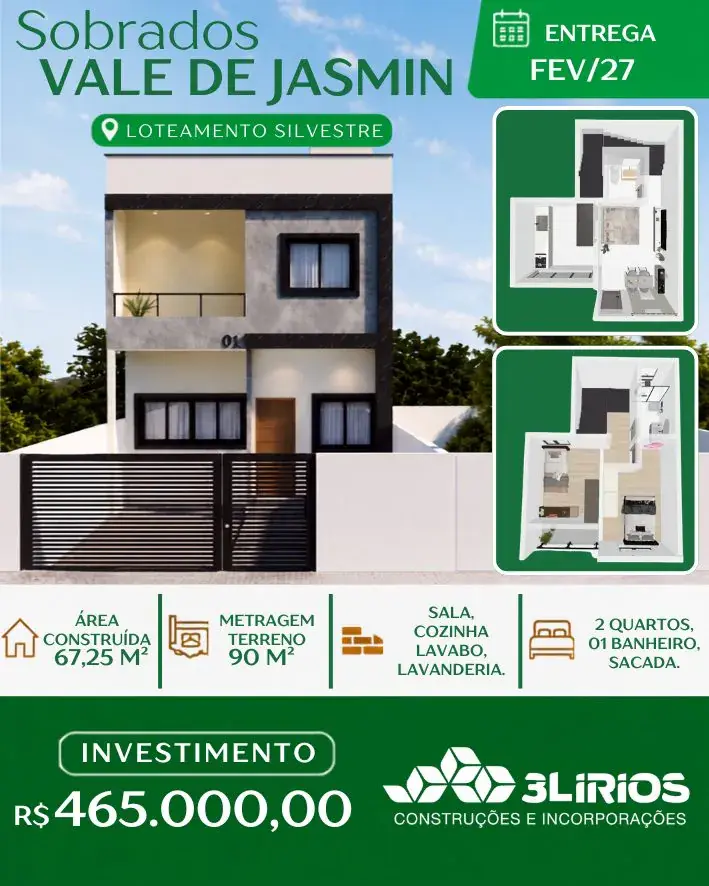
Plantas e valores
2 quartos
67,25 m² de área construída
a partir de R$ 465.000
Valores e metragens conforme o material de divulgação.
Sobre a casa
Sobrado de 2 quartos, com sala, cozinha, lavabo, lavanderia, 1 banheiro e sacada, em Loteamento Silvestre, Tubarão. 67,25 m² de área construída em terreno de 90 m². Localizado no Loteamento Silvestre. Entrega prevista para 02/2027.
O que a casa oferece
Financiamento pelo Minha Casa Minha Vida
Próximo passo
Descubra em minutos se este imóvel cabe no seu orçamento.
Área do Parceiro
Olá, parceiro
O essencial para vender os empreendimentos da 3 Lírios pelo Minha Casa Minha Vida — sem rodeios.
Também disponível
Área do Parceiro
Materiais de venda
Plantas, tabelas e peças de divulgação prontas para enviar ao cliente. Escolha um empreendimento para ver os materiais dele.
Por empreendimento
Escolha uma casa para ver as fotos, renders e peças de divulgação dela.
7 empreendimentos
Área do Parceiro · Materiais por empreendimento
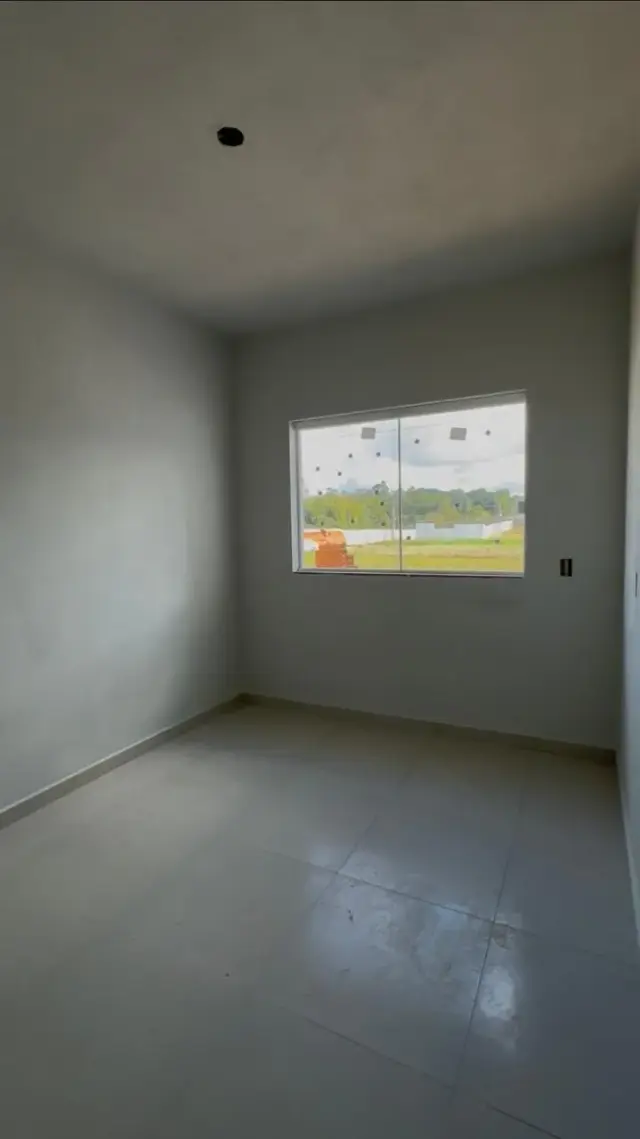
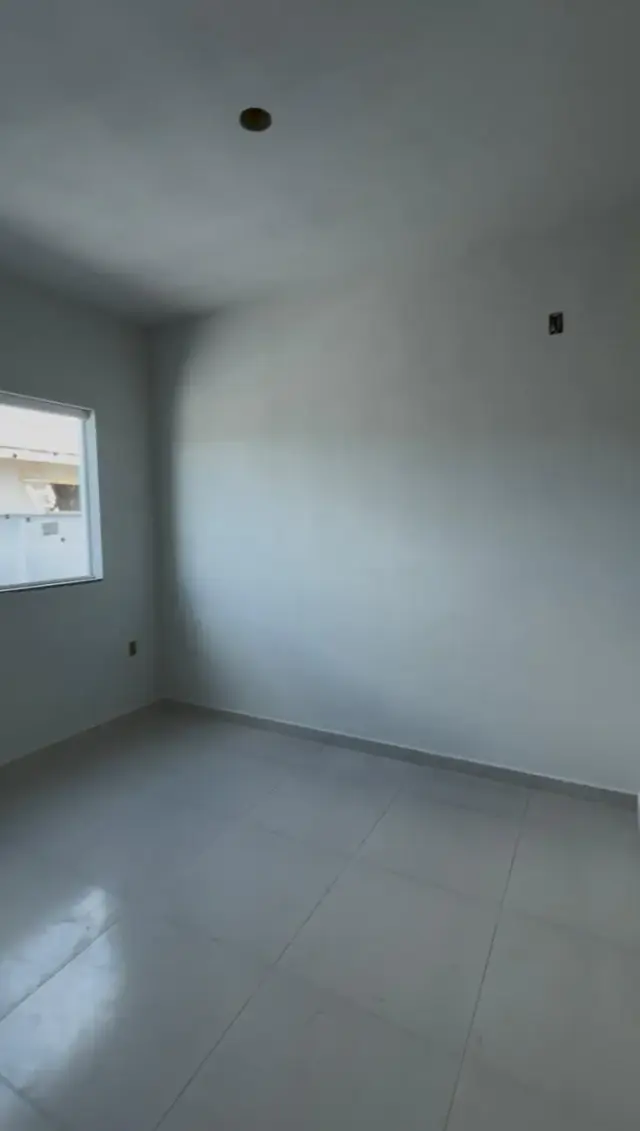
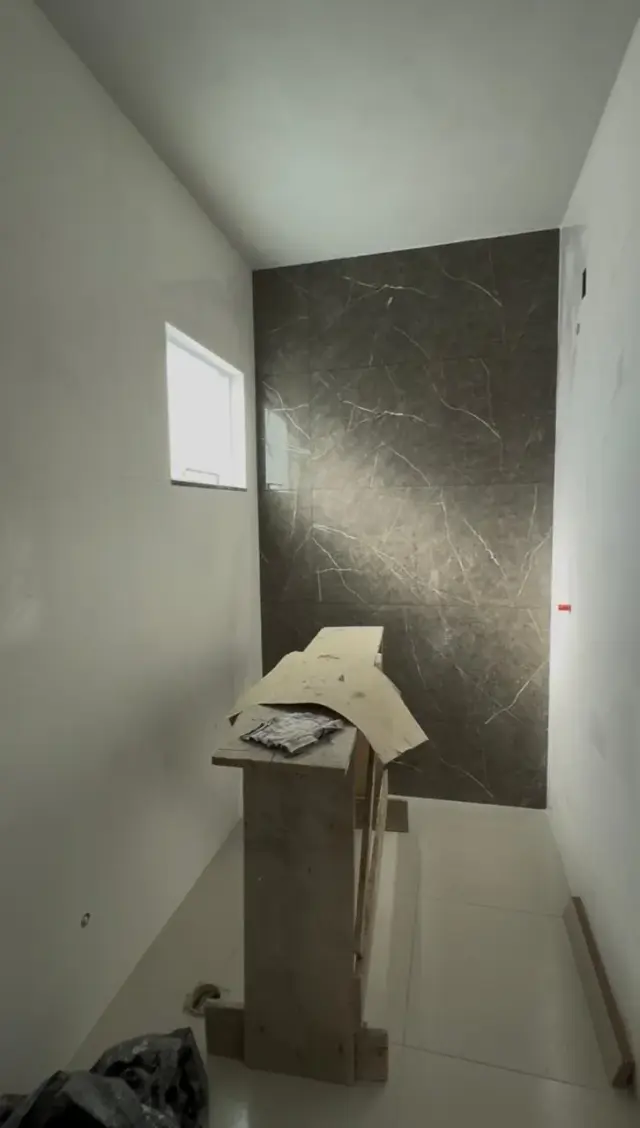
Casa Magnólia
Pescaria Brava — Nova Pescaria
Fotos 6
Área do Parceiro · Materiais por empreendimento
Casa Orquídea
Capivari de Baixo — Vila Flor
Fotos 4
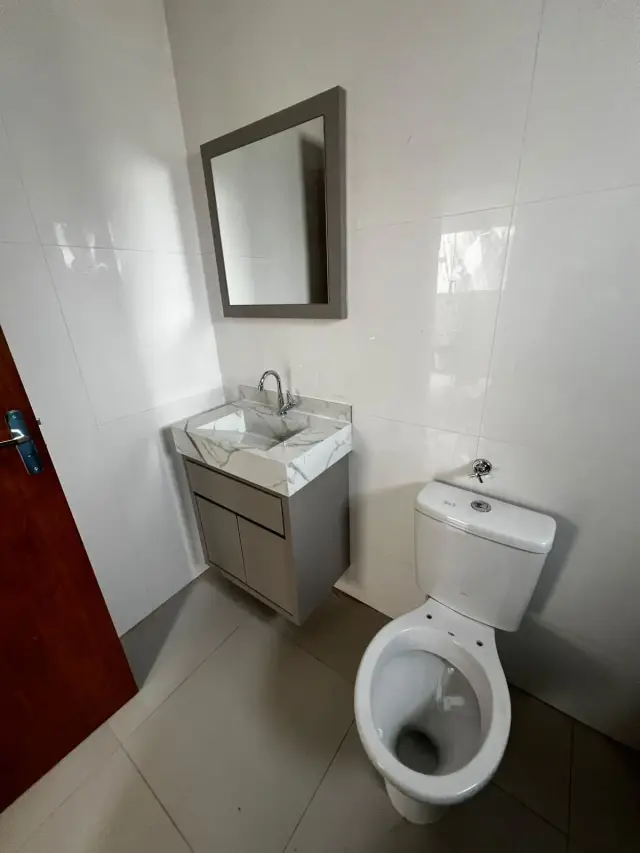
Área do Parceiro · Materiais por empreendimento
Casa Ipê
Capivari de Baixo — Vila Flor
Fotos 4
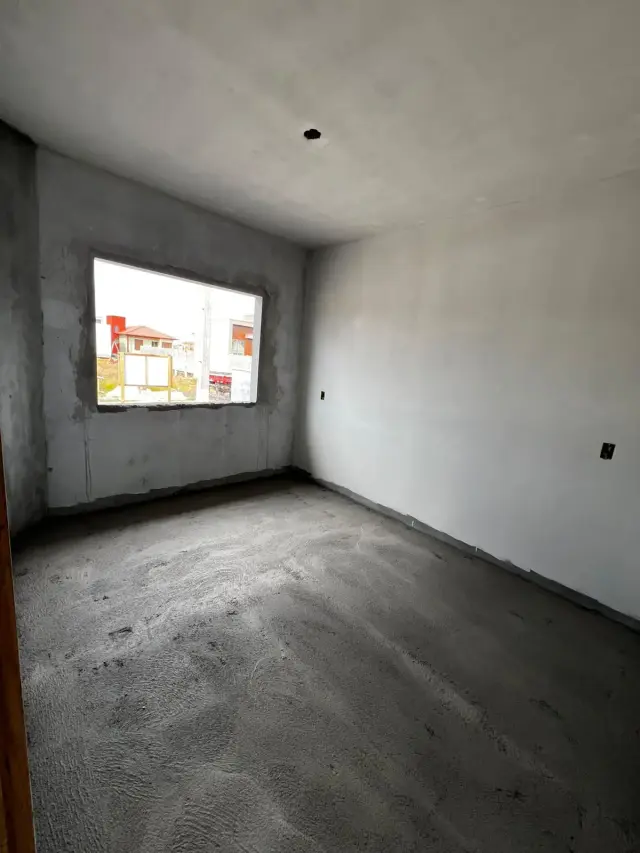
Área do Parceiro · Materiais por empreendimento
Casa Flora
Pescaria Brava — Nova Pescaria
Fotos 6
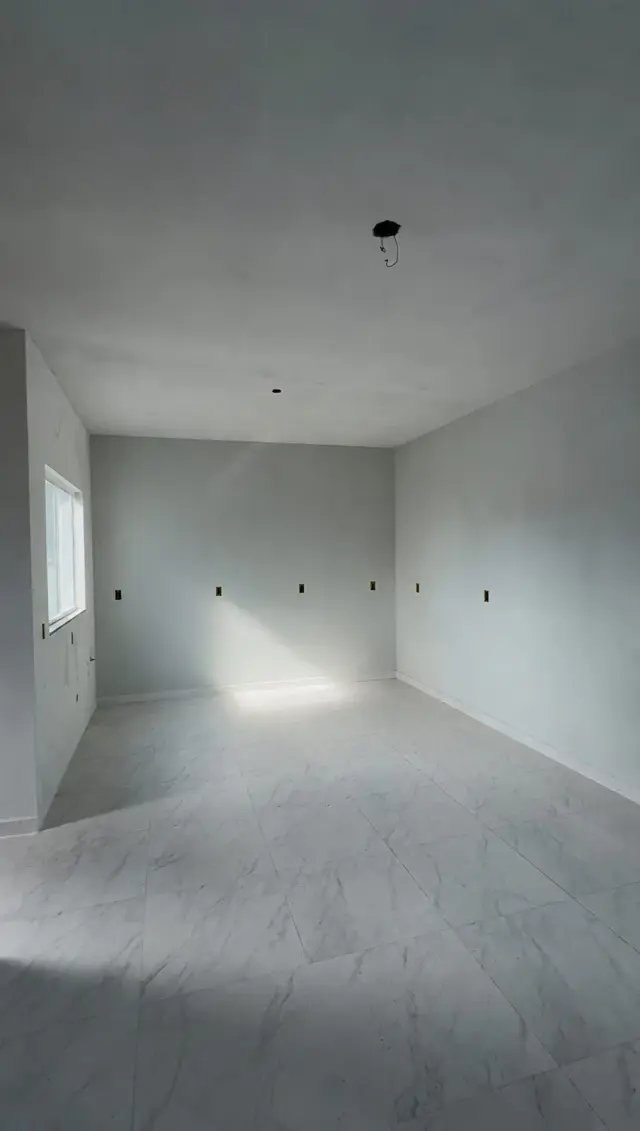
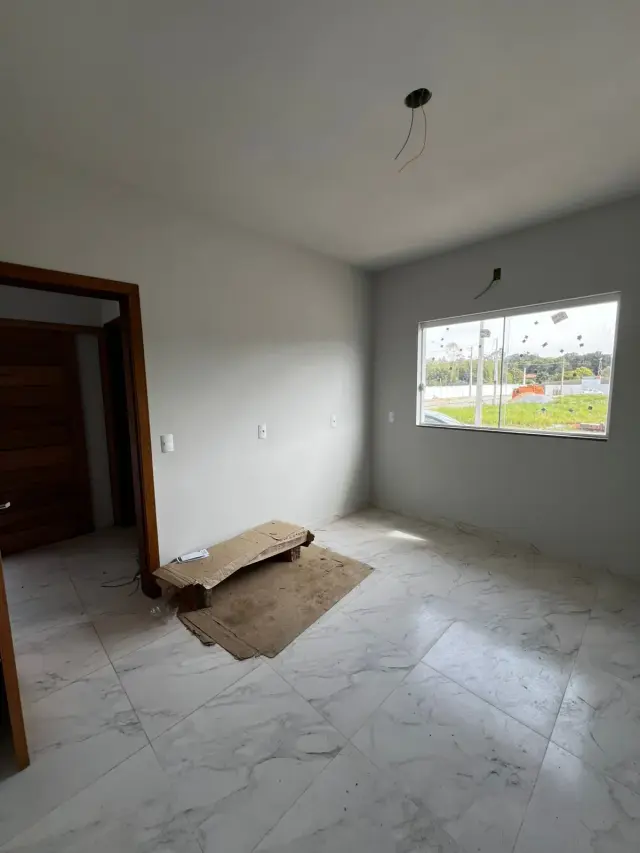
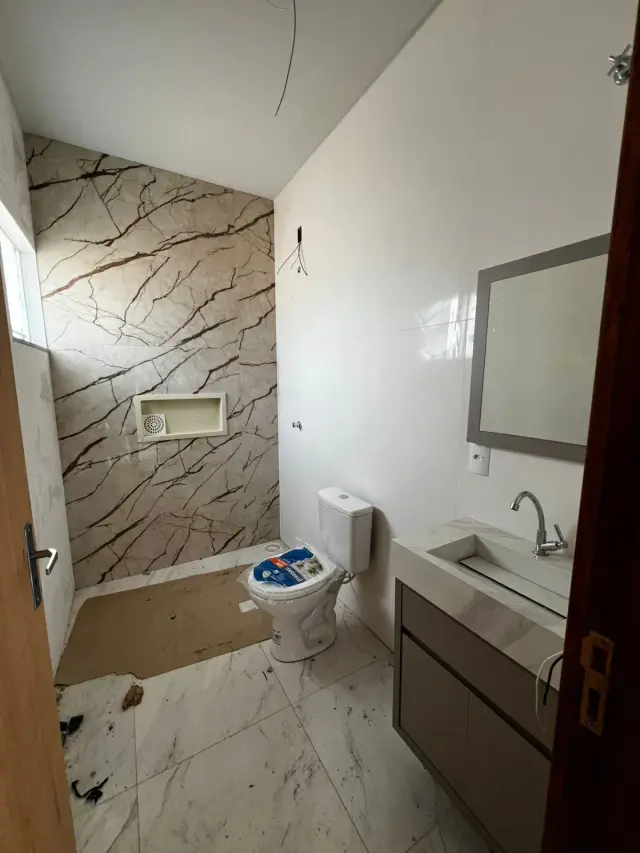
Área do Parceiro · Materiais por empreendimento
Casa Peônia
Tubarão — Vila dos Araçás
Renders 4
Render ilustrativoRender ilustrativoRender ilustrativo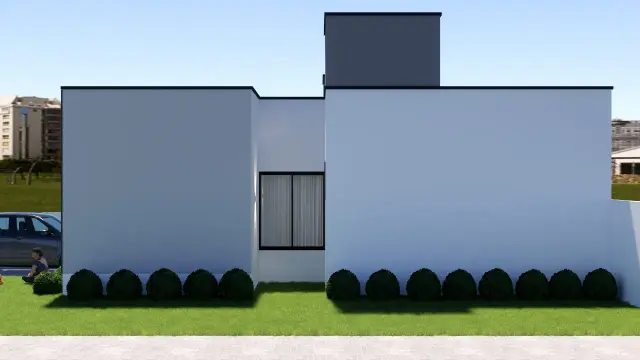 Render ilustrativo
Fotos 9
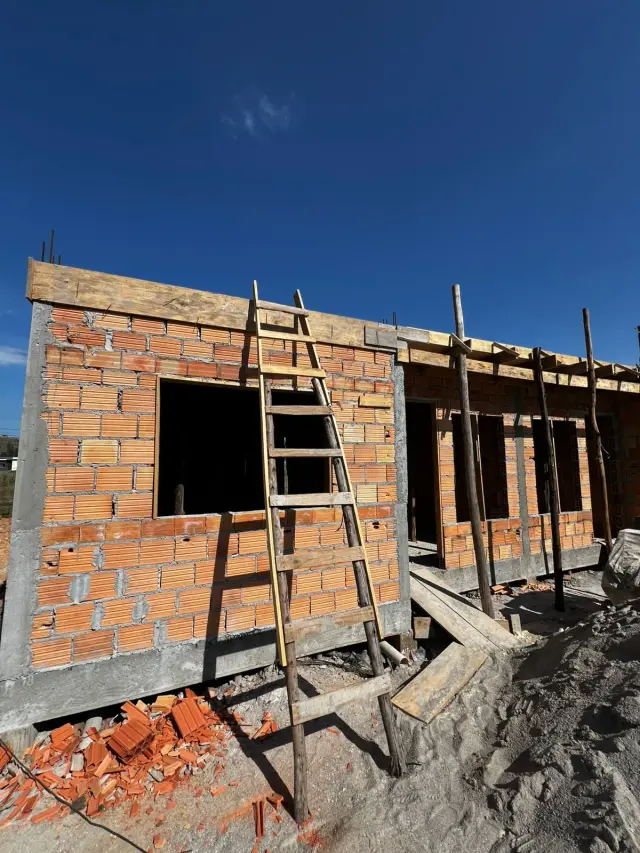
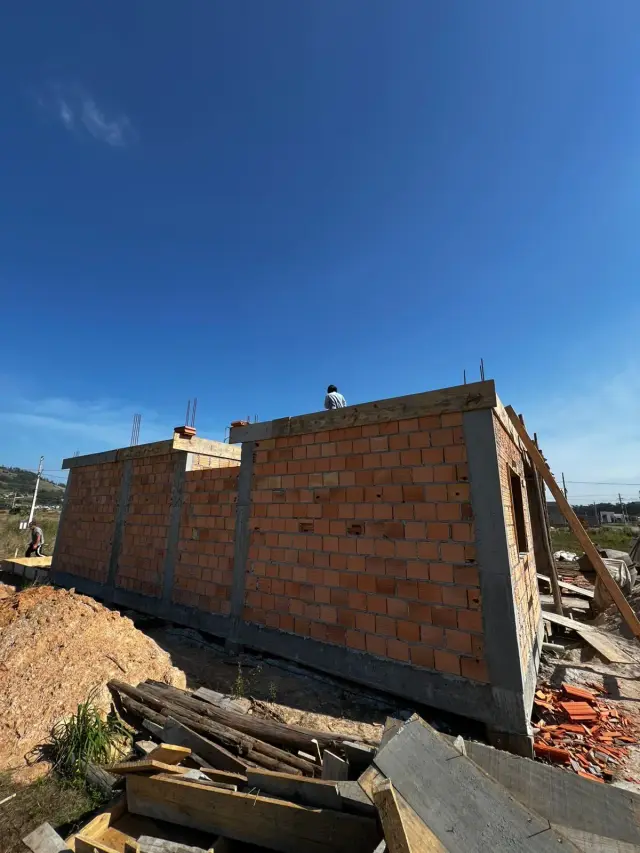
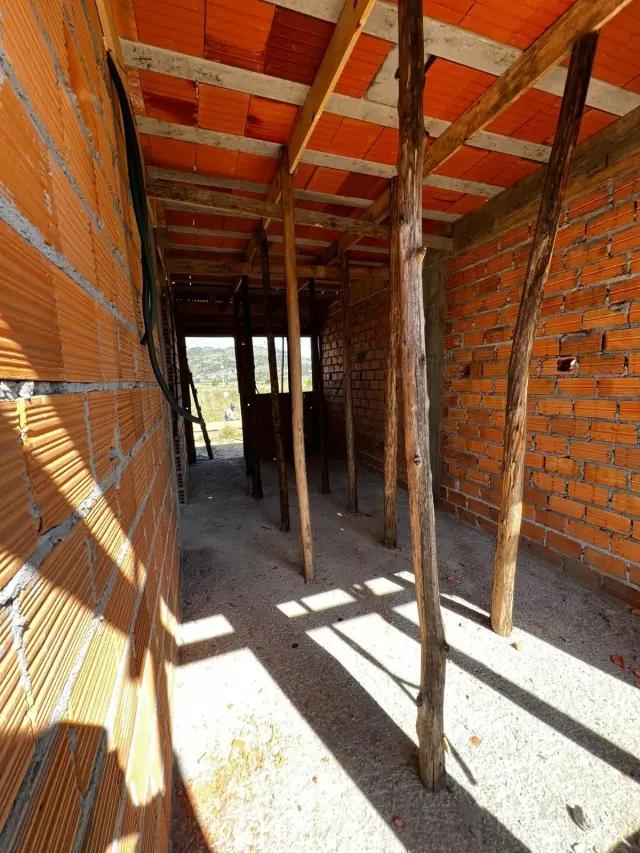
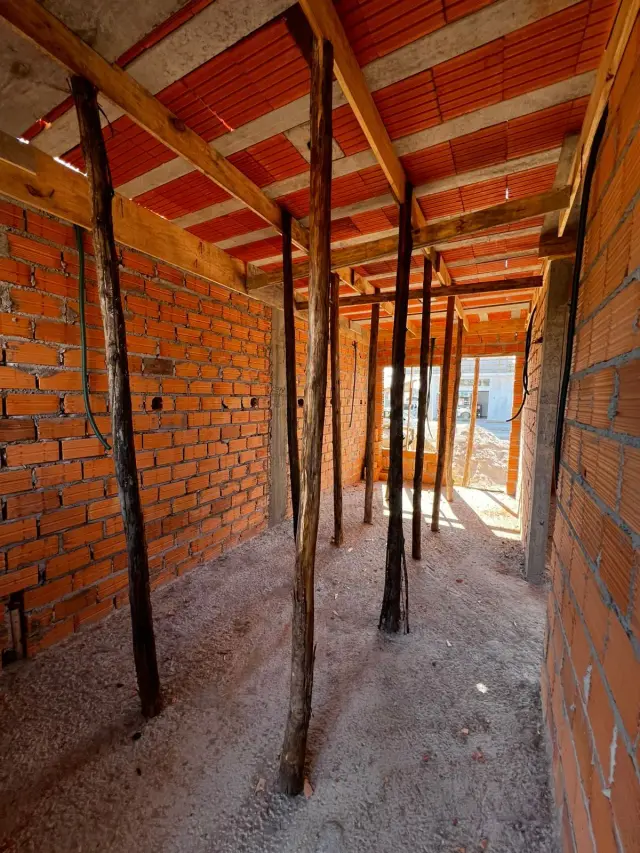
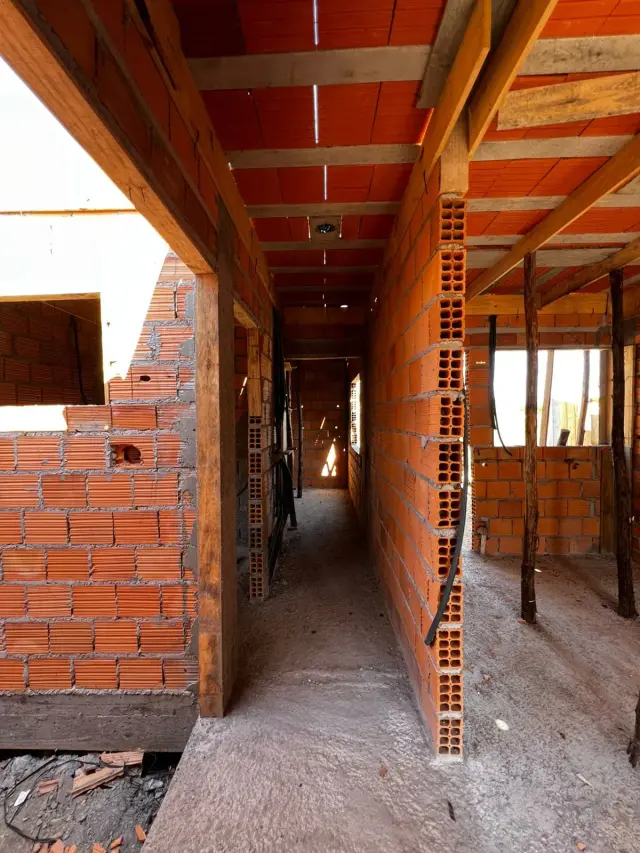
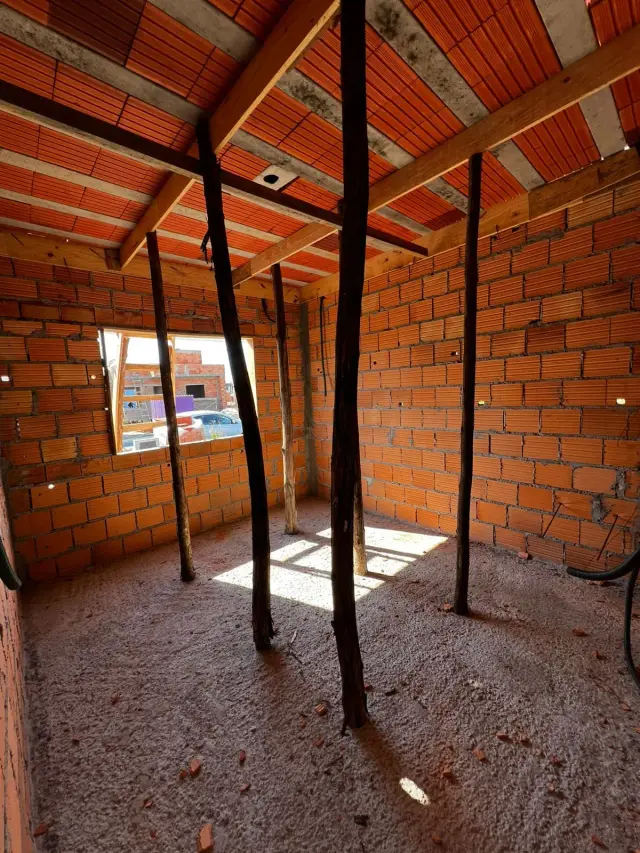
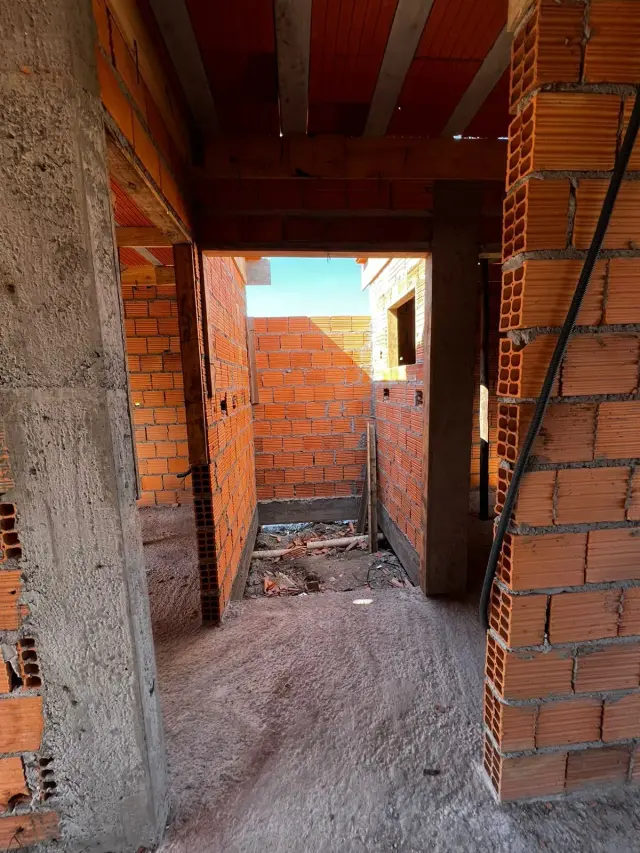
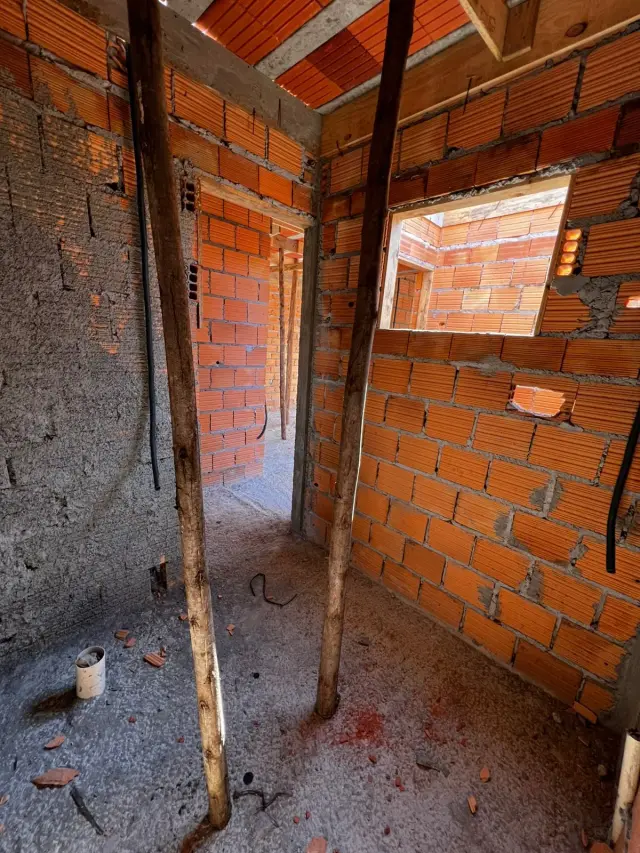
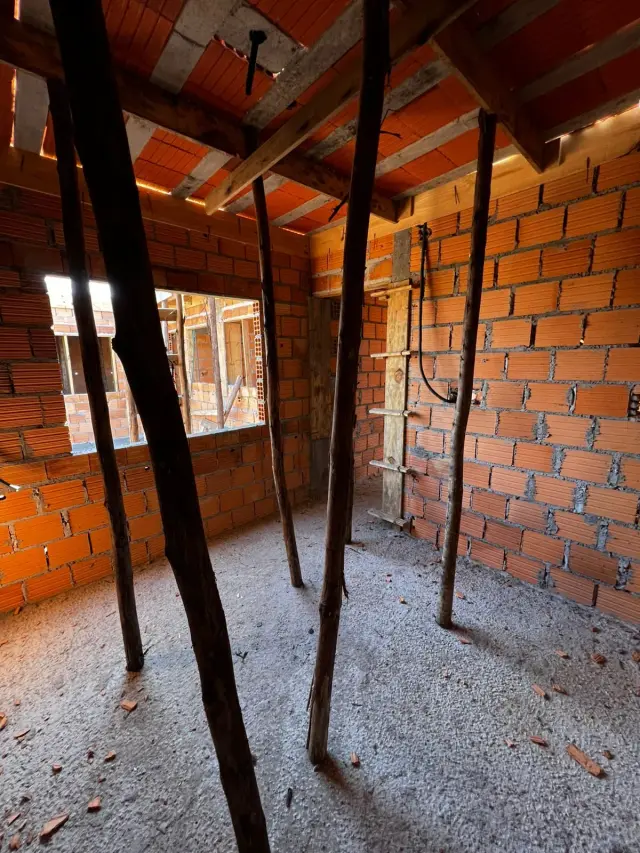
Área do Parceiro · Materiais por empreendimento
Casa Margarida
Capivari de Baixo — Vila Flor
Fotos 4
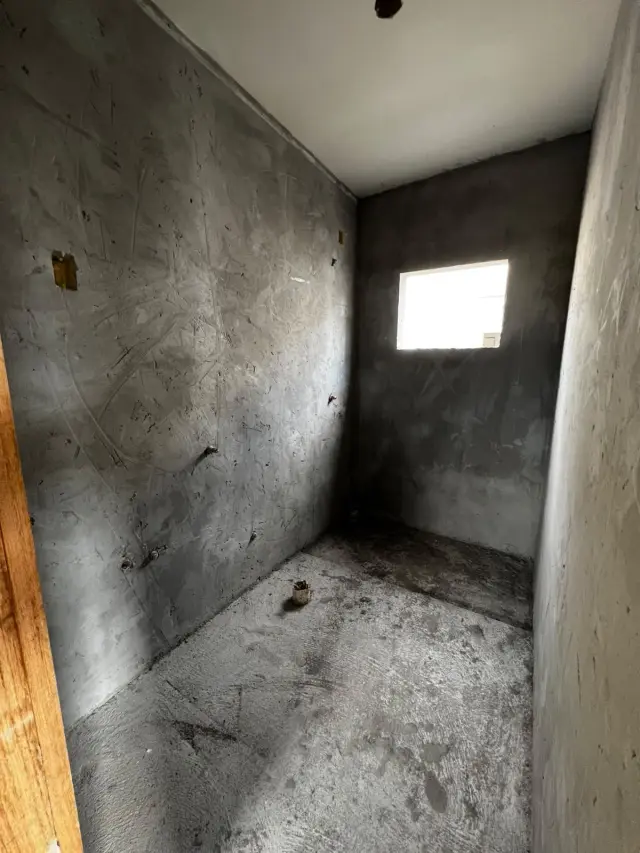
Área do Parceiro · Materiais por empreendimento
Sobrados Vale de Jasmin
Tubarão — Loteamento Silvestre
Renders 2
Render ilustrativoRender ilustrativoFotos 2
Plantas 2
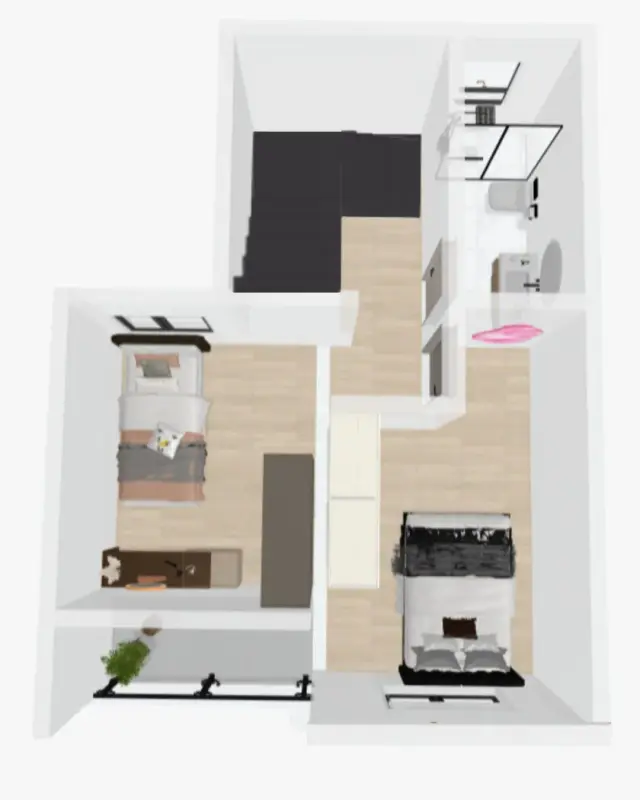 Planta ilustrativa
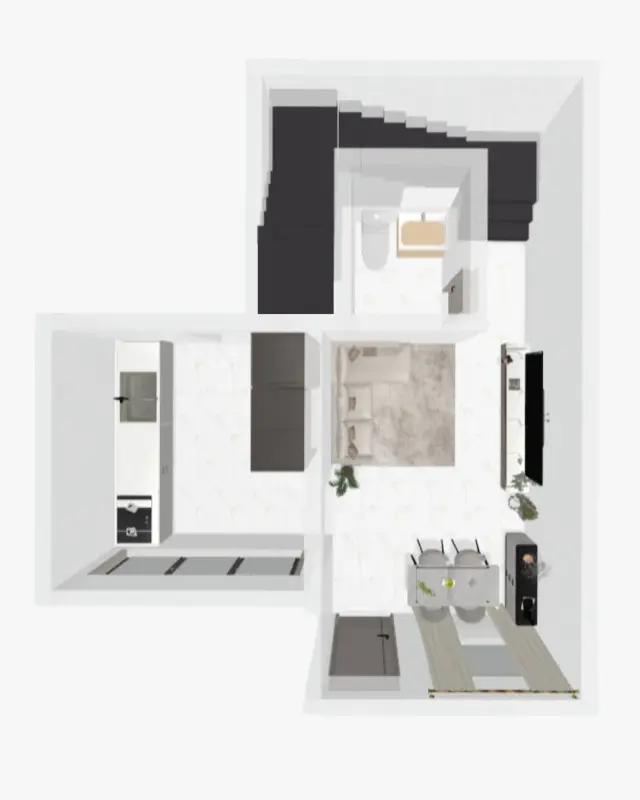 Planta ilustrativa
Pré-análise · gratuita
O que você quer resolver primeiro?
Escolha uma opção. É rápido, sem compromisso e sem consulta ao seu CPF — no fim, a conversa continua pelo WhatsApp com um consultor da 3 Lírios.
Escolha uma opção para continuar.
Intenção:
Conte um pouco sobre você
São poucas perguntas. Com elas o consultor já chega na conversa sabendo o seu momento. Campos com * são obrigatórios.
Pré-análise · resultado
Aqui vai a sua leitura
Baseada só no que você respondeu. Intenção: .
Quanto dá para pagar depende da renda, do FGTS e da linha de financiamento. O consultor confere se há FGTS ou outra forma de compor a entrada. A conta exata é feita na conversa.
Combinam com o que você procura
Leitura de referência, não é análise de crédito. As faixas oficiais do Minha Casa Minha Vida e o valor financiável são confirmados por um consultor. Dados dos imóveis são de demonstração.
Pré-análise · último passo
Confira e envie pelo WhatsApp
É isto que vai chegar para o consultor da 3 Lírios. Nada é enviado até você tocar no botão.
Day to day
September 29 to October 5, 2026 · 6 days
Fourteen requests with a record: cases, color, background, navigation, loading screen and this page.
Record of one request
A small request from October 4, 2026 shows the whole process: the Cases item in this site’s navigation. Pick a step to see its real record.
Step 01 of 10
WhoMe
I asked whether a "Cases" item in the navigation was worth it, with a panel of my cases, and pointed to a reference site.
Step 02 of 10
WhoExecutive Orchestrator
A medium task on an existing product. It chose the Lean path, planned four specialists and set a mandatory visual stop: the reference was shaping the direction.
On record
Step 03 of 10
WhoSystem, with an automated browser
Before offering an opinion, it opened the reference site and measured the panel, which opens on hover and becomes a text list on mobile.
On record
Step 04 of 10
WhoUX Architecture Lead
Recommended with adjustments and recorded the argument against: with three cases the gain is small, because the Home already shows them.
On record
Step 05 of 10
WhoUI Lead and Interaction Lead, in parallel
One specified the panel, the other the behavior with mouse, keyboard, touch and reduced motion. The two diverged on an 8 px gap, resolved without changing the look.
On record
Step 06 of 10Waiting for a decision
WhoMe
The system stopped before building and asked two questions: who builds it, and what a click on the item does. I answered "use the method you think is best" and "it only opens the panel".
Step 07 of 10
WhoSystem, no specialist
It built the panel and measured the result in the browser, at three widths. It tested mouse, keyboard and touch and checked contrast with a script.
On record
Step 08 of 10Waiting for a decision
WhoMe
I approved it with changes. The subtitles did not stand out and the titles were too heavy. The system rewrote the three subtitles and changed the title font.
Step 09 of 10
WhoQA and Release Lead
It redid the critical tests on its own. Approved with conditions, no serious defect, and declared what it did not test: touch on a real device, screen reader and other browsers. Cost passed the alert line and was recorded.
On record
Step 10 of 10Waiting for a decision
WhoMe
Nothing goes live without an explicit request. I asked for one last change to the menu order and wrote "you can publish". It was published and checked in production the same day.
On record
On the yellow steps, the system stopped and waited for my decision.
Cumulative cost of specialists
190,021 of 220,000 tokens
Tokens are the unit of AI usage. The ceiling is set before the work starts.
I write the request as I would for a team. An orchestrator agent always follows the same six steps and calls in only the specialists the request needs. The decisions listed at the top are mine; the system recognizes them and asks.
Checks sources and marks what it does not know.
Direct, Lean or Full, by size.
Only the ones needed, with minimal context.
Checks the budget before every call.
Scope, visual direction, budget and publishing wait for my answer.
QA verifies with evidence; only then does the delivery count.
Rule
The system recognizes the decision point, stops and presents the options. It never approves on its own.
Evidence
In the final test, 2 pauses for budget waited for real answers before work continued.
Rule
Each specialist gets only what the decision requires and records the reason if it reads more. It is not reliable yet: in tests, specialists read more than needed.
Evidence
Average cost per call had risen 79% when each specialist read the full instructions.
Rule
Before each call, it checks the budget; afterward, it records the real cost. At the ceiling, it stops and waits for a human decision.
Evidence
One cost test reached 117,244 tokens, 27,244 above its 90,000 ceiling.
Rule
Done requires three things together: the output, the verification and the evidence left behind.
Evidence
The auditor rejected the release candidate 3 times; the last one only for lack of a real test.
I designed and built the system for my own work. In use, scope, direction and publishing are my decisions.
Decisions I made
Requests, build history, routing, agents, toolkit and next steps. Open only what you want to check.
Another case
Navigation by theme, not by department, and the same structure in 3 towns.